Skip to content


Most people spend their lives managing circumstances.
They react, adjust, put out fires, and try to stay afloat.
That might keep things moving, but it rarely creates the life they actually want.
The real shift happens when you stop treating life like a list of problems to handle and start treating it like something you can design on purpose.
That is the heart of this framework. It is not about vague positivity or pretending life is easy. It is about changing the way you think, focus, act, and interpret challenge so you can move from survival mode into deliberate creation.
1. Stop managing life and start creating it
There is one question that changes everything: Are you creating your life, or just managing it?
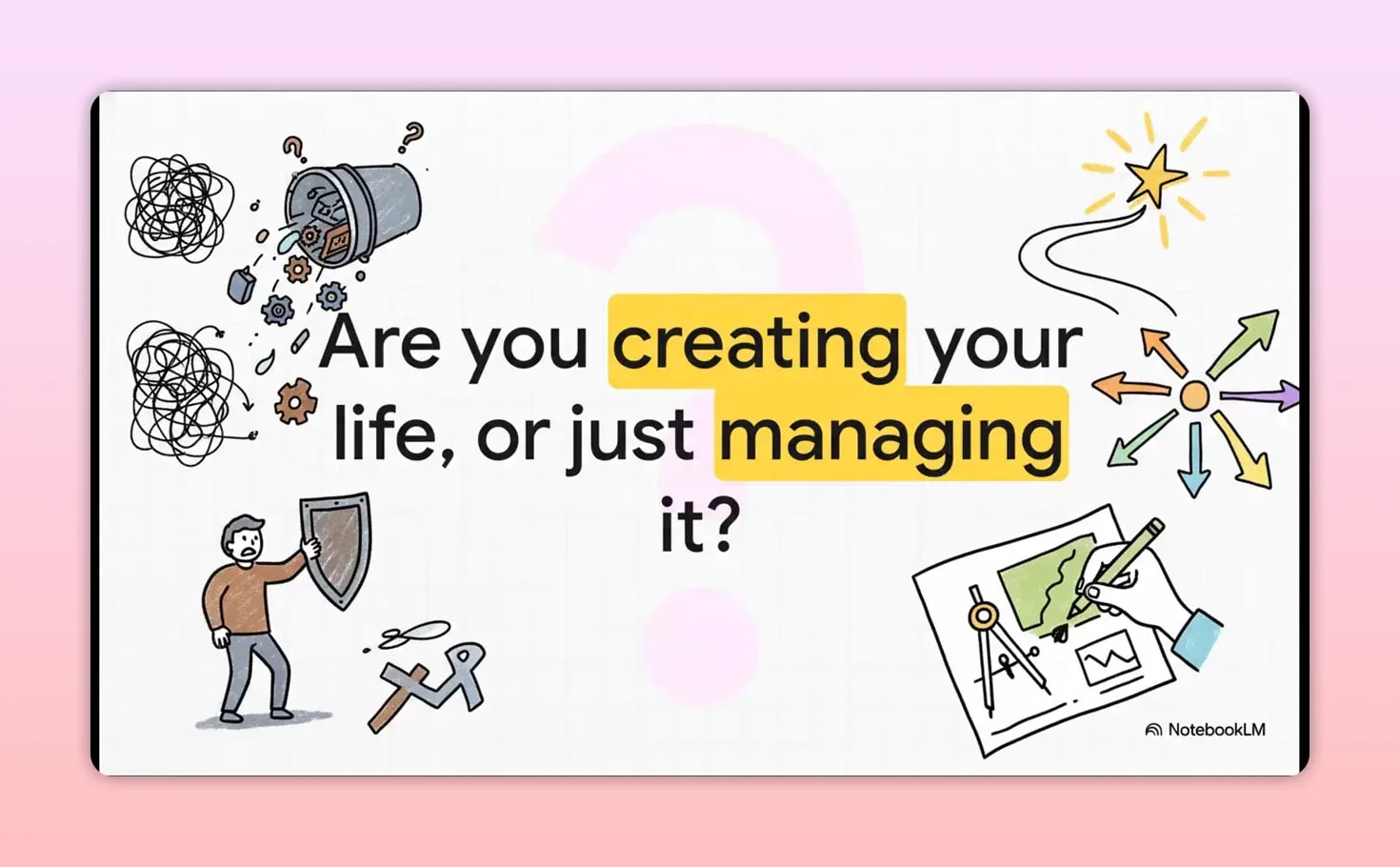
Managing is reactive. It is what happens when your energy goes toward maintenance, damage control, and trying to make it through the week.
Creating is different. Creating means you become the architect. You decide what matters, what you are building, and what direction your life is heading.
That distinction sounds simple, but it is foundational. If you live as a manager, your default setting is response. If you live as a creator, your default setting is design.
That is why total commitment matters so much. Think of the old idea of burning the boats after landing on shore. Once the escape route disappears, your energy stops splitting in ten directions. You are no longer negotiating with yourself. You are all in.
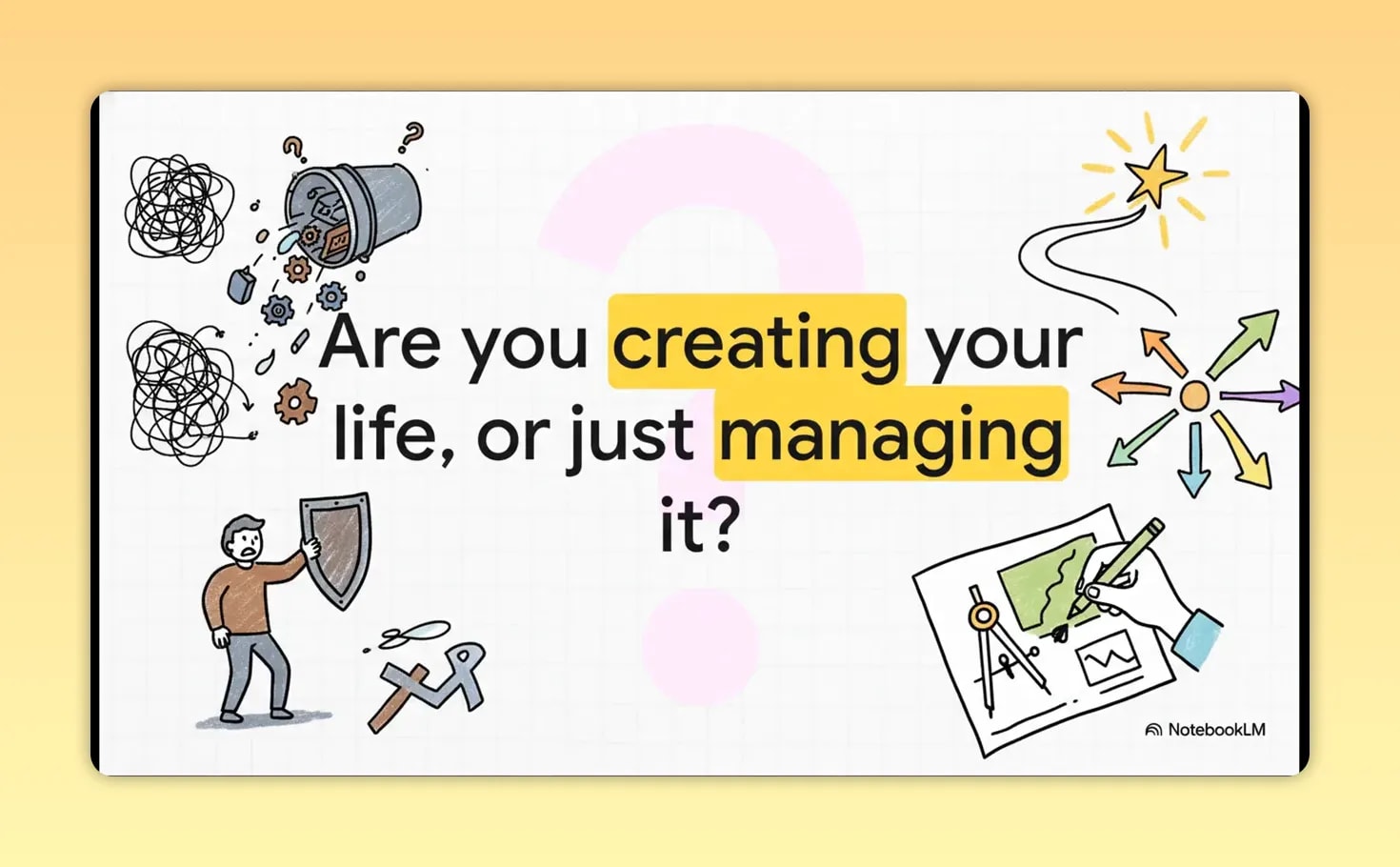
That kind of commitment sharpens the mind. It tells your nervous system that this matters. No drifting. No half effort. No keeping one foot out the door.
2. Your focus shapes the life you experience
Here is one of the most practical ideas in this whole framework: you do not experience life exactly as it is. You experience life through what your mind is trained to notice.
Your brain works a bit like a search engine. Ask it terrible questions, and it will return terrible answers.
Ask questions like:
- Why is everything going wrong?
- Why am I stuck?
- What is missing in my life?
and your mind will go hunting for evidence.
Ask better questions, and the results change:
- What opportunity is here?
- What can I learn from this?
- What can I do today that moves me forward?
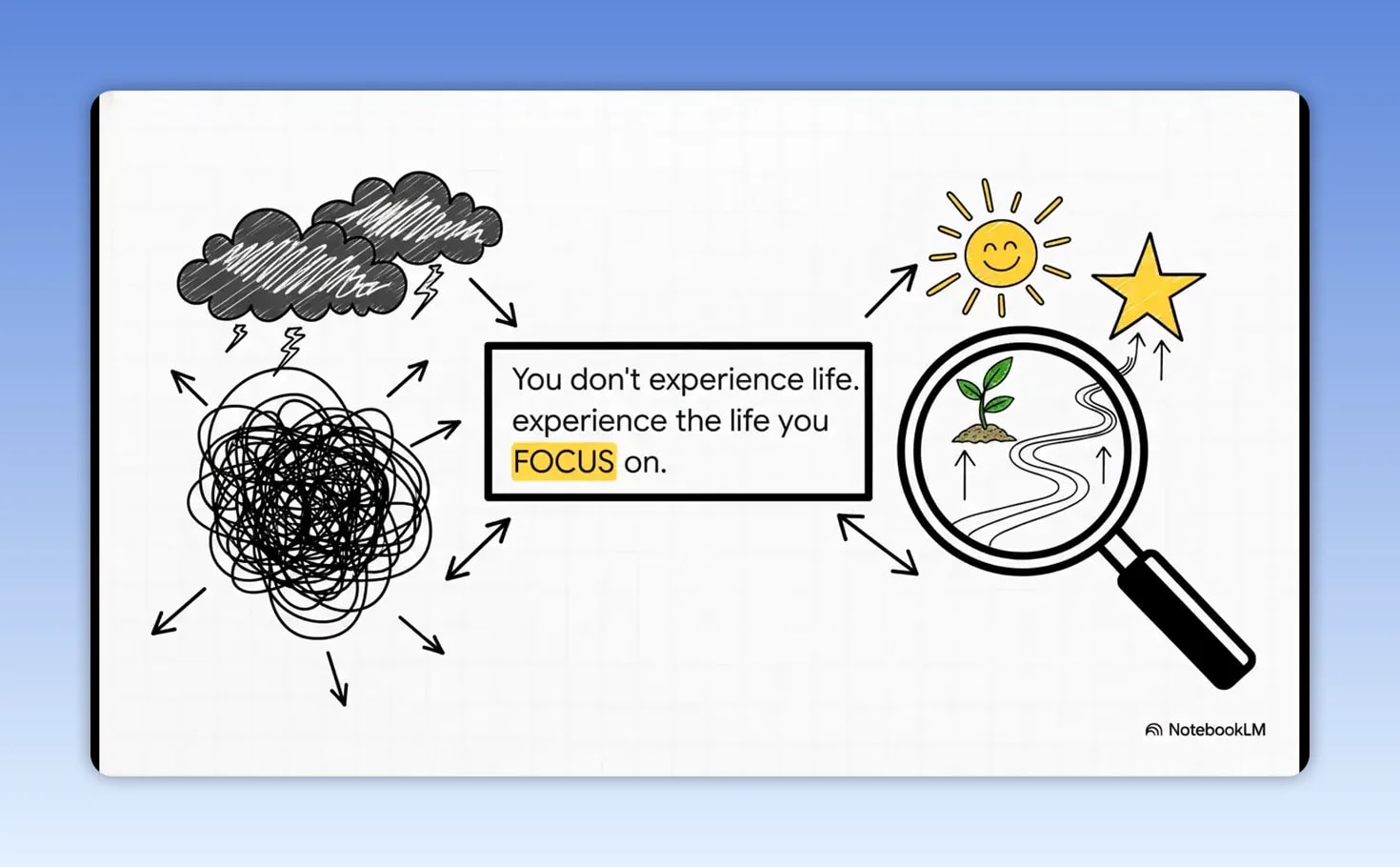
This is where a simple three step mental sequence becomes incredibly useful.
The three core decisions that run your inner world
At any moment, three things are happening:
- Focus: What are you paying attention to?
- Meaning: What interpretation are you giving it?
- Action: What does that state lead you to do next?
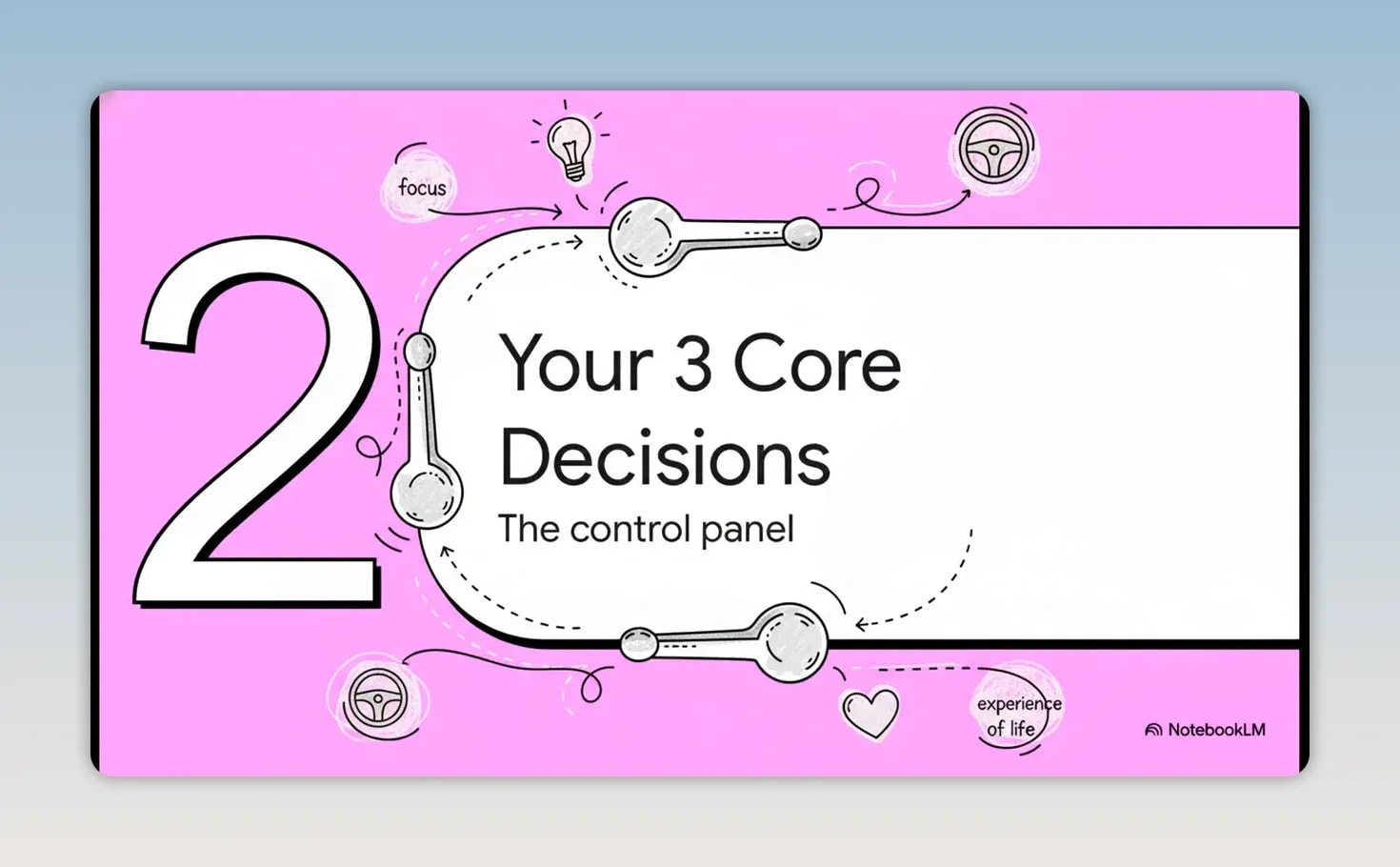
That middle step, meaning, is where life often turns.
A setback can mean failure, or it can mean feedback. A closed door can mean rejection, or it can mean redirection. The event may be the same, but the meaning changes the emotion, and the emotion changes the action.
Master this sequence and you gain real control over how you move through life. Not control over every event, of course, but control over the internal pattern that follows the event.
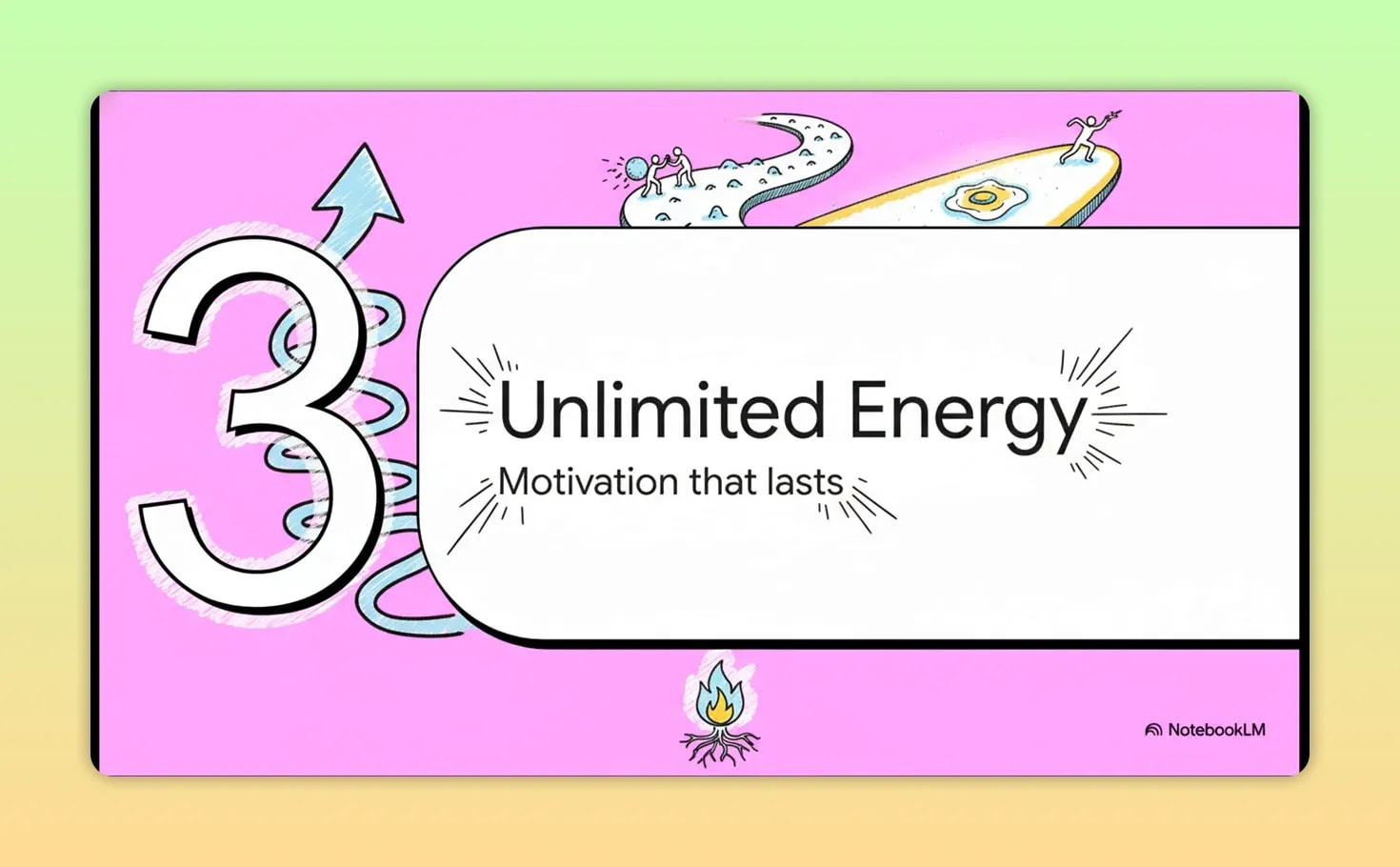
3. Unlimited energy comes from pull, not push
A lot of people think the answer is more discipline, more force, more grind.
Sometimes that helps for a while. But white knuckling your way forward is not a sustainable energy strategy.
The deeper source of momentum comes from motivation that pulls you forward.
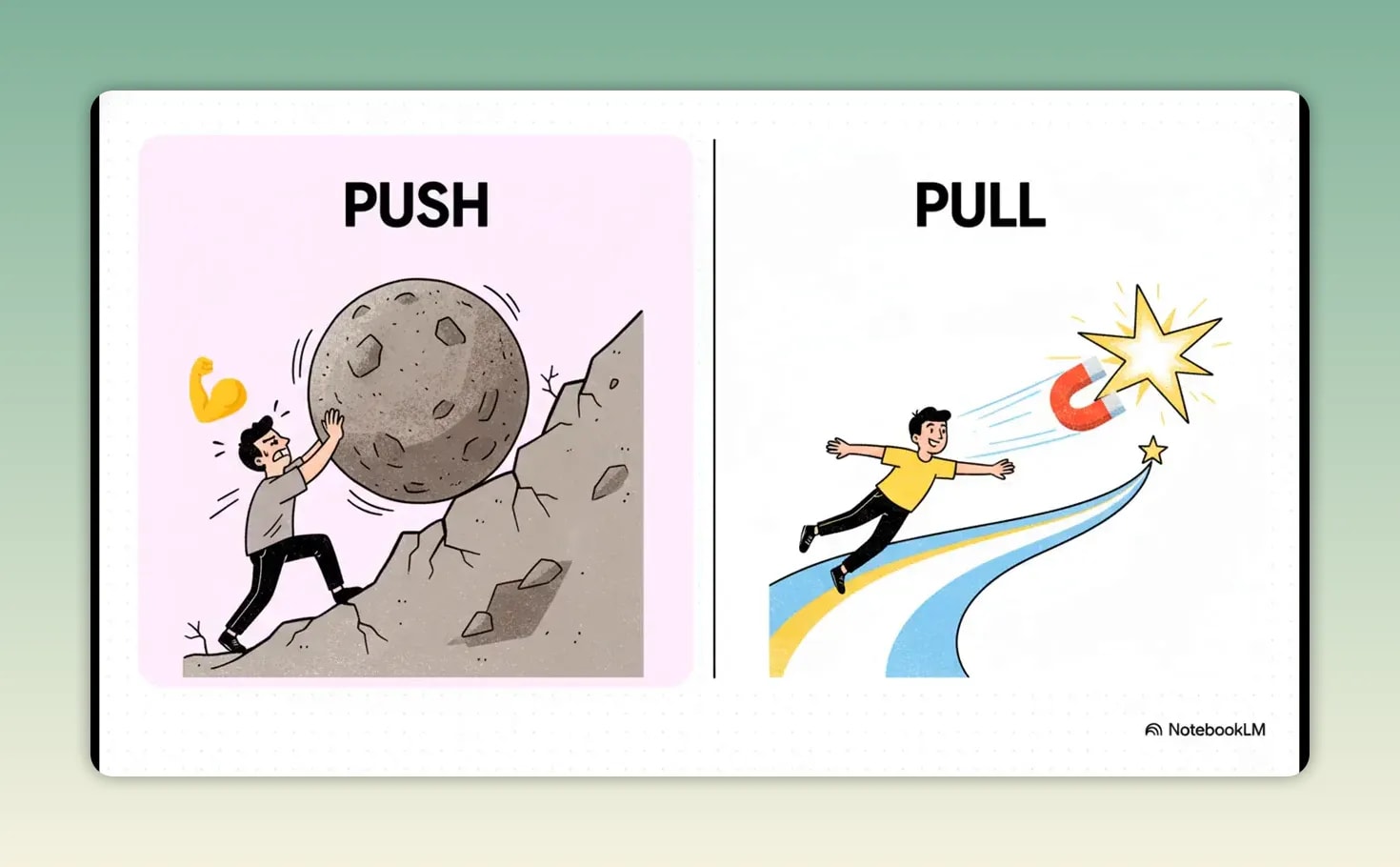
Push motivation is driven by pressure. You force yourself. You push the metaphorical boulder uphill. It takes constant effort, and eventually you get exhausted.
Pull motivation is driven by desire and meaning. Something ahead of you is powerful enough to draw you forward. That creates a very different kind of energy.
This is why people can be tired and still find energy for something they deeply care about. The body may be tired, but the mission is alive.
So what creates that pull?
Usually, it is finding something bigger than your own comfort. That might be:
- your family
- a cause you believe in
- a vision of the life you want to build
- creative work that feels deeply meaningful
- service that matters more than your fear
Once that happens, personal insecurity starts shrinking. Not because fear magically vanishes, but because fear is no longer the biggest thing in the room.
The mission gets bigger. The meaning gets bigger. And your energy expands with it.
Do You Want to Learn How To Earn an Additional Income?
Start Owning Your Life
4. Confidence is built through competence
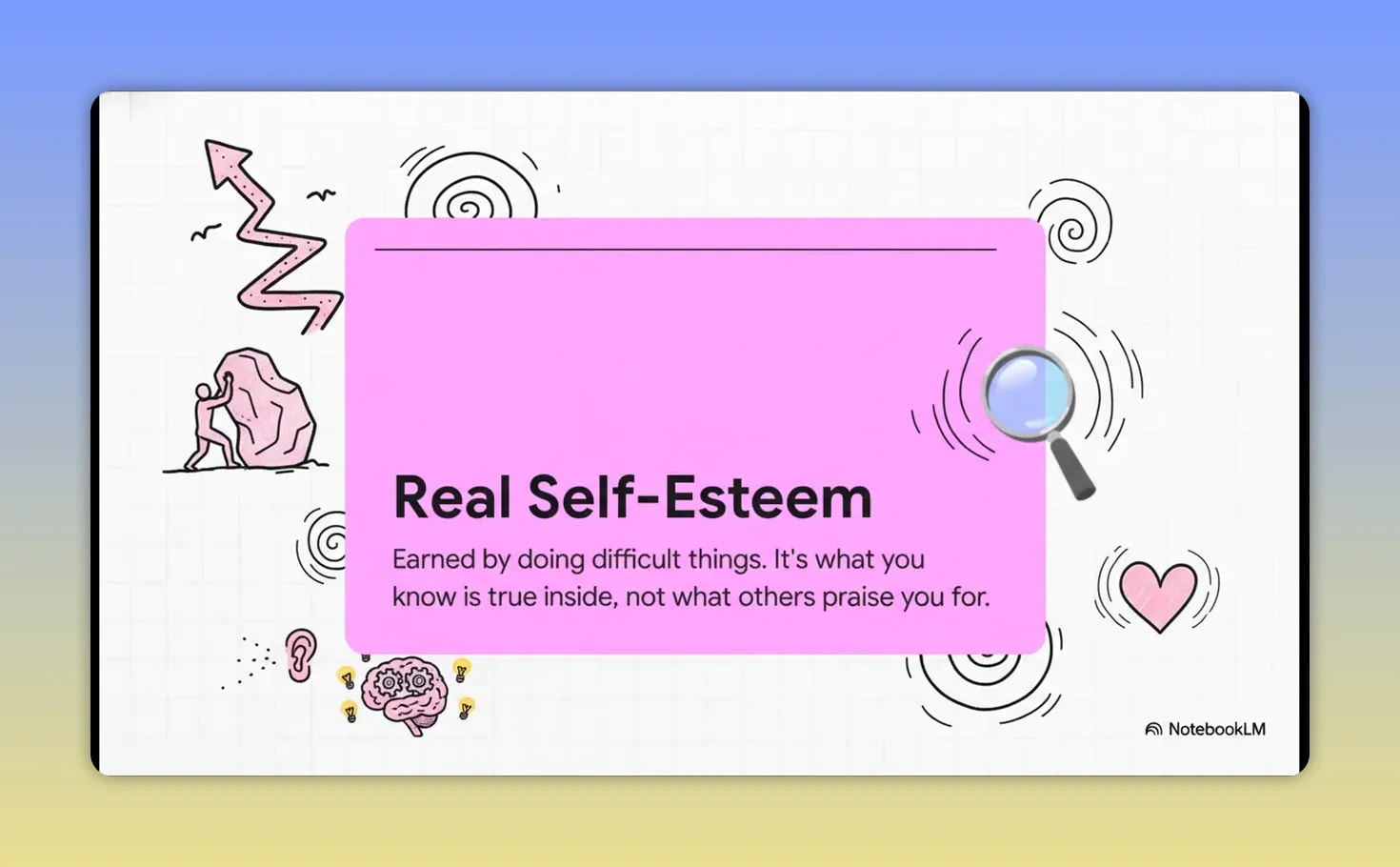
Here is a truth that people often resist: confidence is not something you talk yourself into.
Real confidence is earned.
It comes from doing the work, keeping your promises, and proving to yourself that you can be trusted.
That is why self esteem built only on praise is fragile. If your confidence depends on applause, criticism can knock it down just as fast.
But if your confidence is rooted in disciplined action, it gets much harder to shake.
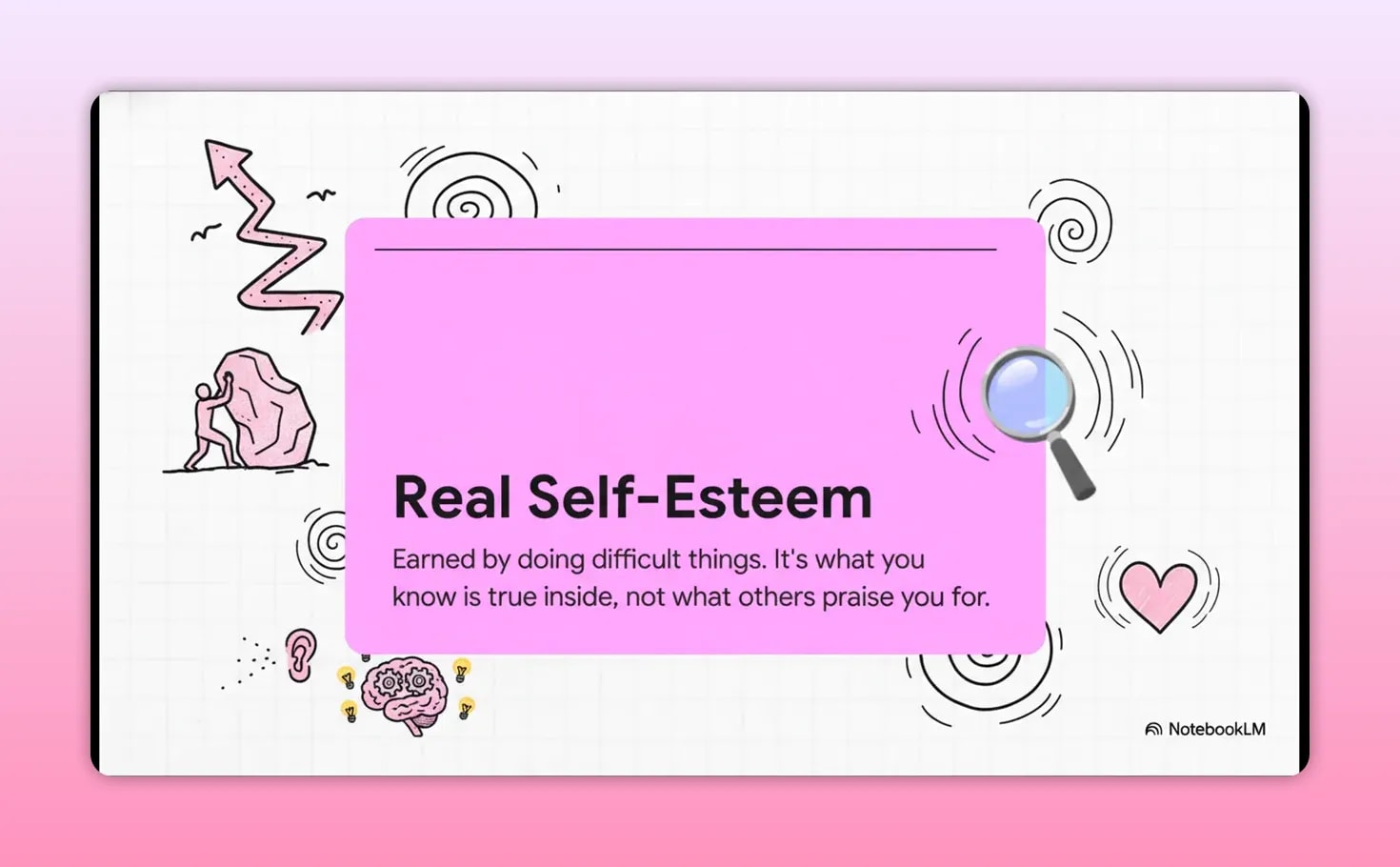
At the core of self esteem is one quiet question: Do I trust myself?
You build that trust every time you do what you said you would do, especially when nobody is around to praise you for it.
Why repetition creates certainty
A great example is Steph Curry.
People see the spectacular shots in games and assume they are watching confidence. What they are really seeing is competence expressed under pressure.
The visible performance sits on top of years of invisible repetition.
The example here is striking:
- around 500 practice shots a day
- about 3,500 shots a week
- roughly 2 million shots over time
When somebody has repeated the fundamentals that many times, performance starts to look effortless. But effortless is often just mastery wearing a calm face.
This principle applies far beyond sport. It applies to speaking, parenting, leadership, teaching, sales, writing, health, and business.
You are rewarded publicly for what you practise privately.

If you want more confidence, the path is not wishing for a stronger feeling. The path is building stronger evidence.
Competence first. Confidence follows.
5. Reframe adversity so it works for you
This may be the most powerful shift of all.
There are two ways to frame hardship:
- Life happens to me
- Life happens for me
The first frame puts you in the role of victim. The second puts you in the role of participant, learner, and ultimately hero of your own story.
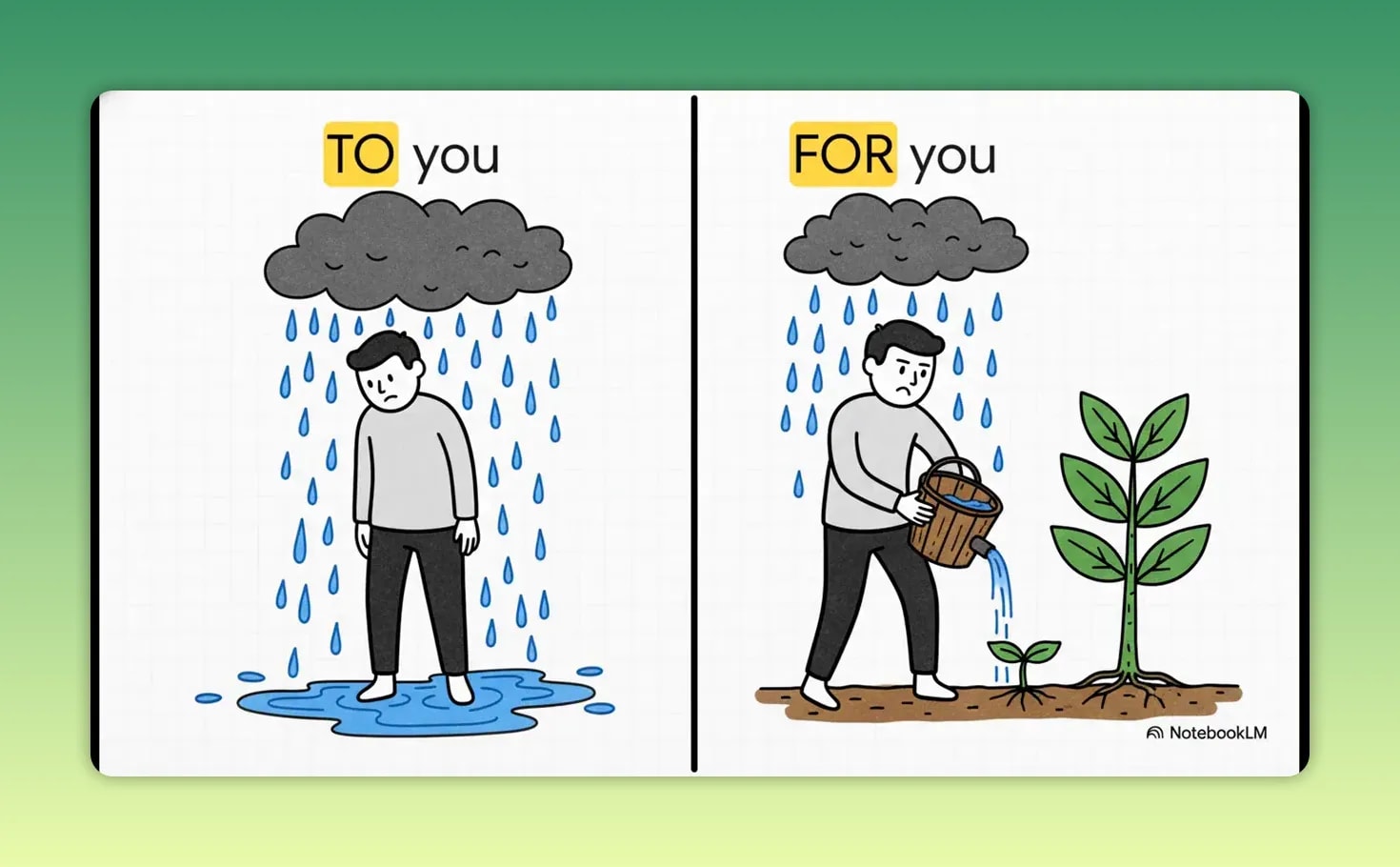
That does not mean pain is pleasant. It does not mean loss is easy. It does not mean every hardship should be romanticised.
It means challenge can be interpreted as something that shapes you rather than something that only punishes you.
Psychology has a term for this kind of transformation: post-traumatic growth. It refers to the very real way people can emerge from struggle with greater strength, clarity, compassion, or purpose.
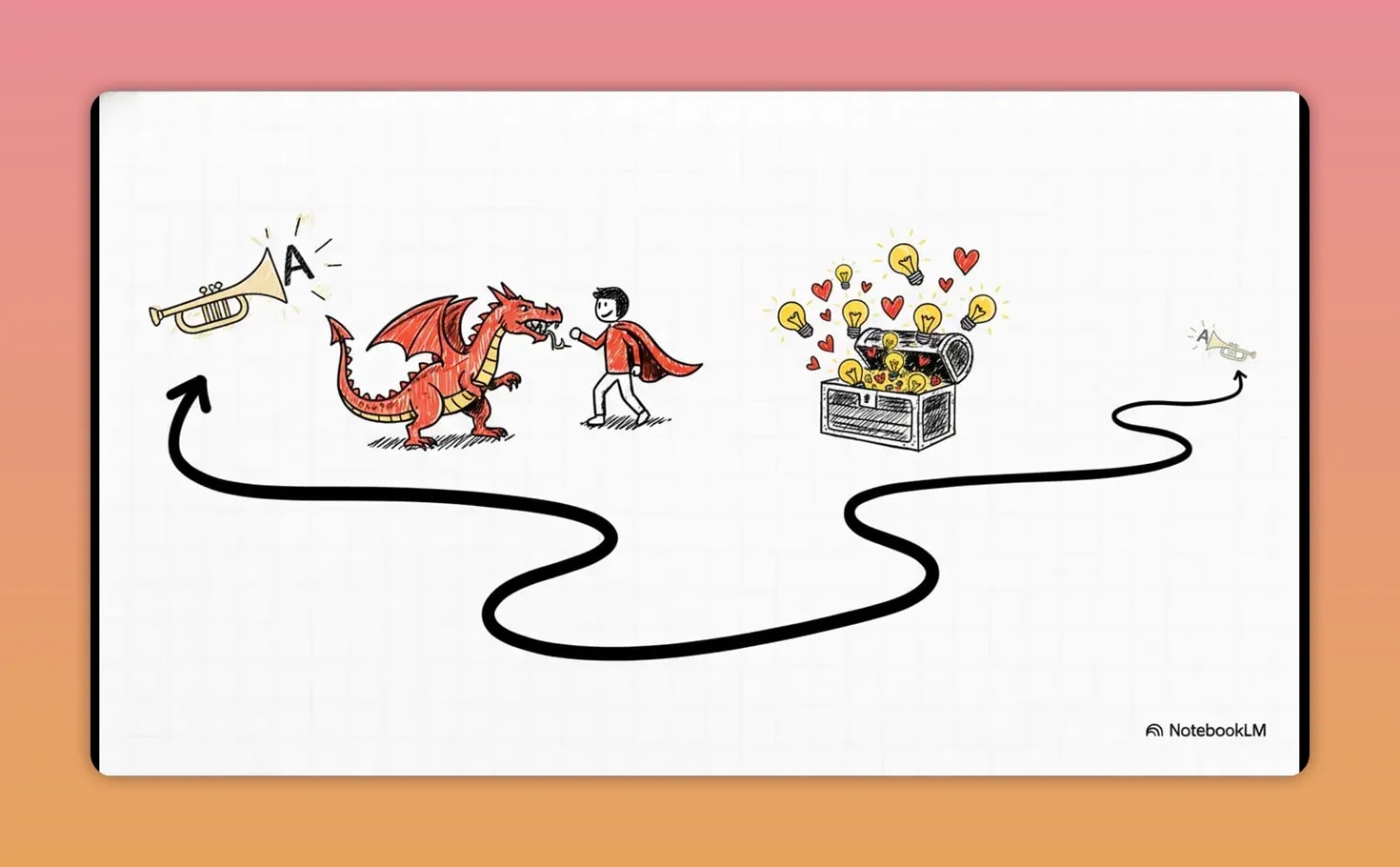
In that sense, adversity becomes a call to adventure.
You face the dragon, internal or external. You go through the difficulty. And on the other side, if you are willing to learn from it, there is often treasure there:
- wisdom
- resilience
- empathy
- strength
- a story that can help someone else
The question worth asking about your hardest season
Think back to the most difficult season of your life.
You probably would not choose to relive it. Most people would not.
But look at what it formed in you.
Did it make you stronger?
Did it make you more compassionate?
Did it make you less naive, more grounded, more resilient, or more determined to live differently?
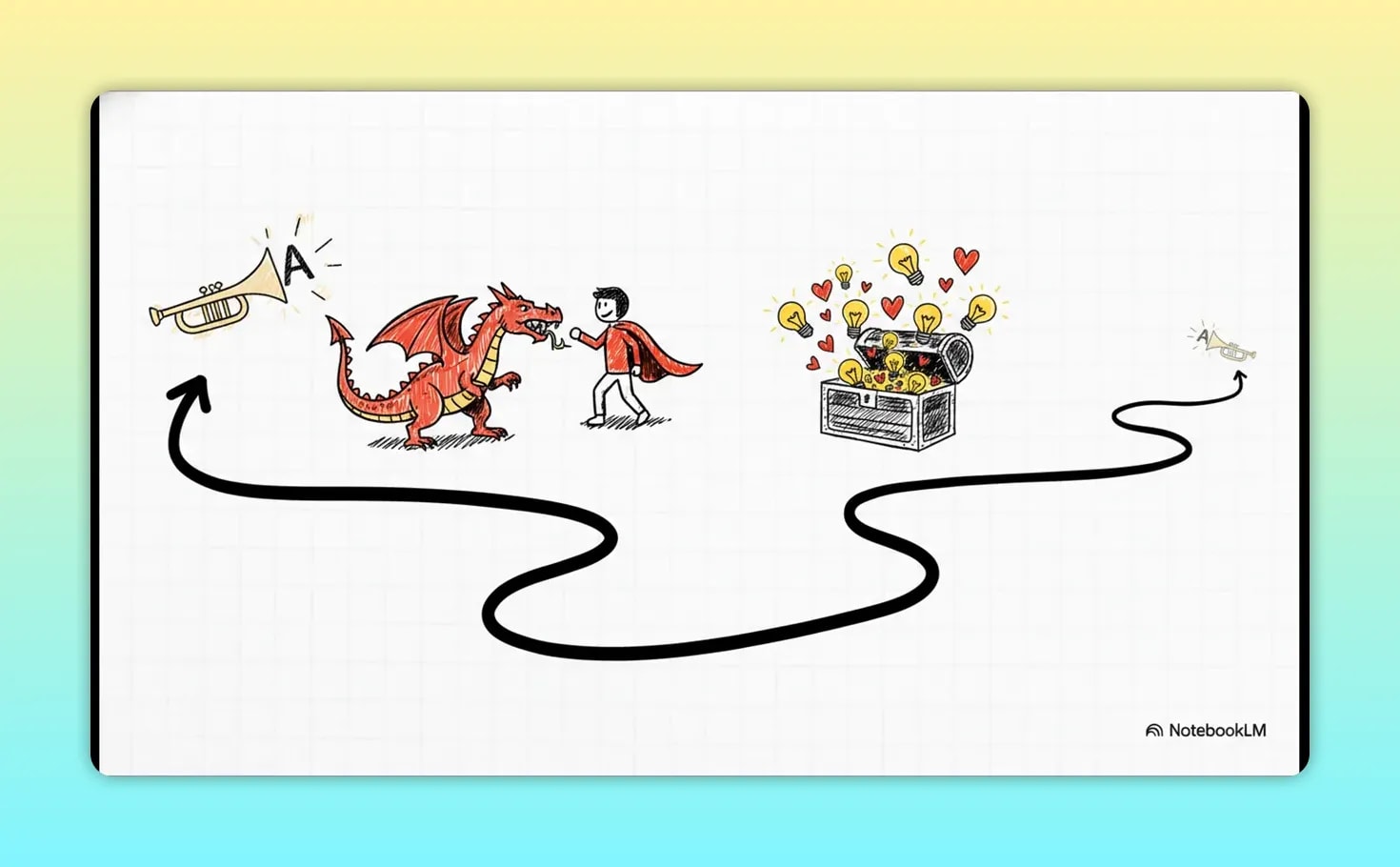
That reflection matters, because it reveals something powerful: life may have been shaping you even when it felt like it was breaking you.
What owning your life really looks like
If you want a practical way to apply this framework, keep it simple.
- Choose creation over reaction. Decide what you are building instead of only responding to what is urgent.
- Direct your focus. Ask better questions so your mind starts finding better answers.
- Find your pull. Connect your effort to something that matters more than comfort.
- Build competence. Keep promises to yourself and stack quiet repetitions.
- Reframe adversity. Look for the strength, lesson, or calling hidden inside the struggle.
That is how you stop merely surviving and start owning your life.
Not all at once. Not through magic. Through mindset, focus, action, and meaning repeated over time.
And if you want more background on the psychology of focus and attention, attention control research is a useful place to explore how mental focus shapes daily experience and behaviour.
The life you want rarely appears by accident.
It gets created, one decision at a time.

Ready to Unlock Your Ultimate Potential—and an Additional Income?
Sign up today to instantly receive the first four chapters of our Biohack Your Life™ to “Own Your Life” ebook for free!
True biohacking isn’t just about optimizing your body and mind; it’s about claiming total autonomy over your time and your finances. If you're ready to boost your daily energy, sharpen your focus, and discover how to build an additional income, it’s time to take control.