Skip to content


What if the whole idea of success has been upside down from the start?
Most people are taught to chase it. Run harder. Push more. Hunt for the next promotion, the next deal, the next breakthrough. Success gets treated like a finish line somewhere out in the distance.
Jim Rohn challenged that thinking completely. His idea was simple, but powerful: success is not something you pursue. It is something you attract by the person you become.
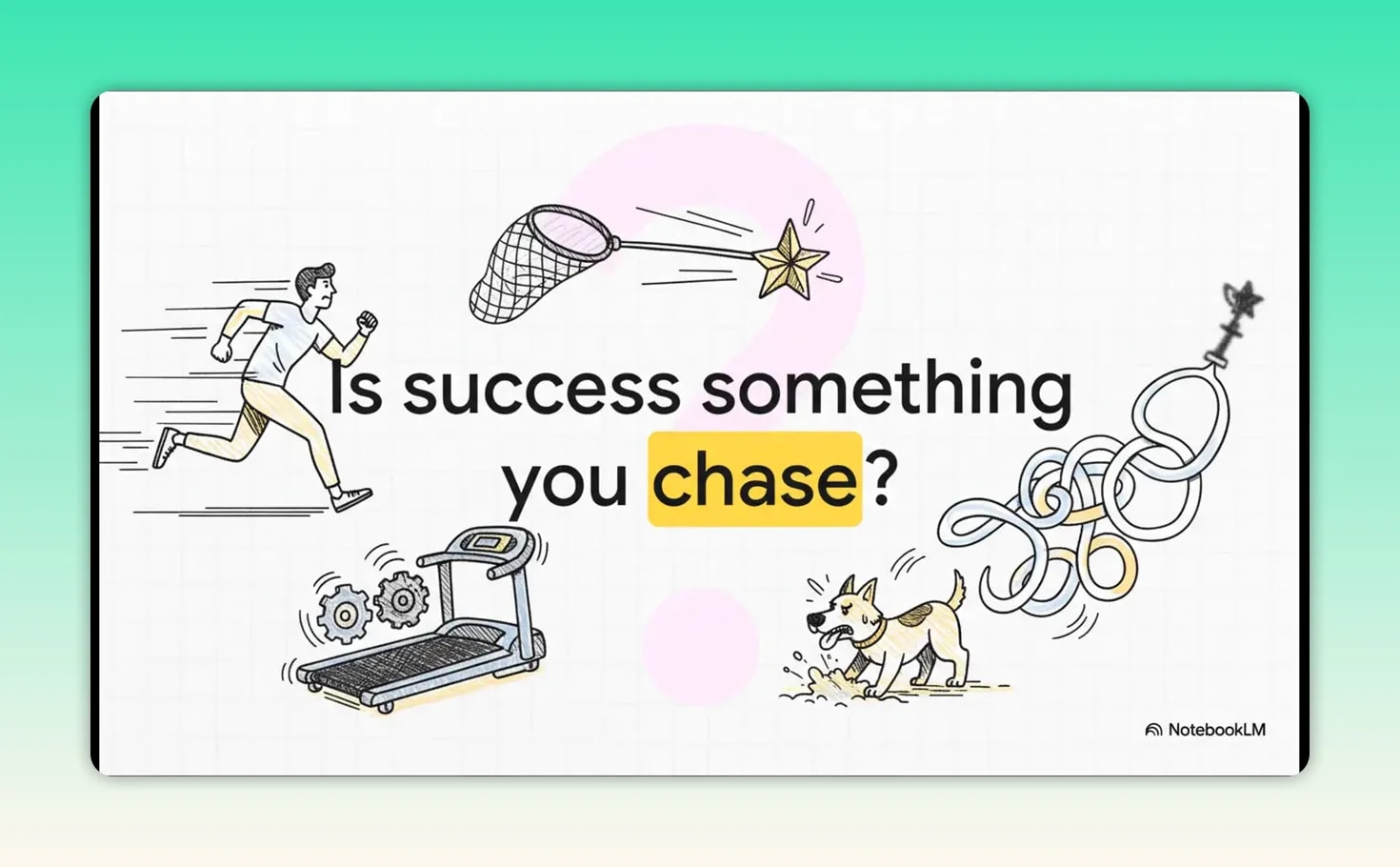
That changes everything. Instead of exhausting yourself chasing outcomes, you focus on building character, habits, skills, and perspective. Opportunity starts to respond to who you are becoming.
If you want to understand personal development through a practical lens, this is one of the clearest frameworks out there.
Success starts on the inside
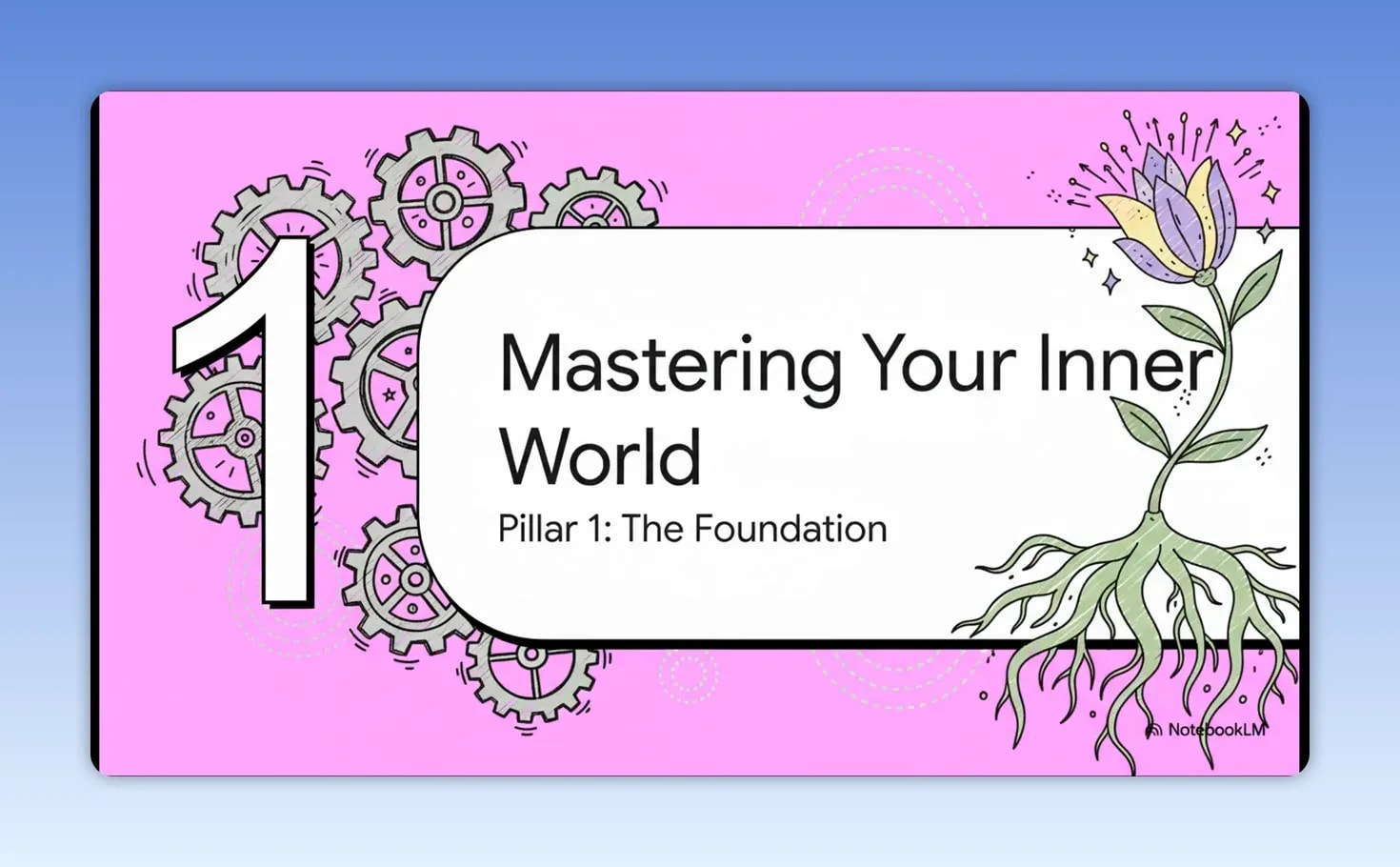
Before anything changes on the outside, something has to change within. Rohn’s philosophy begins with your inner world because that is where behaviour, standards, and decisions are formed.
You do not become a magnet for better results by wishing harder. You become one by strengthening the foundation those results sit on.
Take full responsibility
This is the cornerstone.
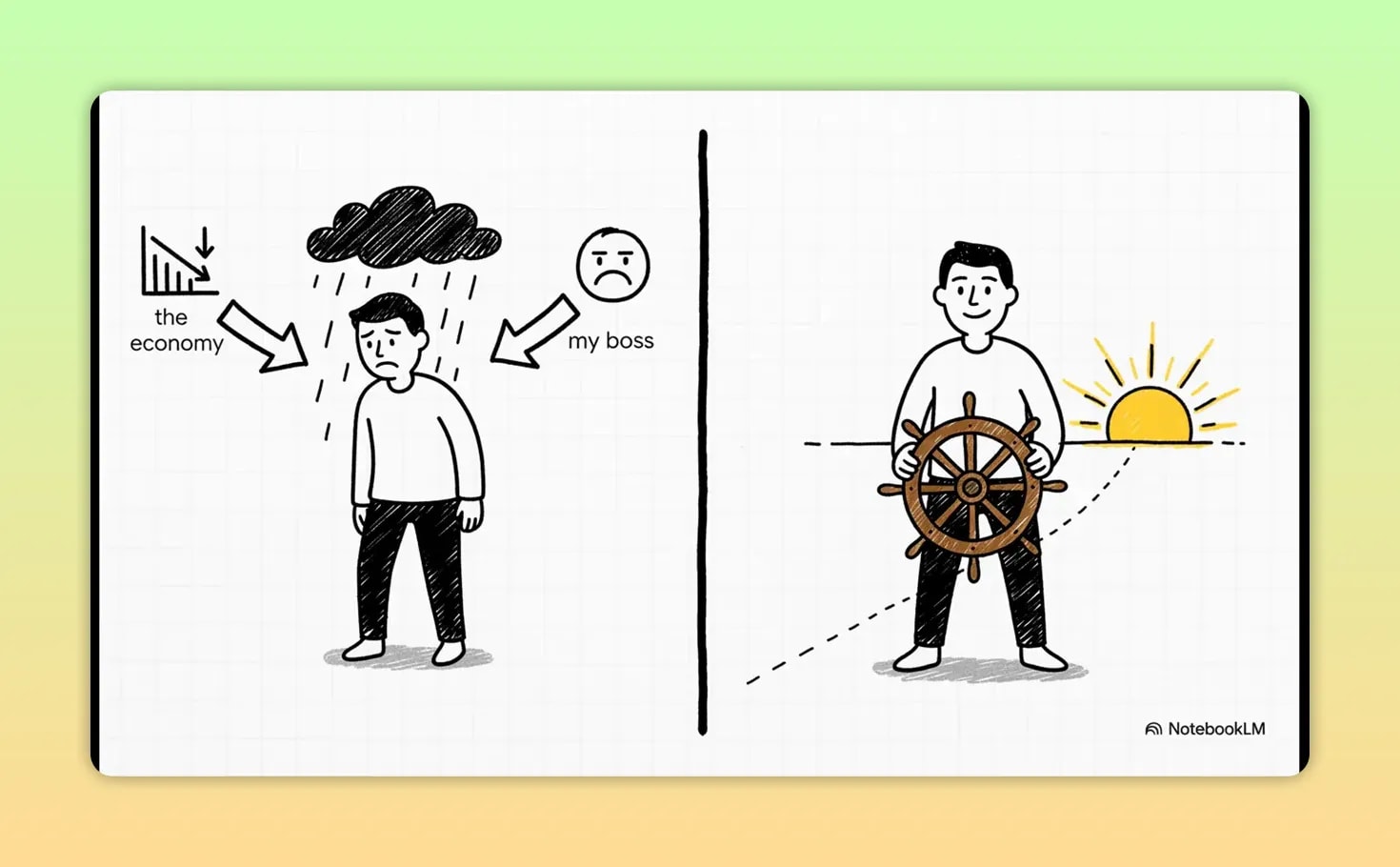
The moment you stop blaming your boss, the economy, bad timing, your upbringing, or your current situation, you get your power back. That does not mean life is always fair. It means your next move still belongs to you.
Rohn’s point was that responsibility is not a burden. It is control. If everything is somebody else’s fault, then your future is always in somebody else’s hands. If you own your response, your habits, and your standards, you are back in the driver’s seat.
Guard your mind like a garden
One of the best images in this philosophy is the garden metaphor.
Your mind is like a garden. Negative thoughts, fear, insecurity, and doubt will show up. That part is normal. You cannot prevent every weed from appearing. What you can control is what you feed.
If you keep watering resentment, panic, comparison, and self-doubt, those things grow. If you feed confidence, gratitude, optimism, discipline, and belief, those start taking over instead.
This is not pretending problems do not exist. It is deciding which thoughts deserve your energy.
Your future is shaped by your response
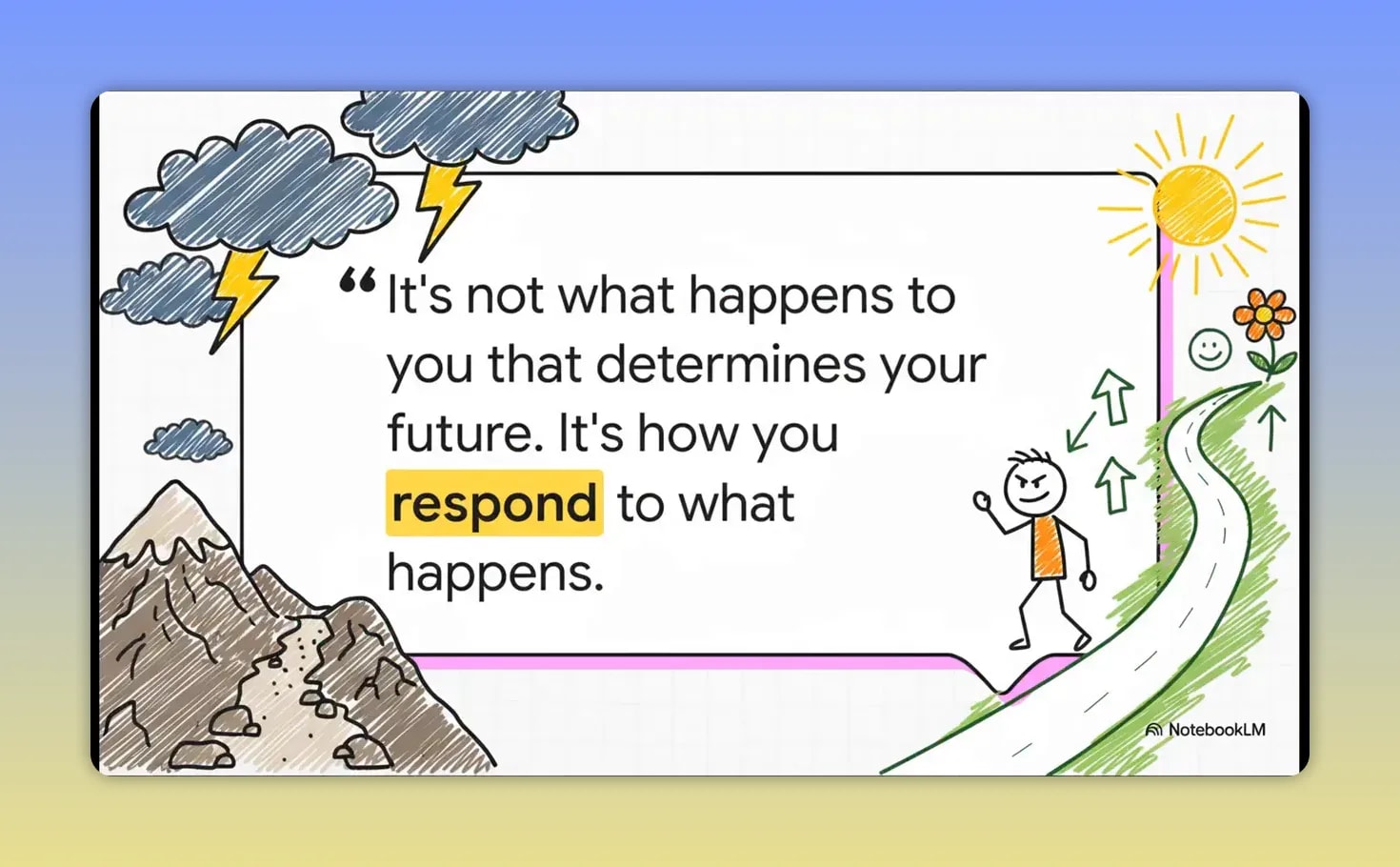
Challenges are universal. Nobody gets a life with zero setbacks. The difference is not what happens. The difference is what you do next.
That is why perspective matters so much. A hard moment can become an excuse, or it can become a turning point. The event may be the same, but the interpretation changes everything that follows.
For extra context on how mindset affects performance and resilience, the American Psychological Association’s overview of resilience is a helpful companion read.
The shoe salesman story and the power of perspective
Rohn often used a simple story to make this point unforgettable.
Two shoe salesmen are sent to the same remote country. The first sees disaster because nobody wears shoes. The second sees possibility because everybody needs them.
Same facts. Totally different conclusion.
That is perspective in action. One mindset sees emptiness. The other sees opportunity. If you want to attract success, that shift matters because opportunity usually hides inside situations that look inconvenient at first glance.
Turn inner growth into actual accomplishment
A strong mindset matters, but it cannot stay abstract. Inner growth has to become action. That is where goals, discipline, and consistency come in.
Build goals that are actually yours
Not every goal deserves your life’s energy.
Rohn’s view was that goals need to be personal, not borrowed. If your goals are based on pressure, comparison, or somebody else’s definition of success, it becomes hard to stay committed. Real motivation comes when the goal is genuinely yours.
Once you have that clarity, write it down. Writing a goal makes it concrete. It gives shape to what was vague. It tells your mind this is no longer just a passing wish.
But even that is not enough by itself. A written goal only starts to matter when it is translated into action.
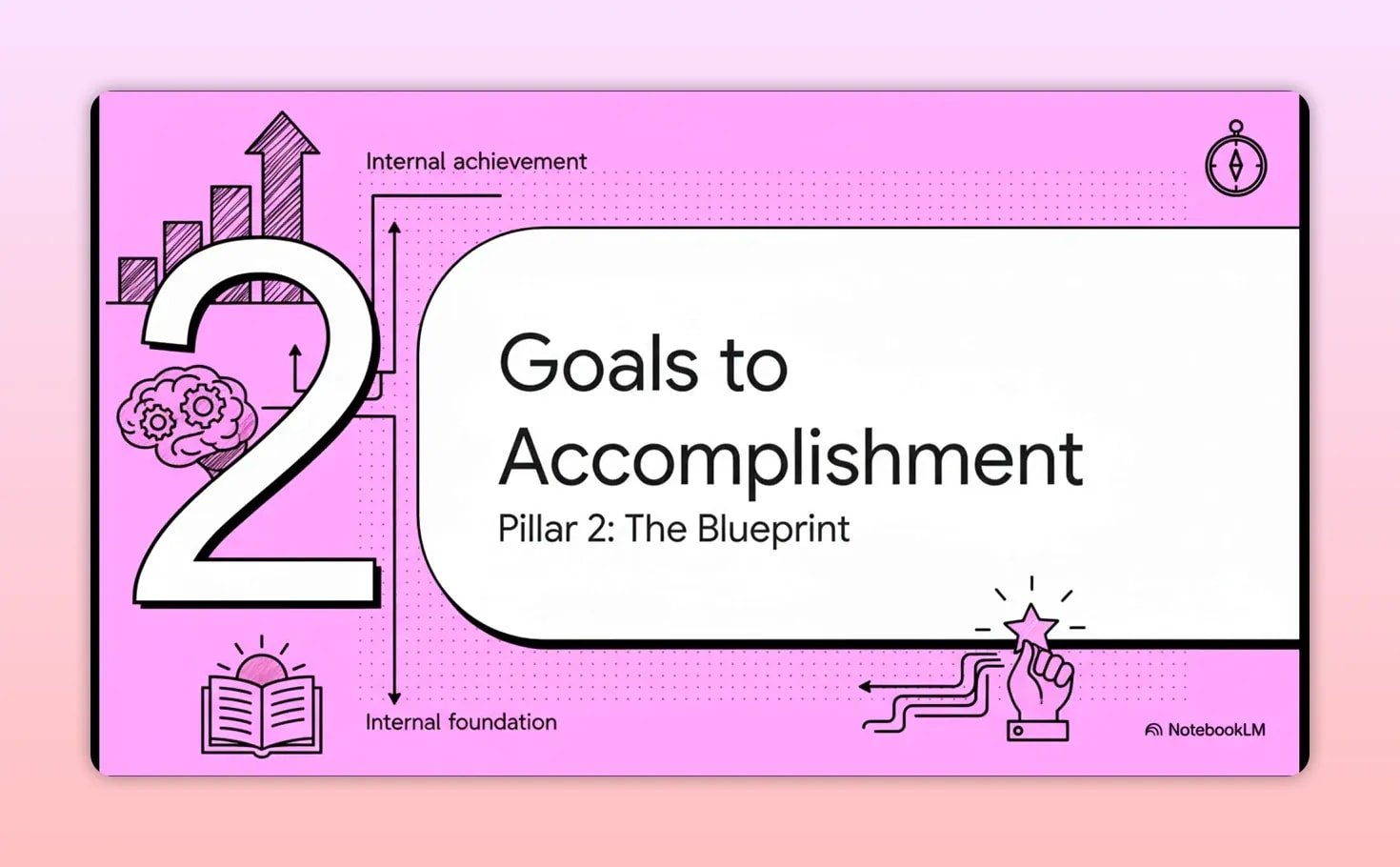
A practical version looks like this:
- Define it clearly: know what you want and why it matters.
- Write it down: turn intention into something visible.
- Break it into daily action: give it a rhythm you can follow.
That is how dreams stop floating around as ideas and start becoming results.
Discipline is not punishment
This is one of Rohn’s most useful reframes.
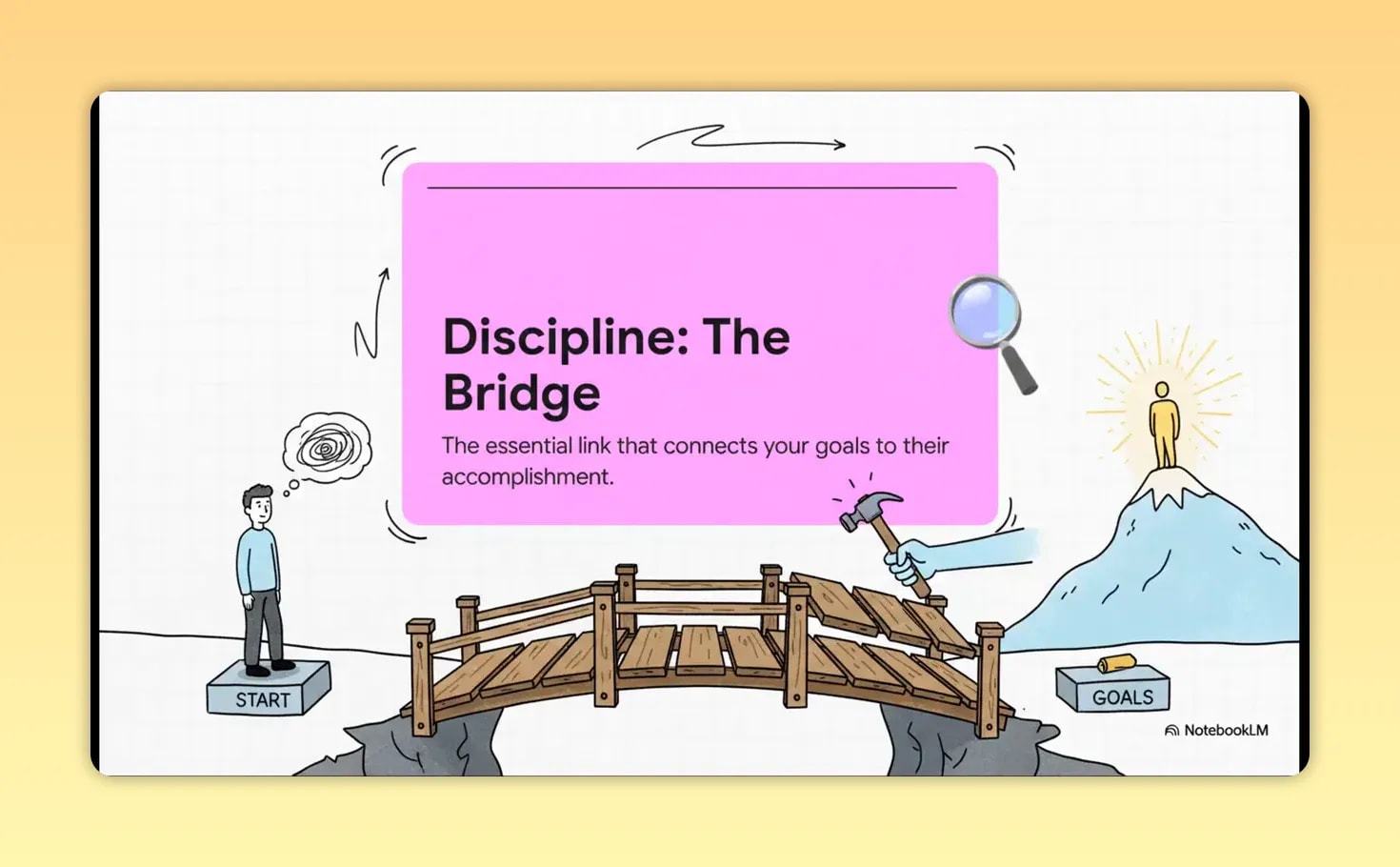
Discipline is often treated like misery, restriction, or self-punishment. He saw it differently. Discipline is the bridge between where you are and where you want to go.
Every small disciplined act adds another plank to that bridge. One early morning. One page read. One sales call. One workout. One paragraph written. One expense tracked. One difficult conversation handled properly.
Each act seems small in isolation. Together, they carry you across the gap between intention and accomplishment.
Do You Want to Learn How To Earn an Additional Income?
Start Owning Your Life
Think one brick, not the whole fortress
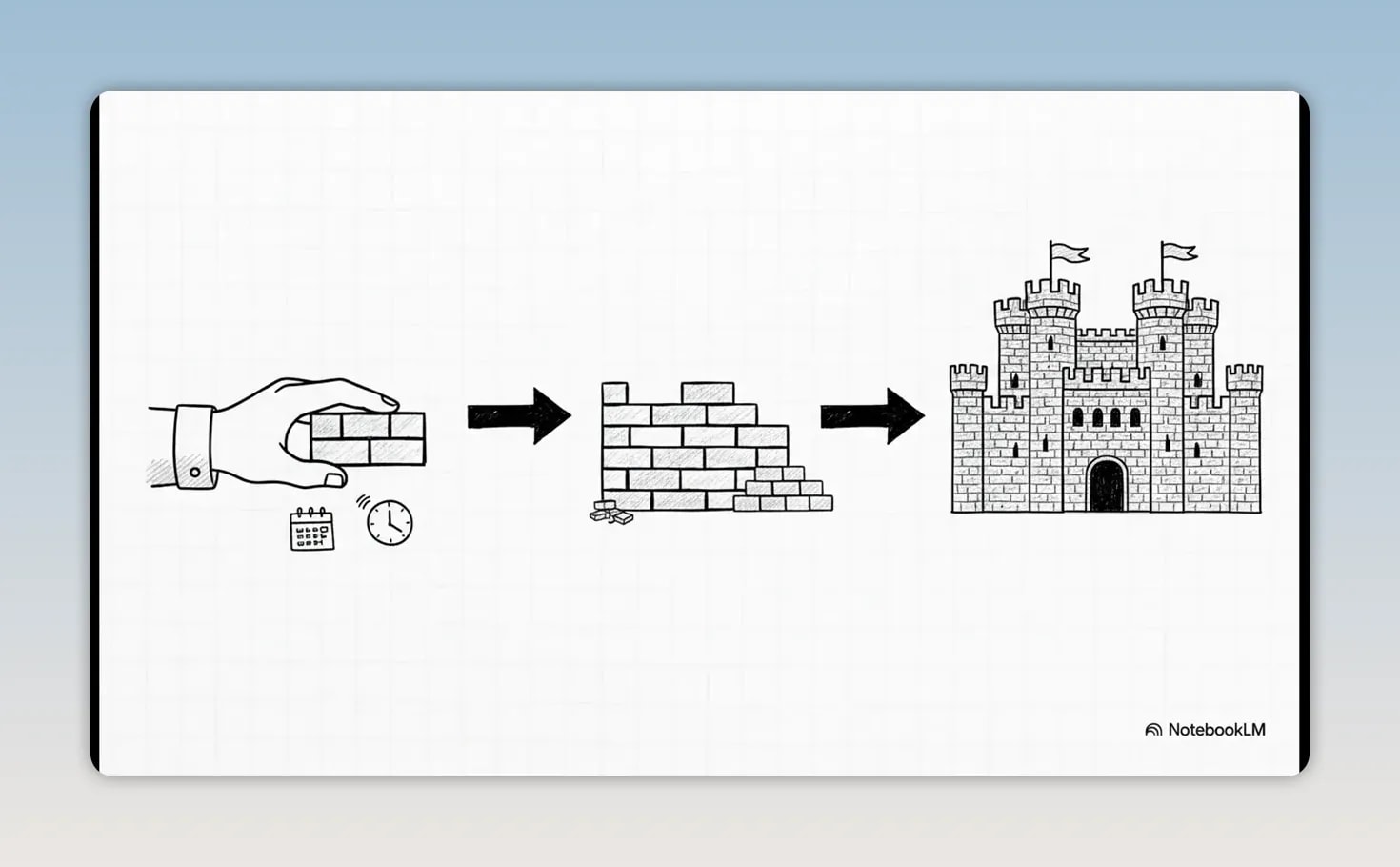
Big futures can feel overwhelming because people try to mentally construct the entire castle at once.
Rohn simplified that beautifully. You do not build the whole fortress today. You place one brick.
That one brick might be:
- reading ten pages
- making one prospecting call
- saving a small amount of money
- writing one section of a project
- learning one new skill
The magic is in consistency. Small actions repeated long enough start compounding. If you are interested in the mathematics behind this kind of incremental improvement, the idea of marginal gains is a useful related concept.
Persistence is the price many people refuse to pay
Mindset and discipline are essential, but there is still another ingredient that separates people who finish from people who almost did.
Persistence.
The example used here is Colonel Sanders. At 65, while living on Social Security, he set out to get restaurants to buy his chicken recipe. He was rejected again and again and again.
Not ten times. Not a hundred times.
He kept going through 1,009 rejections before hearing yes.
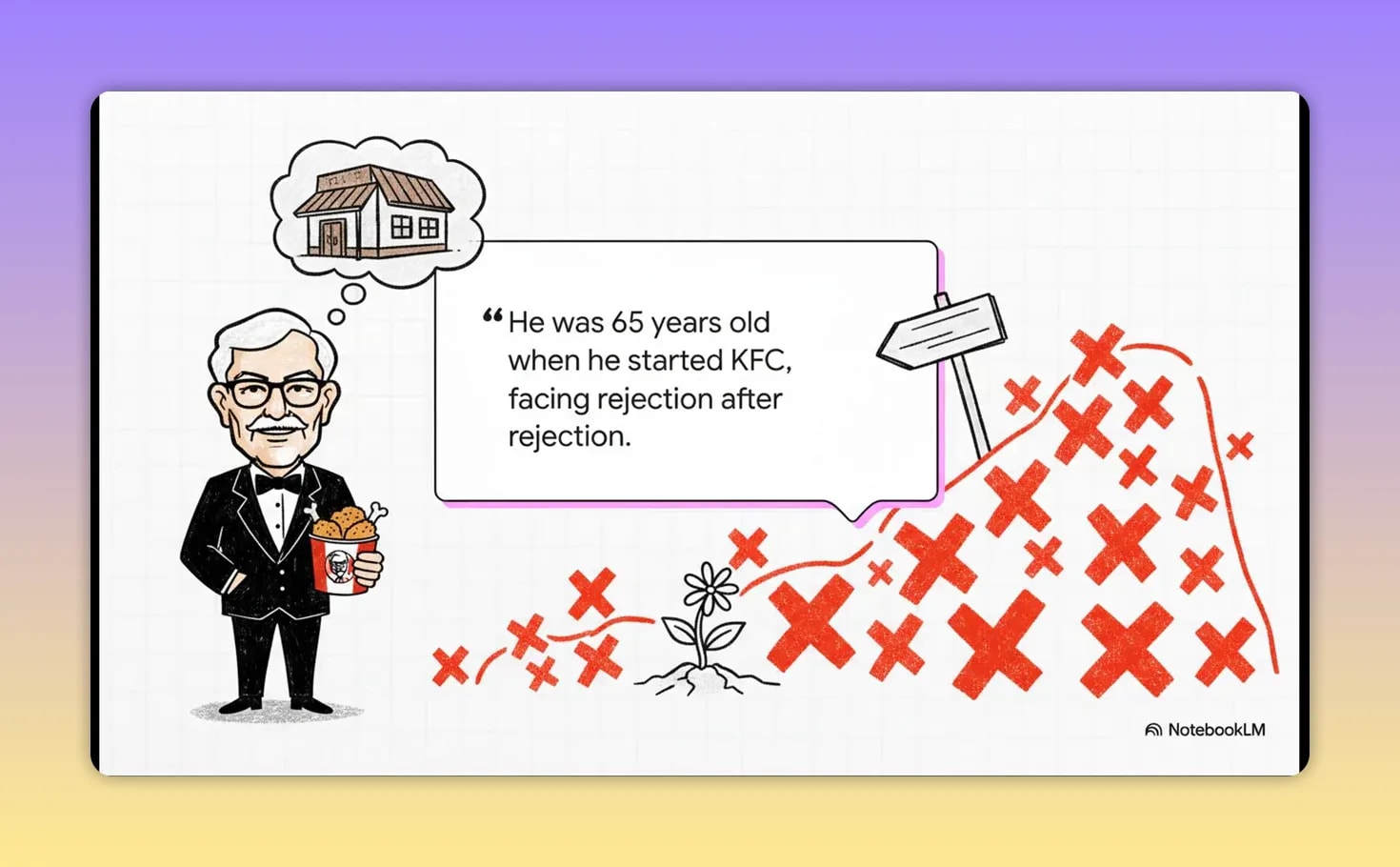
That kind of persistence forces an uncomfortable question: what makes someone keep going after that many setbacks?
The answer is usually not raw willpower alone. It is identity. When a person becomes deeply committed to who they are becoming, rejection becomes part of the road, not proof to stop.
Most people quit too early and then assume success was not meant for them. More often, they just stopped before the breakthrough had time to arrive.
Fuel continuous growth or you will stall
Even strong people can lose momentum if they stop growing. That is why Rohn placed so much importance on ongoing self-education and environment.
Formal education helps you earn a living. Self-education helps you build more
School can prepare you for a profession, but self-education shapes your ceiling.
What you choose to learn after the classroom often has the biggest long-term effect on your income, confidence, creativity, and freedom. Books, courses, conversations, skill development, reflection, and practical experience all become part of that process.
The point is not to collect information endlessly. The point is to keep expanding your capacity.
Your five-year future is being shaped right now
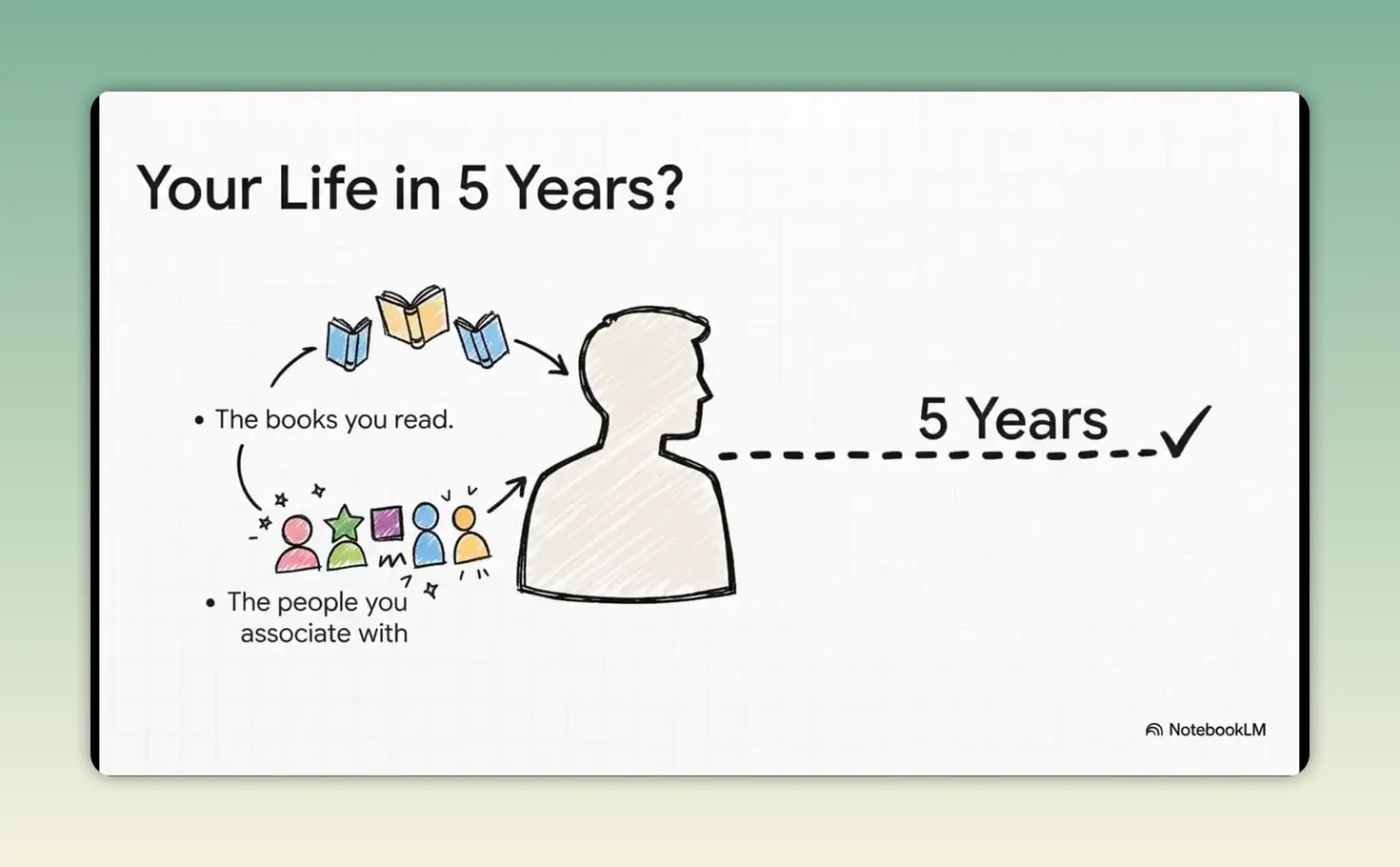
Rohn offered a very simple way to estimate where your life is headed.
If you want a clue about where you may be in five years, look closely at two things:
- the books and ideas you are feeding your mind
- the people you spend the most time around
That is both challenging and encouraging. Challenging, because it removes excuses. Encouraging, because it means your future is not random. It is being influenced every day by what you consume and who surrounds you.
You become like your inner circle
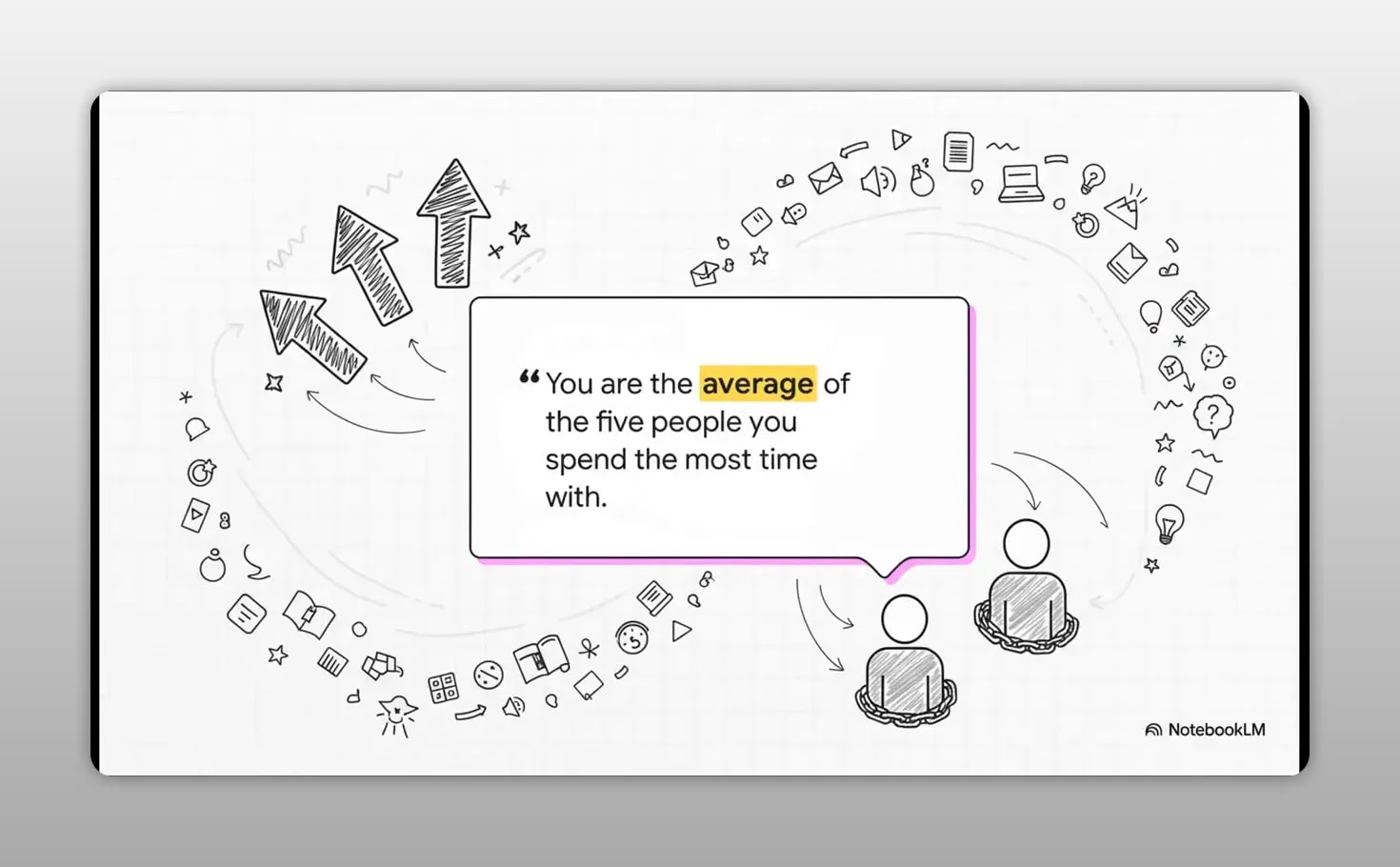
One of Rohn’s most quoted ideas is that you become the average of the five people you spend the most time with.
Whether the number is taken literally or not, the principle is hard to ignore. People influence standards. They influence what feels normal. They influence what you talk about, what you tolerate, and what you believe is possible.
Ask yourself a few honest questions:
- Do the people around you challenge you to grow?
- Do they reinforce discipline or distraction?
- Do they make your goals feel realistic or ridiculous?
- Do they speak with possibility or constant cynicism?
This does not mean abandoning everyone who is struggling. It means being intentional about influence. Your environment is not neutral.
The real goal is becoming
When you pull all of this together, the Jim Rohn method is not a shortcut. It is not a hack. It is not a trick for getting rich quickly or manufacturing motivation for a week.
It is a lifelong commitment to personal evolution.
The aim is not to arrive at some permanent destination called success. The aim is to keep becoming the kind of person who naturally attracts better opportunities, stronger relationships, deeper confidence, and more meaningful results.
The core success magnet practices
If you want the whole philosophy in one practical list, it comes down to this:
- Take full responsibility for your choices and responses.
- Cultivate your mindset with intention instead of feeding mental weeds.
- Set goals that are genuinely yours, then write them down.
- Build discipline daily through small consistent actions.
- Stay persistent long after most people would have quit.
- Keep learning through self-education and reflection.
- Protect your environment by choosing better inputs and better influences.
Stop chasing the butterfly
A good way to picture this whole philosophy is to stop chasing butterflies and start building a better garden.
If you obsess over catching the butterfly, you stay frantic. If you build something beautiful, healthy, and alive, the butterfly comes because the environment invites it.
That is what personal growth does. It creates the conditions for success.
So the better question is not, “What can I get?”
The better question is, “Who am I becoming?”
Because that person will determine what gets attracted into the next season of your life.
Your next action starts answering that question immediately.

Ready to Unlock Your Ultimate Potential—and an Additional Income?
Sign up today to instantly receive the first four chapters of our Biohack Your Life™ to “Own Your Life” ebook for free!
True biohacking isn’t just about optimizing your body and mind; it’s about claiming total autonomy over your time and your finances. If you're ready to boost your daily energy, sharpen your focus, and discover how to build an additional income, it’s time to take control.