Skip to content


What if the biggest factor shaping your success is not your background, your qualifications, or even your natural ability?
What if it is your attitude?
That is the heart of one of Zig Ziglar’s most powerful ideas. Your outer life reflects your inner life. Change what is happening in your mind, and you begin to change what happens in your world.
This is not fluffy motivation. It is a practical blueprint.
Ziglar taught this from experience. He did not arrive at success by accident, and he certainly did not begin from a place of ease. He talked openly about hitting midlife broke after years of work. What changed everything was not luck. It was a shift in mindset, character, and daily action.
If you want to live better, lead better, earn better, and stop feeling trapped by the time for money grind, this principle matters more than most people realise.
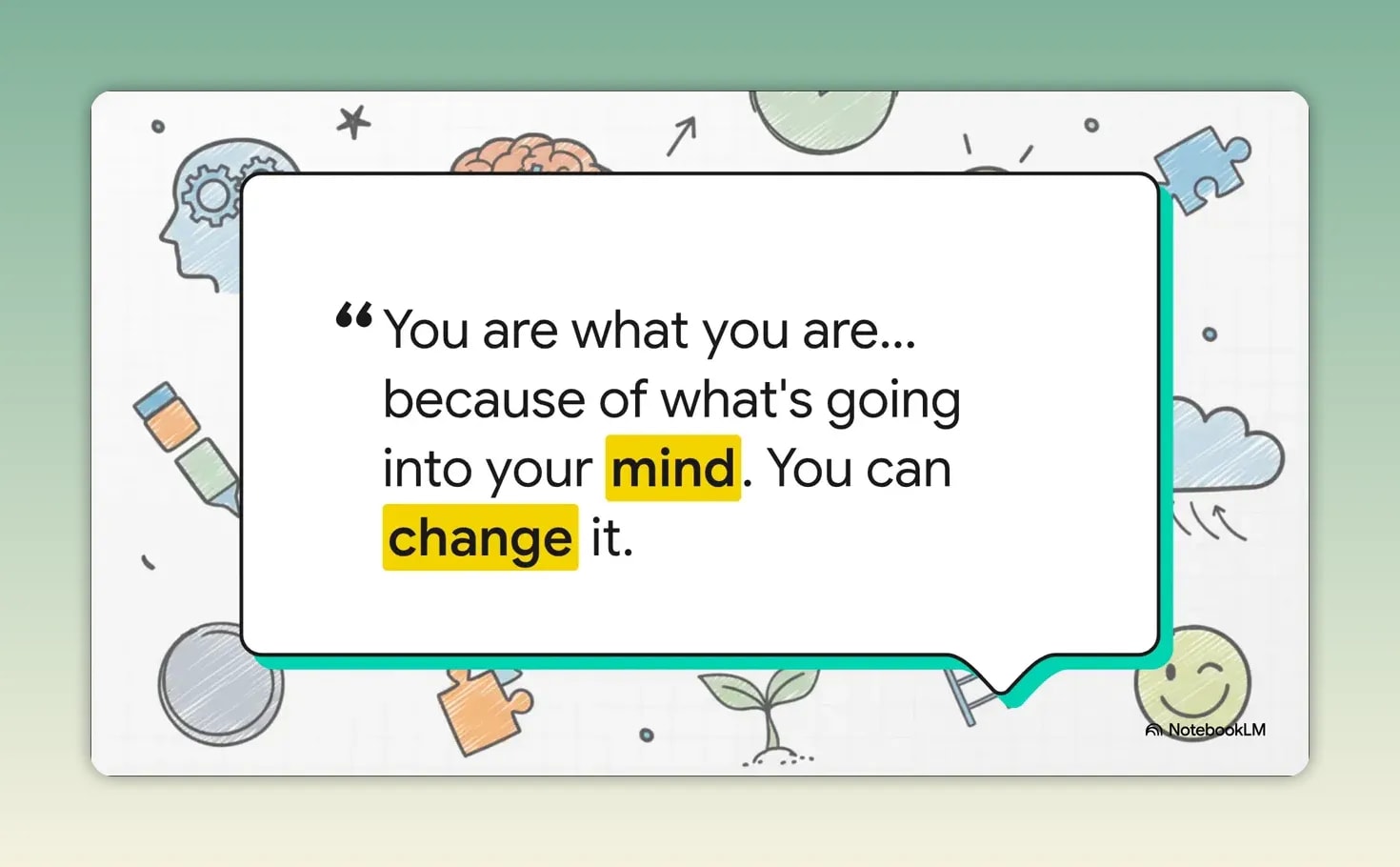
Your life follows your mental input
Ziglar’s philosophy can be boiled down to one truth. You become a reflection of what you repeatedly feed your mind.
That means the power to change is not sitting somewhere outside you, waiting for the right break, the right person, or the right circumstances. It begins between your ears.
This idea matters because a lot of people assume success is mostly about external advantages:
- Better education
- More talent
- Stronger connections
- A luckier start
- Better timing
Those things can help, of course. But they are not the deepest driver. The deeper driver is the kind of person you are becoming while you pursue your goals.
That is where Ziglar’s exercise becomes so revealing.
The dream person blueprint
Imagine you had to build the ideal employee, business partner, or team member from scratch.
What qualities would you insist on?
Most people begin listing traits like these:
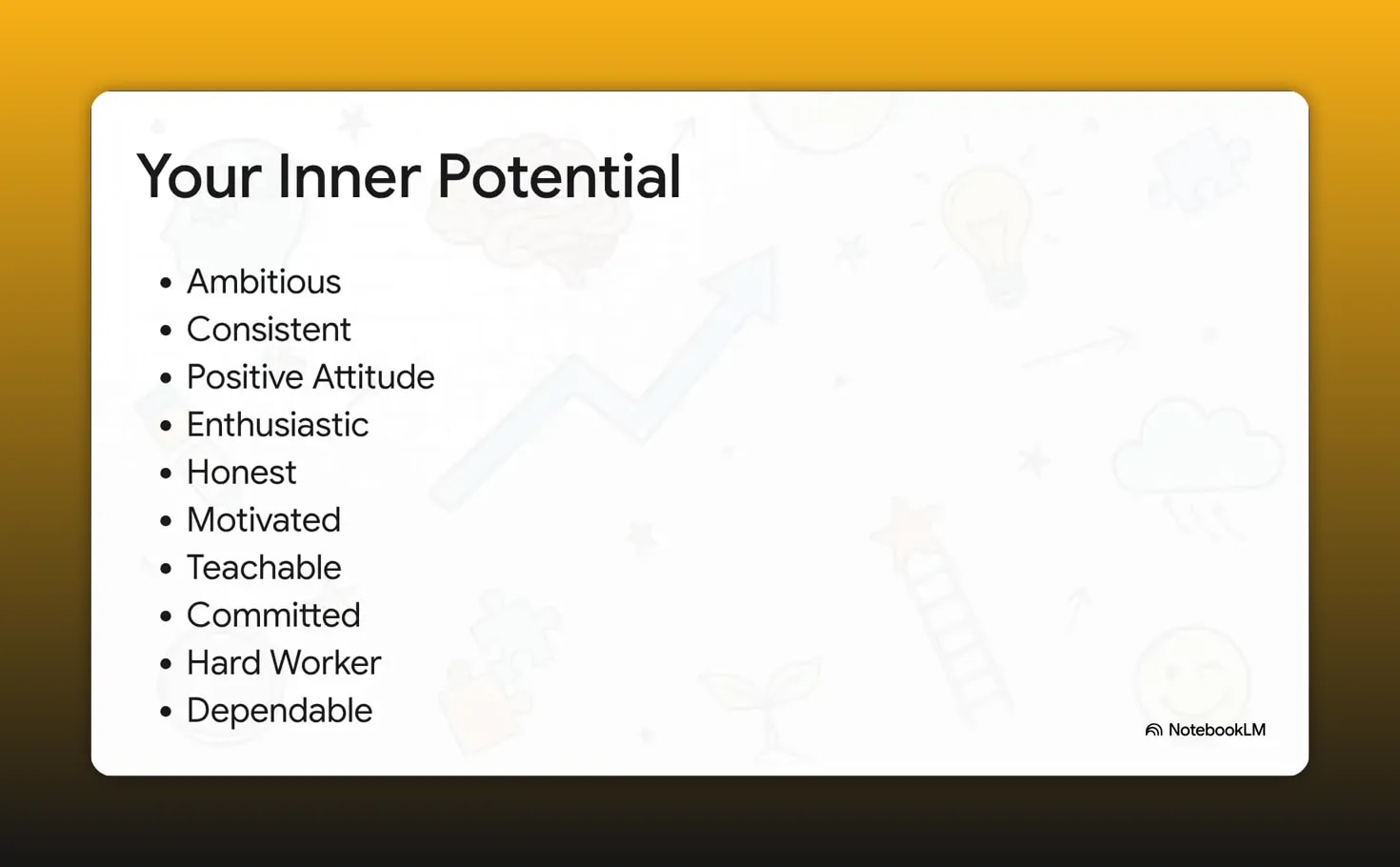
- Ambitious
- Consistent
- Positive
- Enthusiastic
- Honest
- Self motivated
- Integrity
- Teachable
- Driven
- Hard working
- Dependable
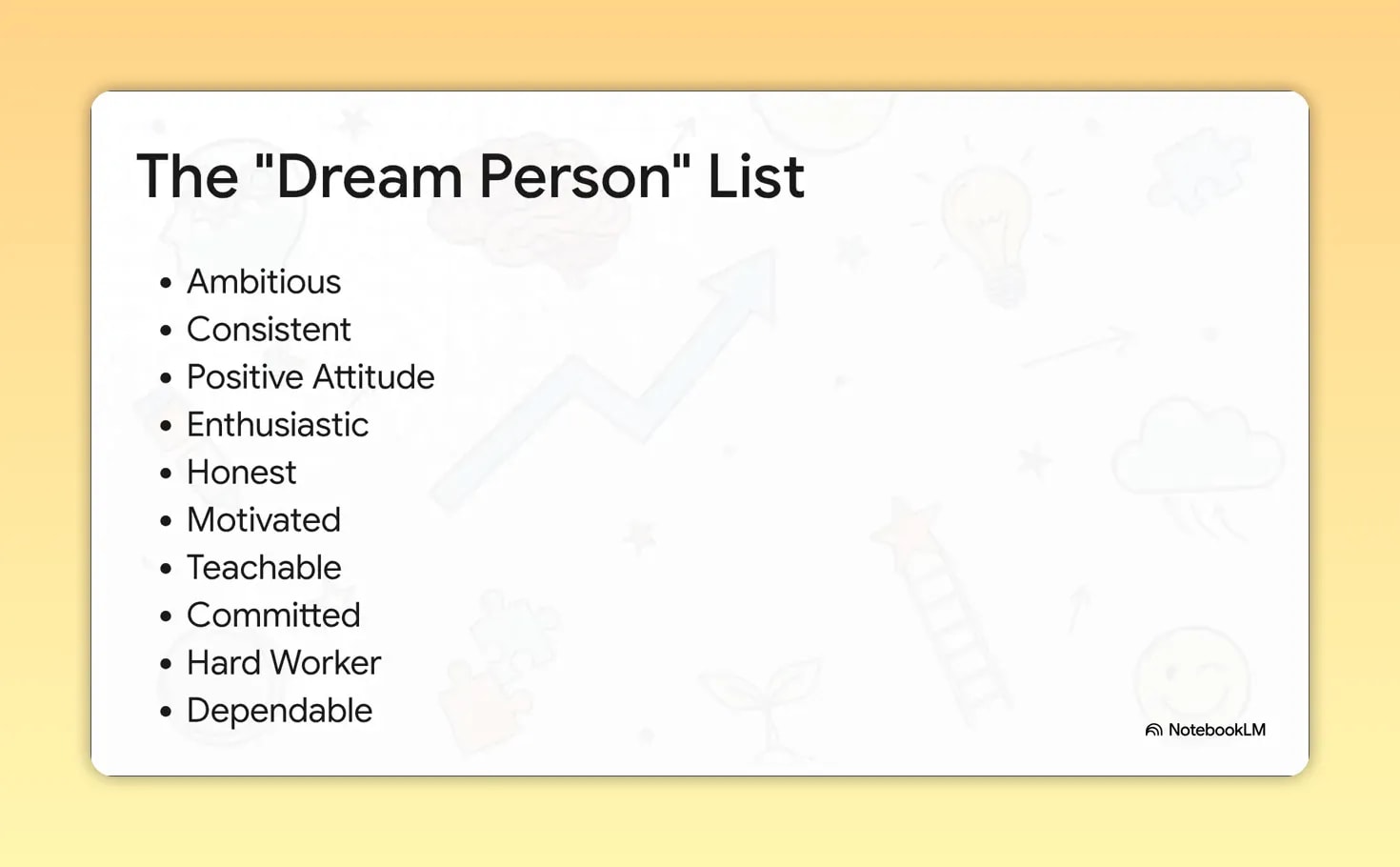
It is a great list. In fact, it looks like the profile of someone almost anyone would trust with responsibility.
But here is the real question. What do these qualities have in common?
The great attitude reveal
At first glance, that list can seem like a mix of personality, habits, and professional value. But once you look closely, the pattern becomes obvious.
Most of those traits are not talents.
They are not things like height, IQ, or some built in advantage. They are also not primarily technical skills you can pick up from a course or textbook.
They belong to another category entirely.
They are attitudes.
Ambition is an attitude. Consistency is an attitude. Honesty is an attitude. Being teachable is an attitude. A strong work ethic is an attitude. Dependability is an attitude.
In Ziglar’s fuller version of this exercise, people came up with 37 desirable qualities. An astonishing 97 percent of them fell into the attitude category.
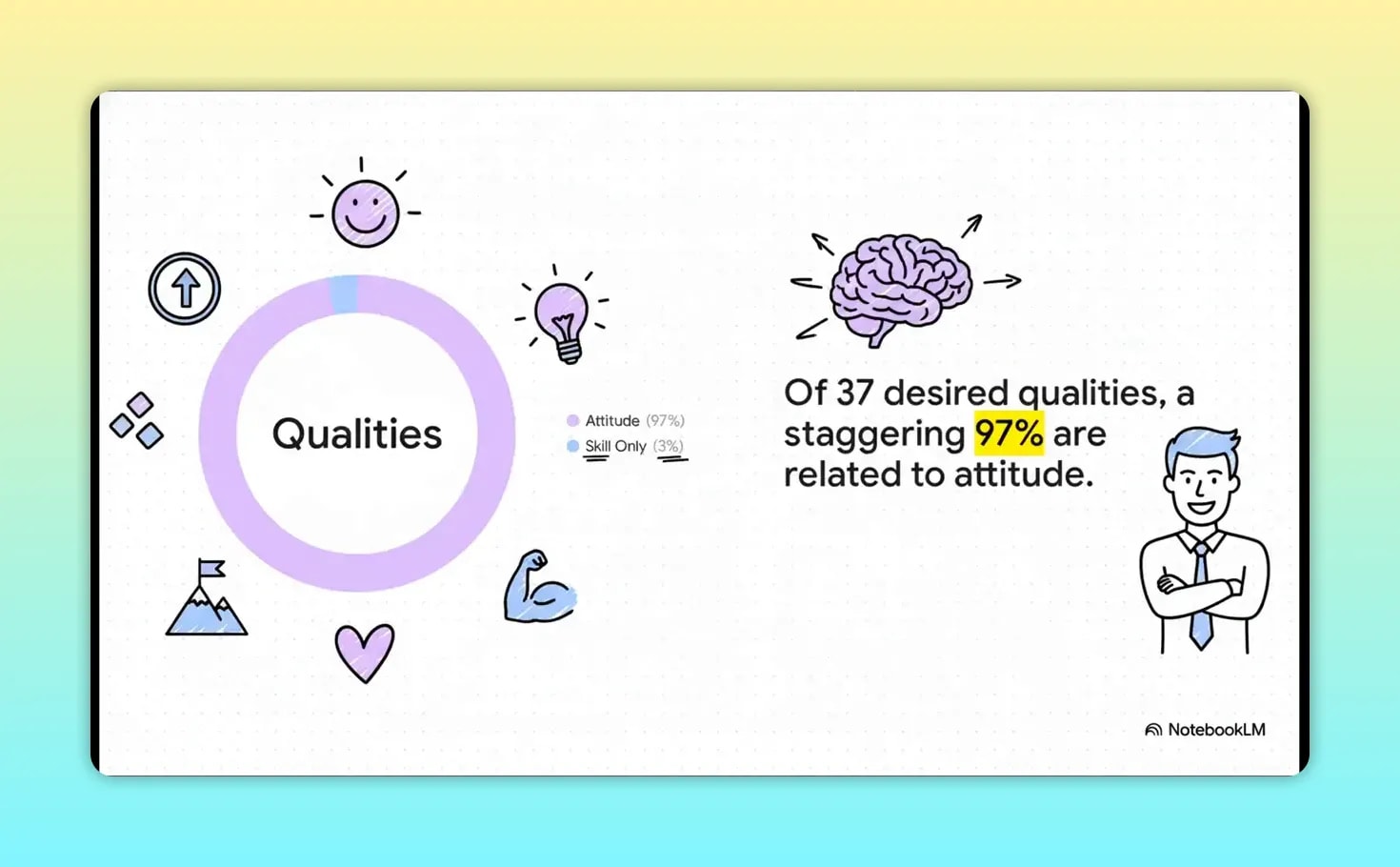
That changes the conversation completely.
If the qualities that most predict success are largely internal, then success is far less about what you know and far more about who you are becoming.
That does not make skill unimportant. Skill still matters. Training matters. Experience matters. But attitude multiplies or undermines all of it.
A teachable person can grow quickly. A proud person stalls.
An honest person builds trust. A dishonest person breaks it.
A dependable person creates opportunities. An unreliable person loses them.
If you are trying to improve your career, business, leadership, parenting, coaching, or home business results, attitude is not a side note. It is the foundation.
Why we are rarely taught this directly
Once you see how central attitude is, another question naturally comes up. Why is this not taught more deliberately?
Why do we spend so much time teaching information and so little time teaching the inner qualities that make information useful?
It is easy to put the blame on schools, but Ziglar makes a sharper point. The biggest influence begins much earlier and much closer to home.
A child may spend roughly 1,200 hours a year in school, but far more time at home. The home environment, the conversations, the examples, the emotional climate, and the values modelled there carry enormous weight.
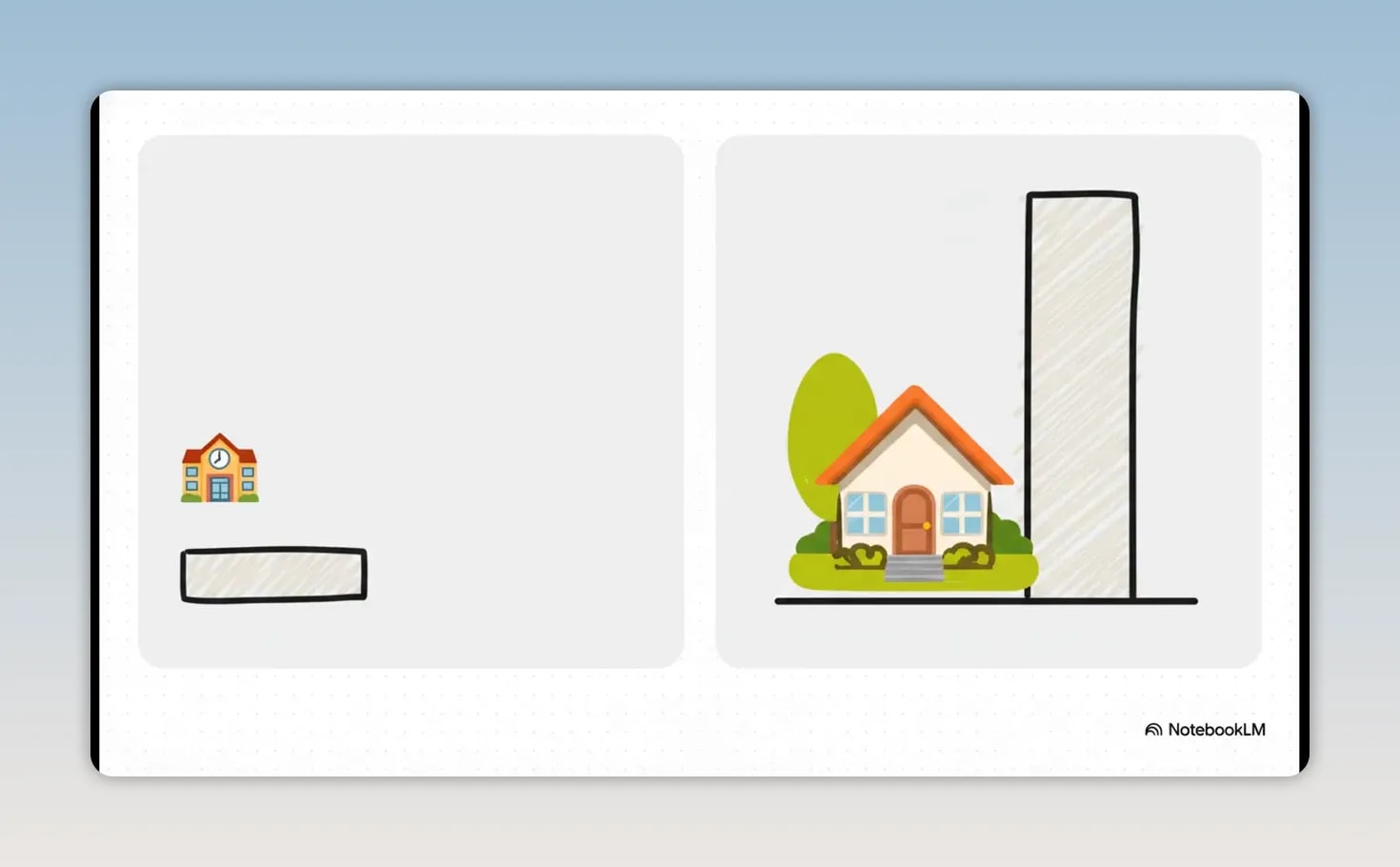
That is why responsibility cannot be outsourced. Not to schools. Not to employers. Not to culture. Not to chance.
Ziglar used a memorable image for this. When you point one finger of blame at someone else, three point back at you.
The point is not guilt. The point is ownership.
If attitude is formed through repeated input, then the environment we create and tolerate matters a great deal. The books we read matter. The words we use matter. The examples we follow matter. The standards we reinforce matter.
For parents, teachers, and coaches especially, that is a serious reminder. Character is not formed only through formal instruction. It is formed through atmosphere, repetition, and example.
Do You Want to Learn How To Earn an Additional Income?
Start Owning Your Life
The early years matter, but they are not the end of the story
One of the most striking ideas in Ziglar’s framework is that much of a person’s character starts taking shape very early. By around age five, a large part of that foundation is already in place.
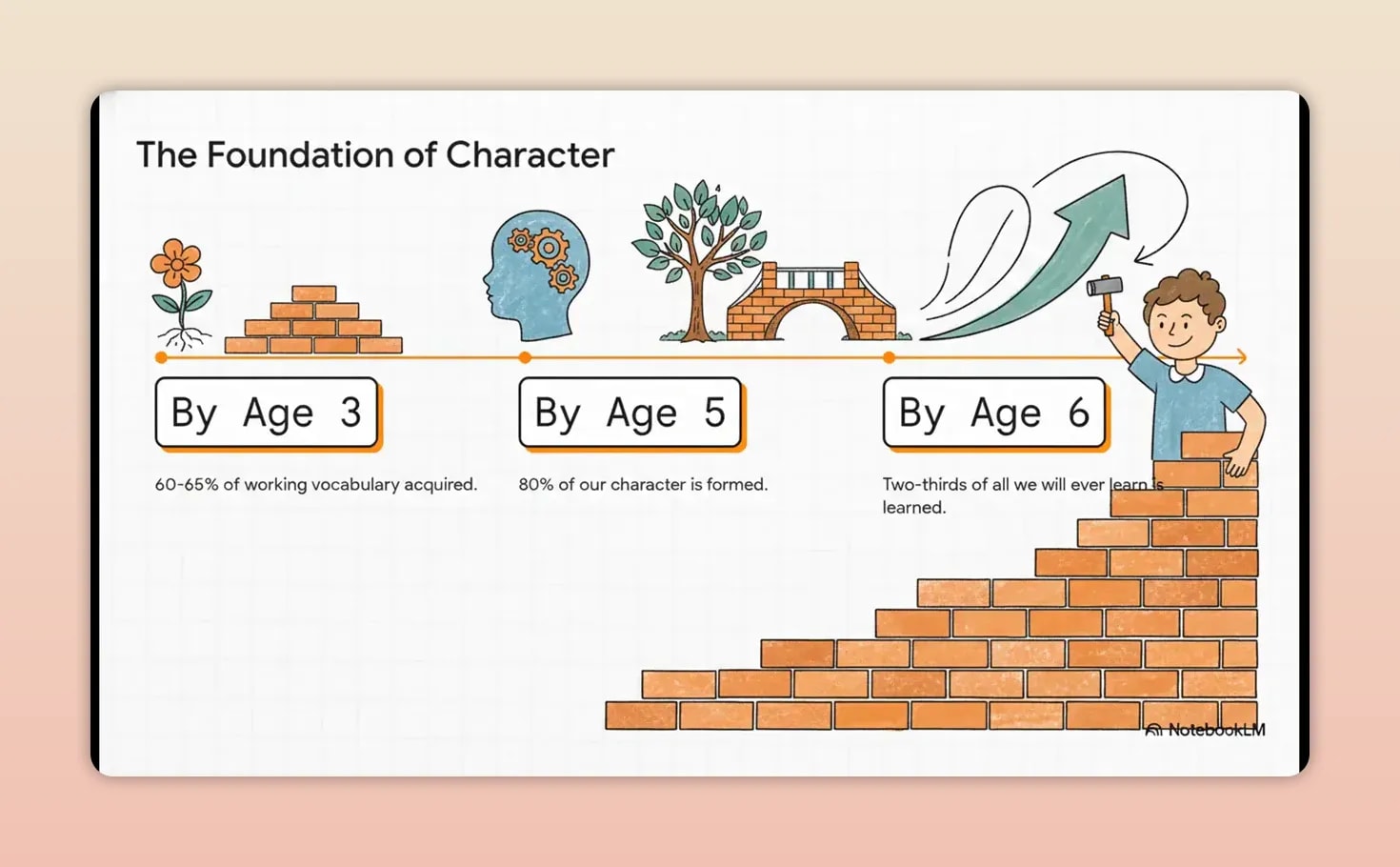
That could sound discouraging if you stop there.
It might make you think, “Well, if my foundation was shaky, maybe I am stuck with it.”
But that is not Ziglar’s conclusion at all.
The hopeful part is this: you can rebuild.
You may have learned damaging patterns early. You may have absorbed doubt, fear, passivity, negativity, dishonesty, or inconsistency. You may have lived in an environment that did not feed your best qualities.
That does not mean your future is locked in.
It means development needs to become intentional.
Modern research in psychology and habit formation supports this wider idea that beliefs, behaviours, and emotional patterns can be reshaped over time through repetition and deliberate practice. If you want a helpful overview, James Clear’s work on habit formation offers a useful framework for understanding how small repeated actions shape identity.
The perfect person you imagined is not somewhere else
Here is the most empowering part of the whole message.
That dream person you described at the beginning is not some mythical human who exists out there somewhere. It is not an impossible standard reserved for a tiny handful of exceptional people.
It is a picture of what is already present in seed form within you.
The qualities may be underdeveloped. They may be dormant. They may be inconsistent. But they are there.
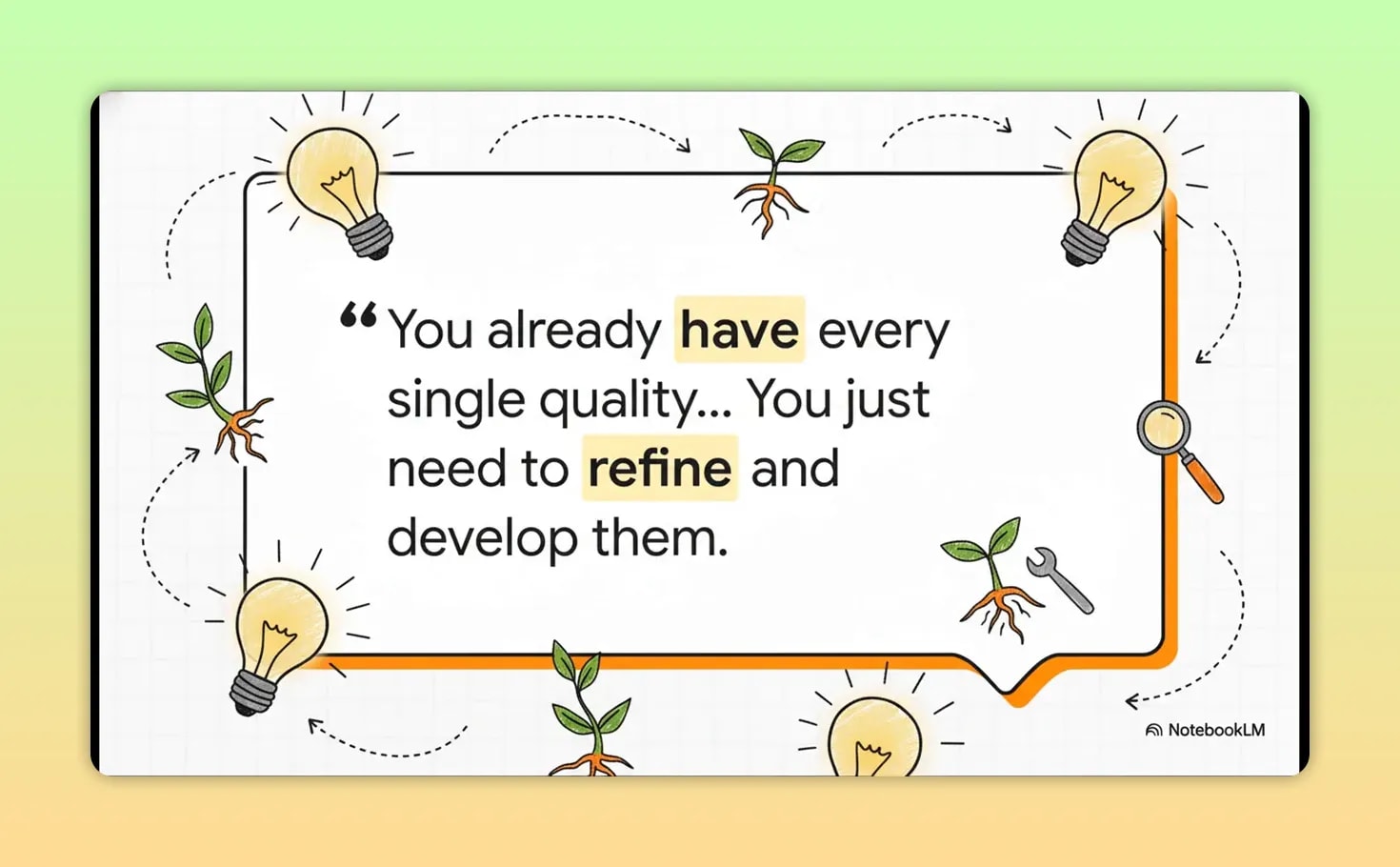
That means your task is not to go find ambition, honesty, teachability, or dependability somewhere outside yourself.
Your task is to develop them.
This is a very different mindset from self improvement that constantly chases the next missing piece. Instead of operating from lack, you begin operating from cultivation.
You are not empty soil hoping for a miracle. You are carrying seeds that need attention.
And if you are already searching for growth, that is evidence in itself. It suggests desire. It suggests humility. It suggests openness to learning. Those are not small things. They are signs of life.
The sequence of success
Ziglar’s sequence is simple, but it cuts straight through a lot of confusion.
Most people want to start with having.
They want the income, the confidence, the results, the opportunities, the lifestyle, the peace of mind. But success rarely starts there.
It moves in this order:
- Be the kind of person capable of the result.
- Do the actions that person would consistently take.
- Have the outcome those actions produce.
That order matters.
If you skip the becoming part, your actions will be inconsistent. And if your actions are inconsistent, your results will be unstable or disappointing.
This principle applies everywhere:
- If you want a healthier body, become a person who values discipline, then act like it daily.
- If you want a stronger business, become a person who is dependable, teachable, and consistent, then work from that identity.
- If you want better relationships, become a person marked by honesty, patience, and responsibility, then practise those qualities repeatedly.
The result follows the pattern.
This is one reason attitude matters so much in any serious growth journey, whether you are building a career, trying to earn additional income, or stepping into leadership. External strategies can help, but they work best when supported by internal strength.
How to start changing your world today
All of this becomes useless if it remains abstract. So make it practical.
Go back to the list of qualities and choose one.
Not ten. One.
Ask yourself:
- Which quality do I most need to strengthen right now?
- What am I feeding my mind that supports it?
- What am I feeding my mind that weakens it?
- What action would express this quality today?
Maybe the answer is consistency. Then decide what one commitment you will keep daily.
Maybe it is teachability. Then start listening more carefully, asking better questions, and dropping defensiveness.
Maybe it is enthusiasm. Then pay attention to your language, energy, and the kind of voices you let shape your thinking.
Maybe it is honesty. Then begin with complete truthfulness in the places where it would be easiest to hide.
If you want a practical tool for examining your mindset, this overview of growth mindset is also worth reading. It connects well with the idea that inner beliefs influence performance and personal development.
Change the input, change the outcome
The deepest message here is wonderfully direct.
You do not begin by asking what you lack. You begin by asking what you will develop.
The person you want to become is not built in a day, but it is built one decision at a time. One thought pattern at a time. One repeated behaviour at a time. One fed quality at a time.
Your world changes when your mental input changes.
So choose a quality. Feed it. Practise it. Repeat it.
That is how you stop drifting and start owning your life.

Ready to Unlock Your Ultimate Potential—and an Additional Income?
Sign up today to instantly receive the first four chapters of our Biohack Your Life™ to “Own Your Life” ebook for free!
True biohacking isn’t just about optimizing your body and mind; it’s about claiming total autonomy over your time and your finances. If you're ready to boost your daily energy, sharpen your focus, and discover how to build an additional income, it’s time to take control.