Skip to content


For generations, the blueprint for financial security seemed simple: get qualified, land a good corporate job, work hard, and stay loyal. Do that, and you were supposed to be set for life.
But what if that familiar path no longer leads to safety? What if it leads straight towards a cliff?
That is the uncomfortable idea behind Safe Is the New Risky. In a world reshaped by technology, global competition, automation, and rapid scientific progress, relying on a single employer or income source can be far riskier than building something of your own.
The Old Promise of Job Security Is Broken
The traditional promise was built around stability. Education led to employment. Employment at a big company led to a dependable salary, benefits, holidays, and eventually retirement.
That promise made sense in a different economy. A long career with a major employer was once seen as the gold standard. General Motors, for example, represented the kind of large, established corporation people expected to protect their future.
Yet the assumption that a company will look after you for life has been shattered. Major organisations can restructure, automate, outsource, merge, or reduce their workforce at any time. Loyalty alone is no longer a shield.
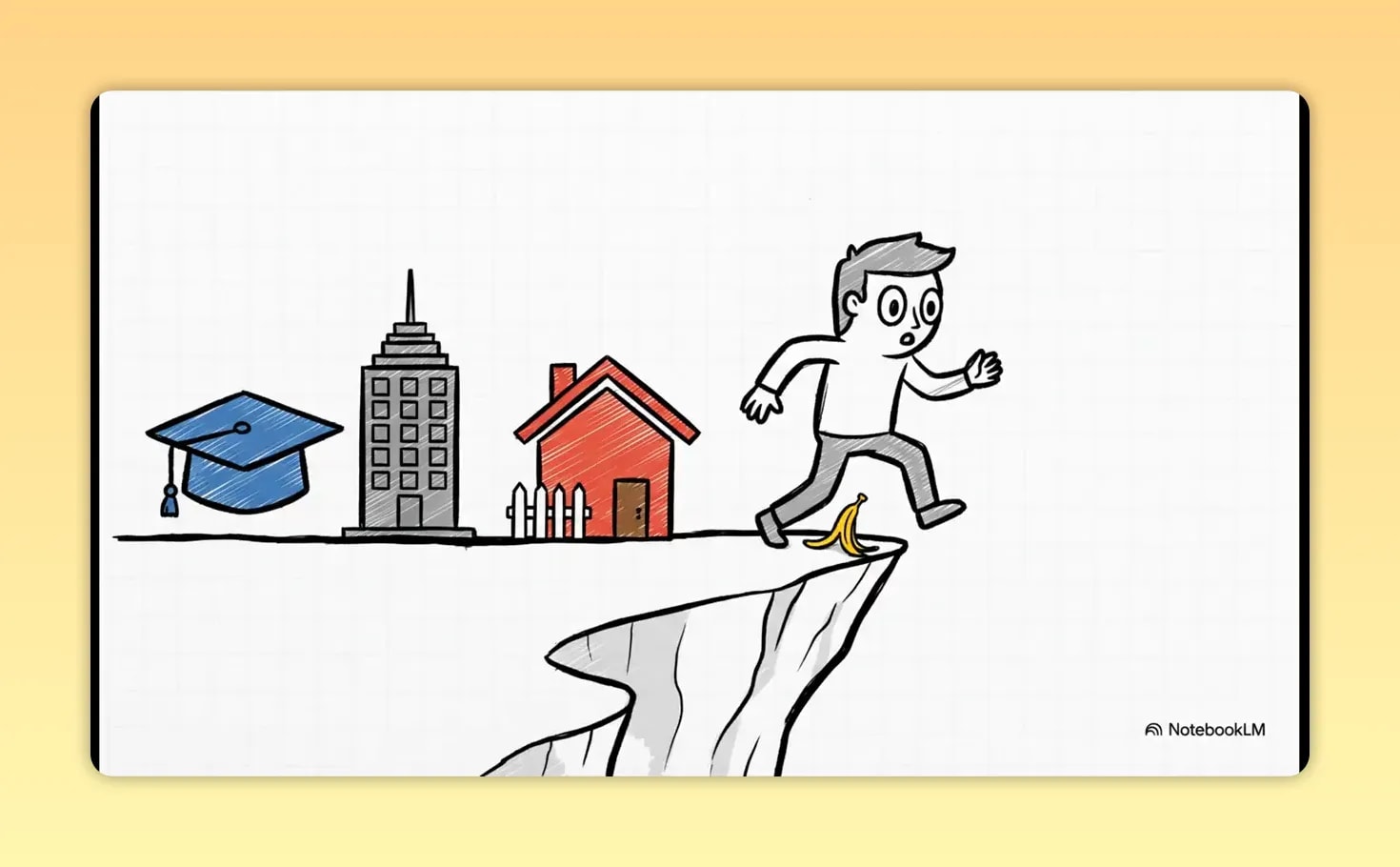
The real issue is not whether employment is bad. Jobs can provide valuable income, skills, relationships, and experience. The problem is treating one employer as the only thing standing between you and financial uncertainty.
Why Safe Is Now Risky
Massive forces are changing the economic rules faster than most people can adapt. Jobs that once appeared permanent can disappear, change dramatically, or move elsewhere.
Outsourcing Can Take Unexpected Forms
Consider the unusual example of coconut harvesting in Thailand, where monkeys have been trained to climb trees and collect coconuts. It may sound bizarre, but it makes a serious point: even simple work can be replaced or performed more cheaply in ways nobody expected.
If work can be outsourced to another country, another technology, another process, or even a completely different method, then no role should be assumed to be untouchable.
Scientific Progress Moves at Staggering Speed
Pet cloning was once pure science fiction. Now it is a real commercial service. The point is not to argue whether that development is right or wrong. The point is to notice the pace of change.
What seems impossible today can become normal far sooner than expected. When science and technology are moving that quickly, the safest response is not denial. It is adaptability.
Disruptive Technology Can Erase Entire Industries
Remember video shops, Friday night trips to Blockbuster, and calling a travel agent to arrange a flight? Streaming platforms and online booking services did not merely make those industries smaller. They transformed the market and removed huge numbers of jobs for good.
That is the brutal reality of disruption. It does not always arrive gradually. Sometimes it changes consumer behaviour so completely that a whole category of work is left behind.
Seniority Can Become a Target
There was a time when saying, “I have been with this company for 30 years,” was a badge of honour. Today, it can also put a spotlight on your cost to the business.
A long-serving employee may have a higher salary, more leave, and stronger benefits than a recent graduate who can perform a similar role for less. That does not make experience worthless. It means seniority is no longer automatic protection.
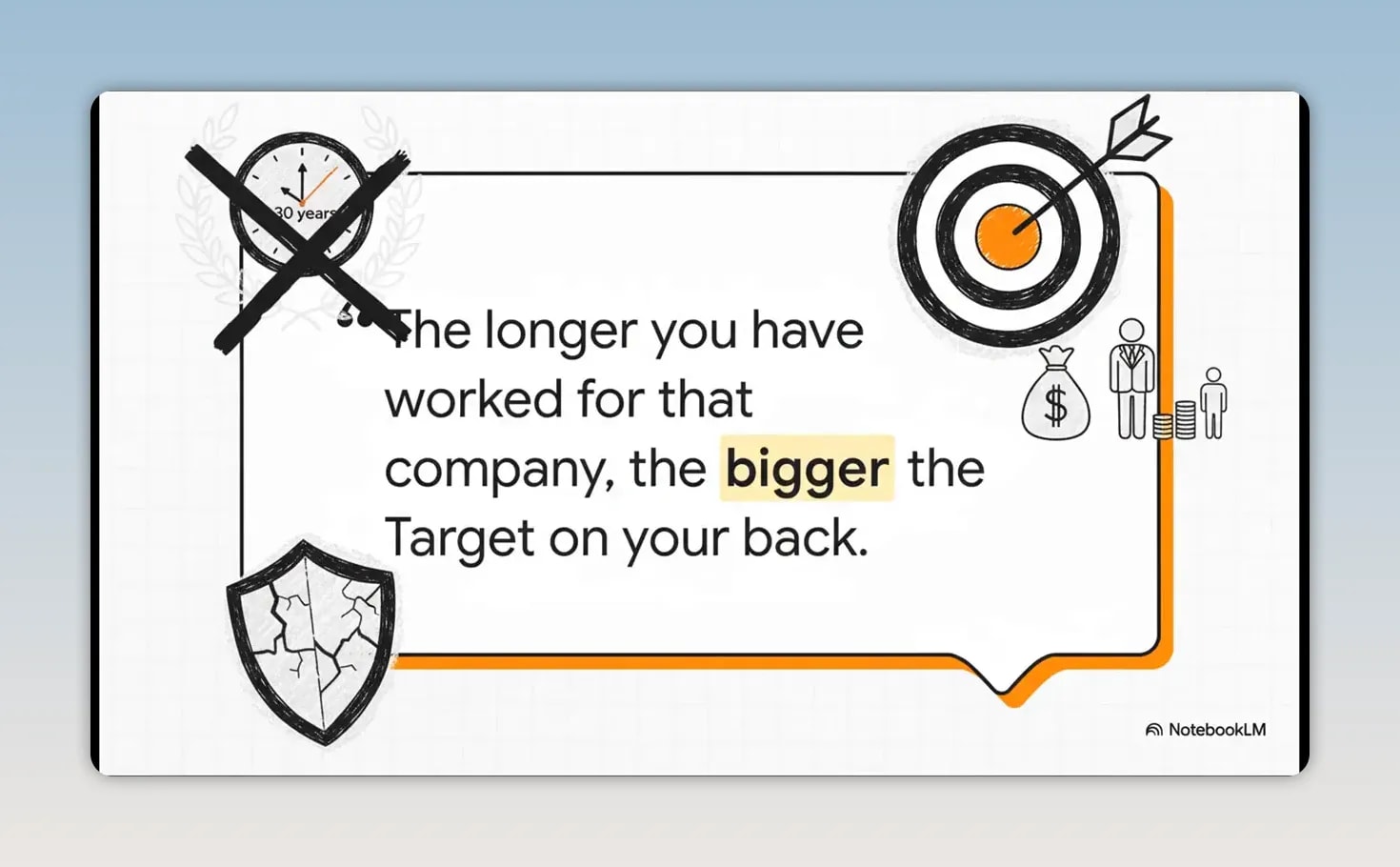
The takeaway is simple: do not outsource responsibility for your prosperity to an employer, the government, the economy, or the news cycle.
Create Your Own Economic Microclimate
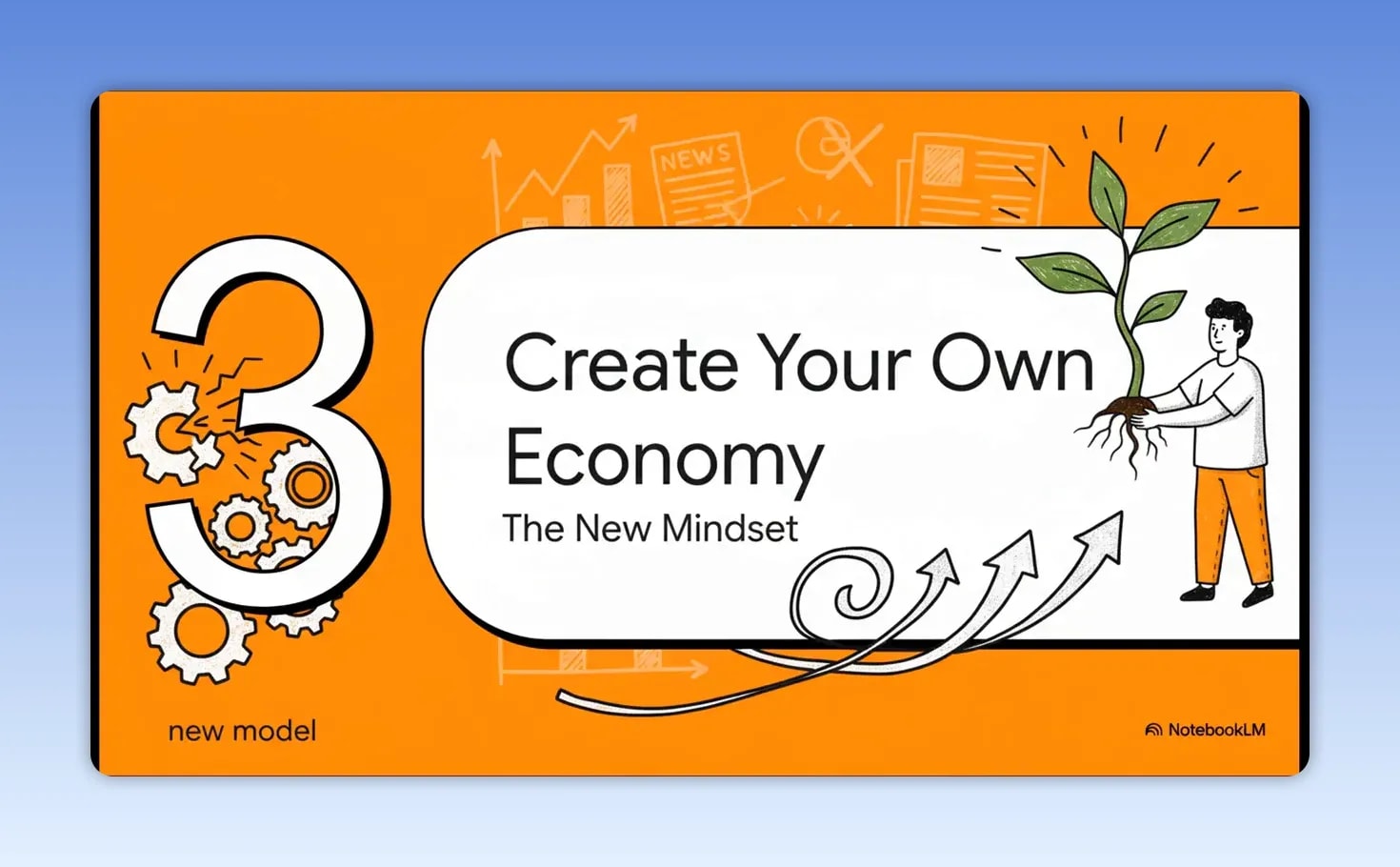
The mindset shift starts with taking 100% responsibility for your own prosperity.
That does not mean pretending economic challenges do not exist. It means refusing to let external conditions have the final word over your financial future. You cannot control every headline, market shift, or company decision. You can control what you learn, the skills you develop, the relationships you build, and the income vehicles you create.
Think of it as creating your own economic microclimate. The world around you may be stormy, but you can still build systems, assets, and abilities that make you more resilient.
Challenges Often Create the Biggest Opportunities
History repeatedly shows that difficult times can create extraordinary openings for people willing to spot them. The Great Depression produced a new generation of millionaires. During the housing crisis, some buyers acquired foreclosed properties at deeply reduced prices, creating wealth while in some cases helping families remain in their homes.
The lesson is not that crises are good. They can be painful and disruptive. The lesson is that every major change rearranges the board. While some people only see loss, others look for ways to solve new problems and create genuine value.
Opportunity is often hiding inside disruption, but you need the right mindset and the right vehicle to see it.
The Power of Leverage
The key principle is leverage.
When you trade time directly for money, there is a hard limit on what you can earn. There are only so many hours in a day, and only one of you available to do the work.
Leverage means creating a system that can produce value beyond your individual hours. A musician writes a song once and can earn royalties from it every time it is downloaded or used in the future. The original effort can continue producing results.
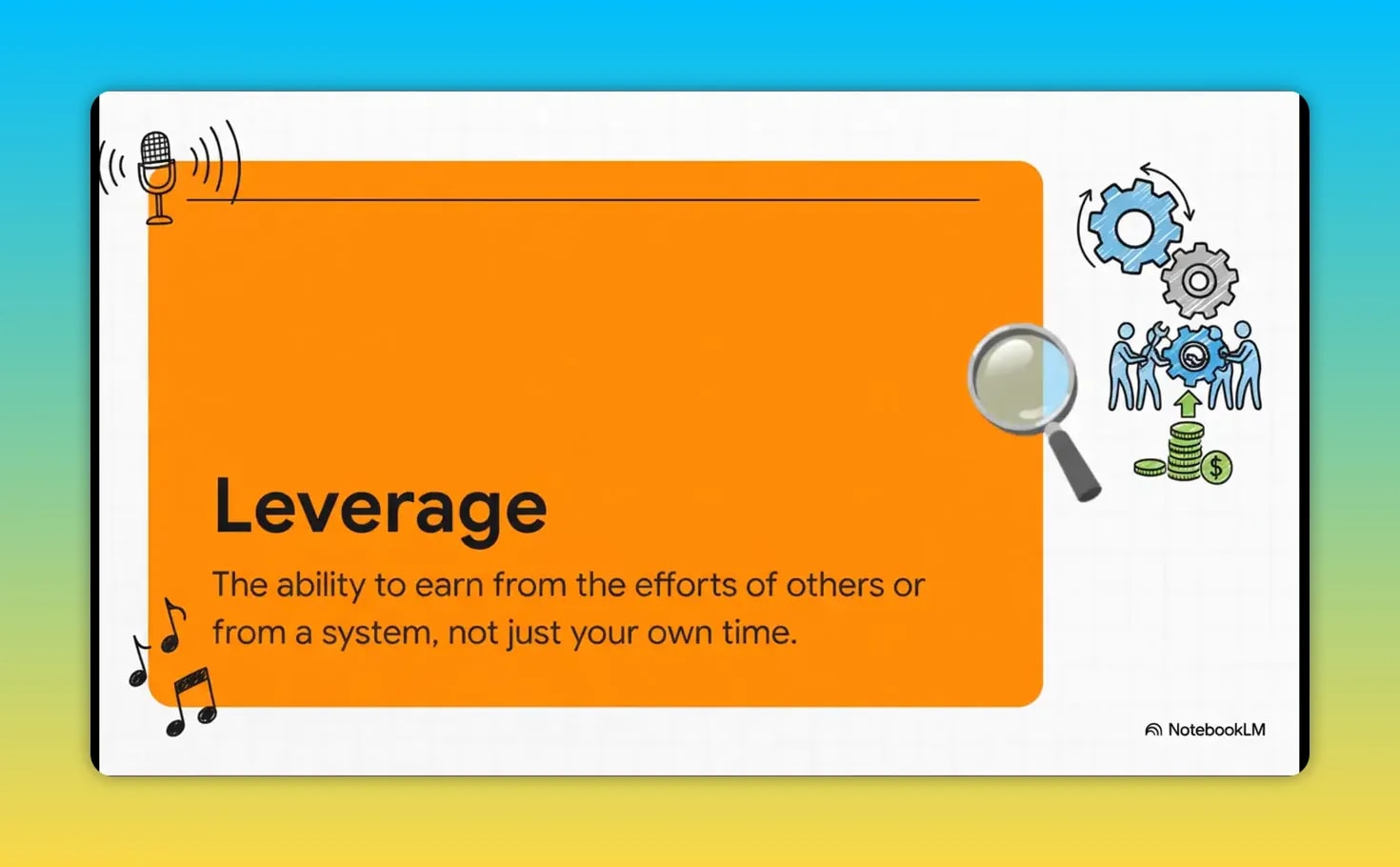
That is the difference between simply working harder and building something that can work with you, and eventually without constant hands-on effort from you.
Three Business Models Built for Leverage
Randy Gage identifies three primary models that can create leverage in the modern economy.
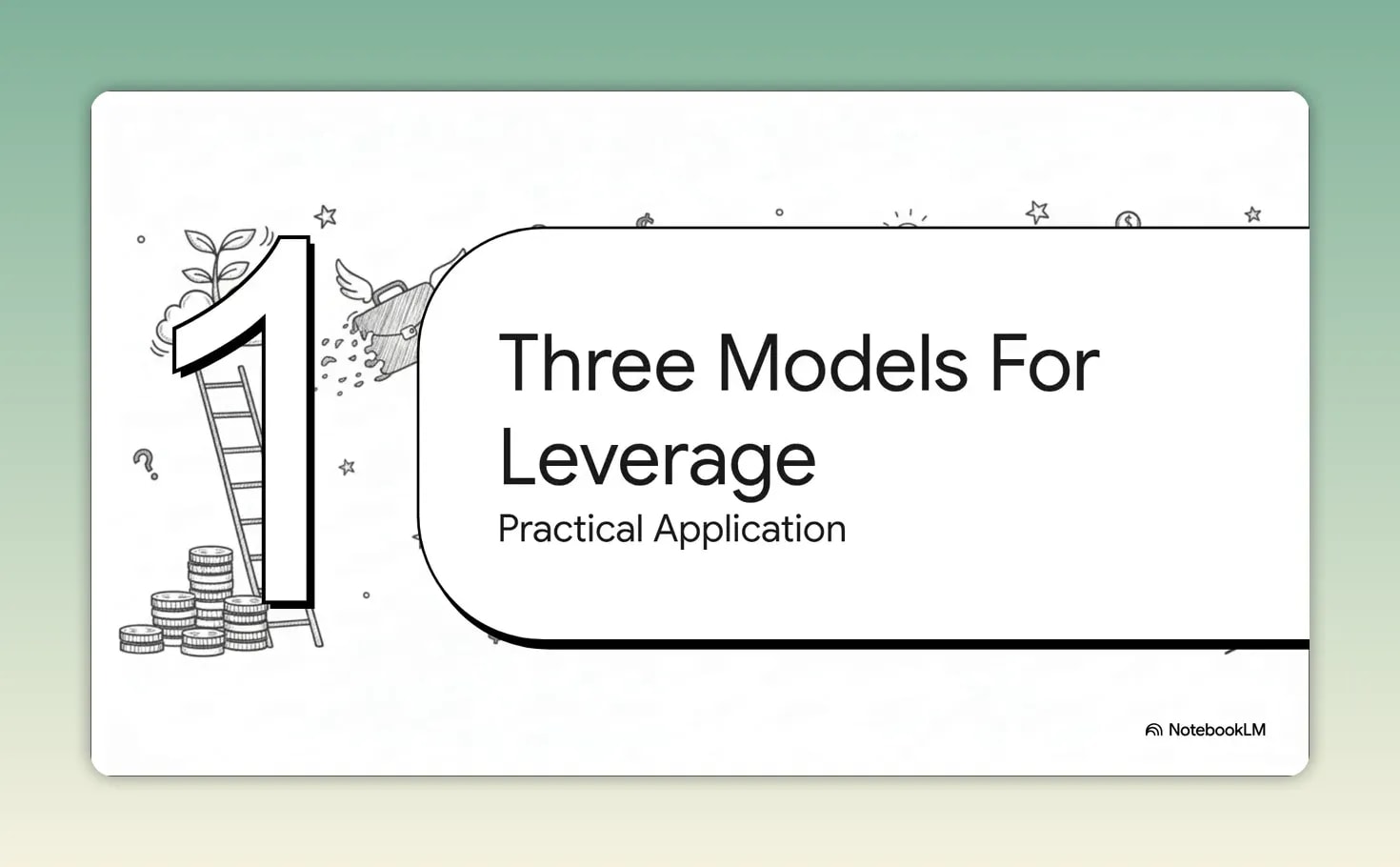
1. Information Entrepreneurship
An information entrepreneur packages knowledge into digital products such as online courses, ebooks, training programmes, or other resources. Technology allows one person’s expertise to reach thousands of people without delivering the same information individually every time.
The leverage comes from turning knowledge into an asset that can be delivered at scale.
2. Real Estate
Real estate creates leverage by using other people’s money, typically bank financing, to control assets that may appreciate over time. The investor is not necessarily using only personal cash to acquire the asset.
This model can be powerful, but it usually requires capital, borrowing capacity, market understanding, and careful risk management.
3. Network Marketing
The third model is network marketing. Gage highlights it as the most accessible of the three because it can require relatively little start-up capital, extensive connections, or prior business experience.
The central idea is not simply to sell products personally. It is to build a system that helps other people learn, grow, and duplicate a straightforward process.
Do You Want to Learn How To Earn an Additional Income?
Start Owning Your Life
The Grinder Versus the Rockstar
There are two very different ways to approach network marketing, and confusing them is where many people go wrong.
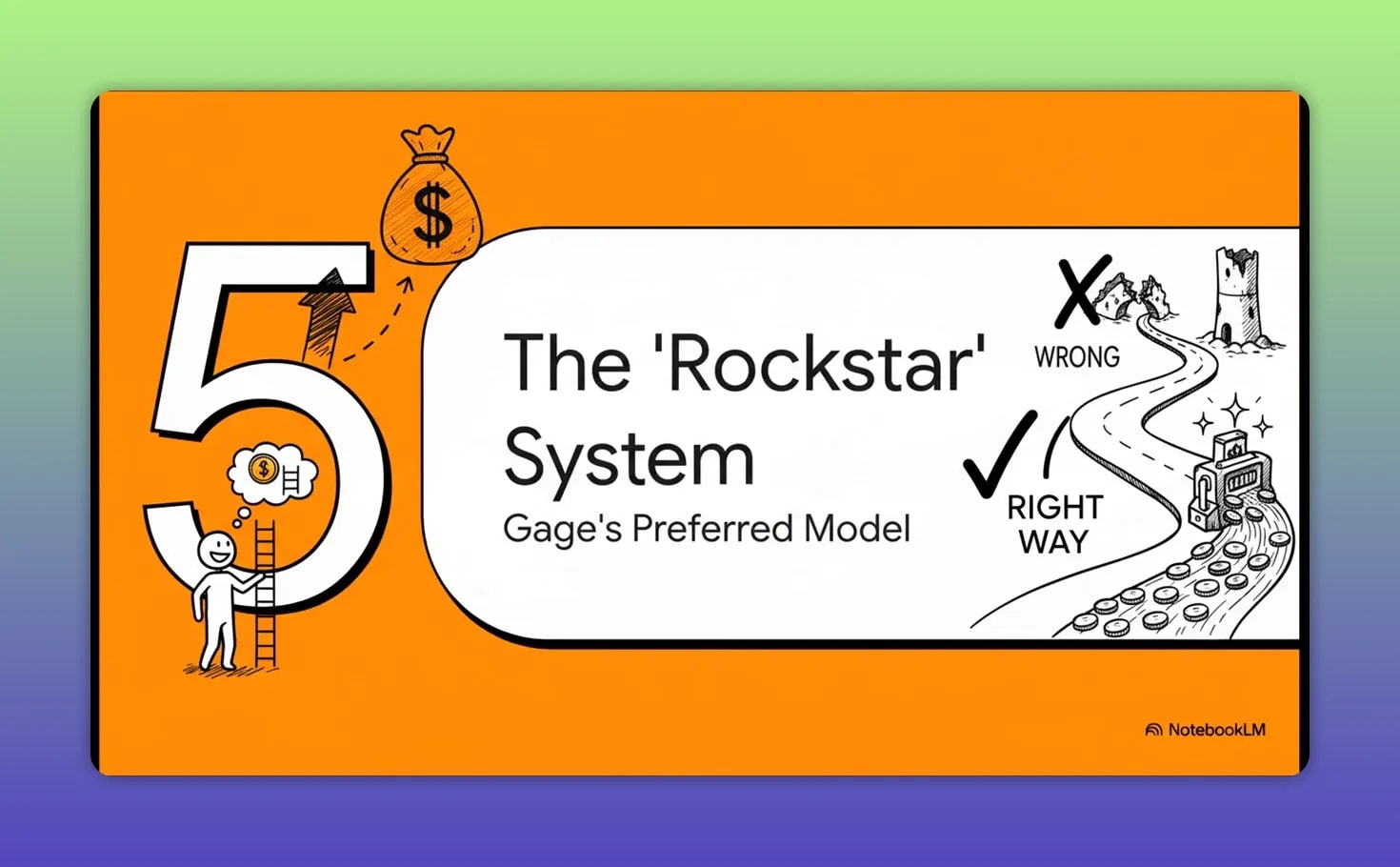
The Grinder
The grinder tries to do everything personally. They focus almost entirely on selling products, becoming the superhero of their own small operation, and carrying the workload themselves.
They may work incredibly hard, but because the business depends on their individual effort, their income remains tied to their activity. Long-term leveraged income is limited.
The Rockstar
The rockstar focuses on coaching people, developing leaders, and creating a duplicable system. Instead of trying to become an amazing salesperson who does it all, they find coachable people and plug them into a simple process that can be followed step by step.
The goal is to create a culture of leadership where people can learn the system, use it, and teach it to others. The system does the heavy lifting.
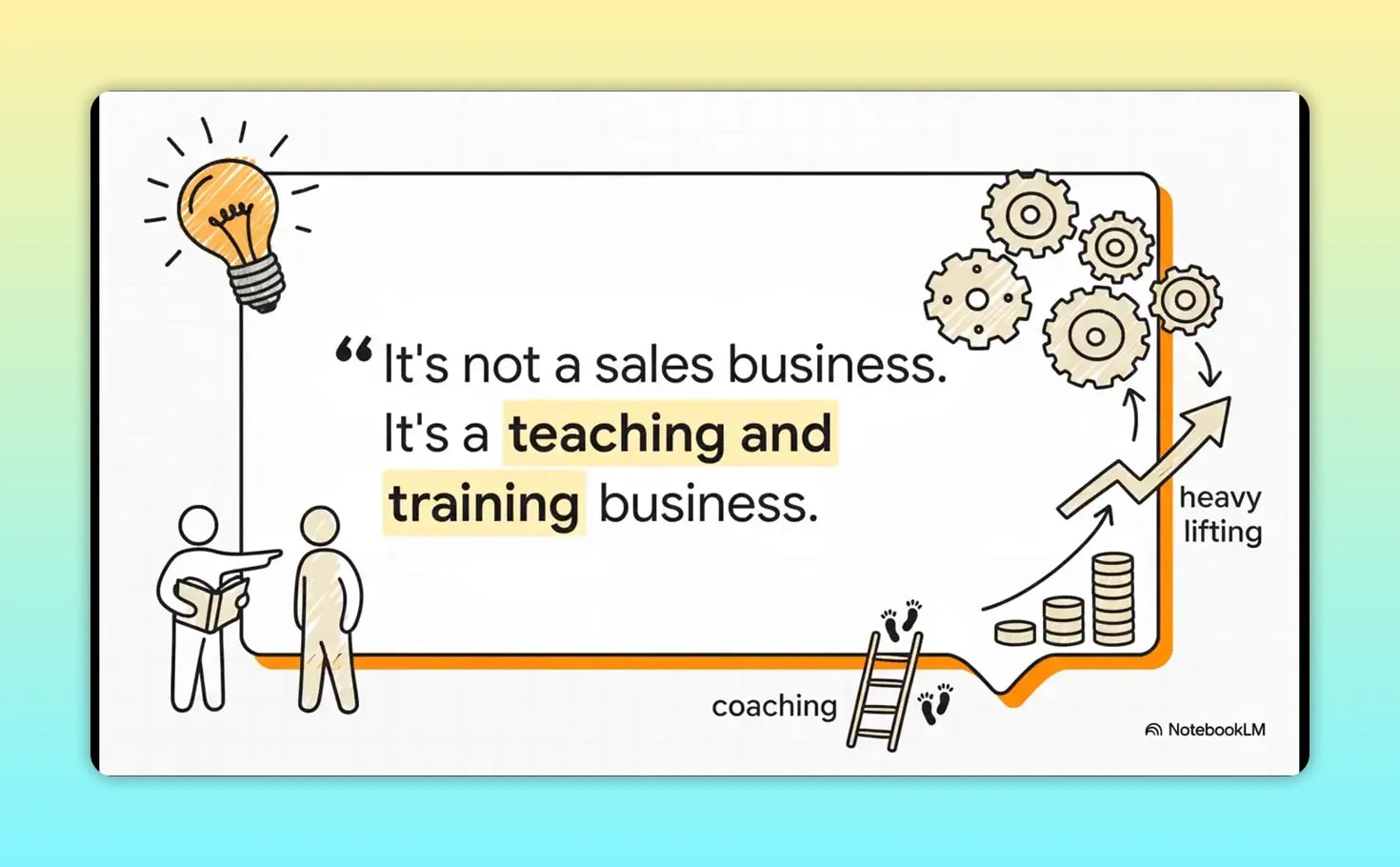
That is why this approach is presented as a teaching and training business rather than a sales business. You do not need to pressure friends and family or become somebody you are not. You need to be willing to learn, follow a proven process, and help others do the same.
Build the System, Not a Job for Yourself
Gage’s example is the power of sponsoring a few people each month and teaching them to use the same duplicable system. He states that this approach enabled him to build a global team of 200,000 people and generate significant passive income.
That example illustrates the principle of leveraged action, not a guaranteed outcome. Results in any business vary based on effort, consistency, skills, market conditions, experience, and the ability to follow through.
The bigger point is this: wealth creation becomes more scalable when you stop trying to do every task yourself and start building systems that empower other people to succeed.
Be the Architect of Your Own Prosperity
The economic model of the past is broken. Technology, global forces, and disruption have changed the rules.
That does not mean there is no hope. It means the old definition of safety needs an upgrade. Real security comes from becoming adaptable, building valuable skills, developing multiple income possibilities, and using leverage instead of depending entirely on time-for-money work.
You do not need more hours in the day. You need a better vehicle.
The question is no longer whether the world will keep changing. It will. The real question is whether you will take charge and become the architect of your own prosperity.

Ready to Unlock Your Ultimate Potential—and an Additional Income?
Sign up today to instantly receive the first four chapters of our Biohack Your Life™ to “Own Your Life” ebook for free!
True biohacking isn’t just about optimizing your body and mind; it’s about claiming total autonomy over your time and your finances. If you're ready to boost your daily energy, sharpen your focus, and discover how to build an additional income, it’s time to take control.