Skip to content


Many people leave network marketing quickly, not necessarily because they lack discipline or ambition, but because they are handed an unrealistic job description. They are expected to approach everyone they know, explain products and compensation plans, overcome objections, and recruit, all while managing work and family responsibilities.
A more sustainable approach is the ITT framework: Invite, Tool, Team. It reduces the first interaction to a brief invitation, directs the prospect to a consistent information tool, and brings in experienced team support for questions and follow-up.
- Key Takeaways
- Why the traditional network marketing approach causes burnout
- What is the ITT framework?
- How Invite, Tool, and Team work in practice
- A simple ITT workflow to follow
- Why ITT can improve duplication
- What ITT does not solve
- Common mistakes to avoid with the ITT approach
- How to make network marketing fit a busy life
- Building a system instead of creating another job
- Frequently Asked Questions
Key Takeaways
- Early network marketing burnout often comes from unclear expectations and constant pressure to sell.
- ITT assigns three clear roles: invite, share a tool, and involve experienced team support.
- A short, respectful invitation is easier to repeat than an improvised sales presentation.
- Simple systems can support consistency, but they cannot guarantee income or replace ethical practice.
Why the traditional network marketing approach causes burnout
Traditional advice often sounds simple: make a large contact list and start talking to everybody. In practice, this turns a new distributor into a full-time salesperson before they have the confidence, experience, or systems to do the work well.
That creates several predictable problems.
- Too much improvisation: New people may be expected to explain unfamiliar products, company history, and compensation structures without a clear process.
- Pressure on personal relationships: Friends and relatives can begin to feel like prospects rather than people, making every conversation feel high stakes.
- Rejection without preparation: Rejection is part of any sales-related activity, but repeated rejection is much harder to handle when there is no script, tool, or team support.
- Conflict with family life: Parents, teachers, coaches, and busy professionals already have limited time and attention. Adding constant recruiting tasks can create friction at home.
- Dependence on individual energy: A business that only moves when one person is constantly presenting, chasing, and persuading is difficult to sustain.
The result is a system built around pressure rather than repeatability. If every new person must become an expert presenter immediately, the process becomes exhausting before meaningful skills or momentum can develop.

What is the ITT framework?
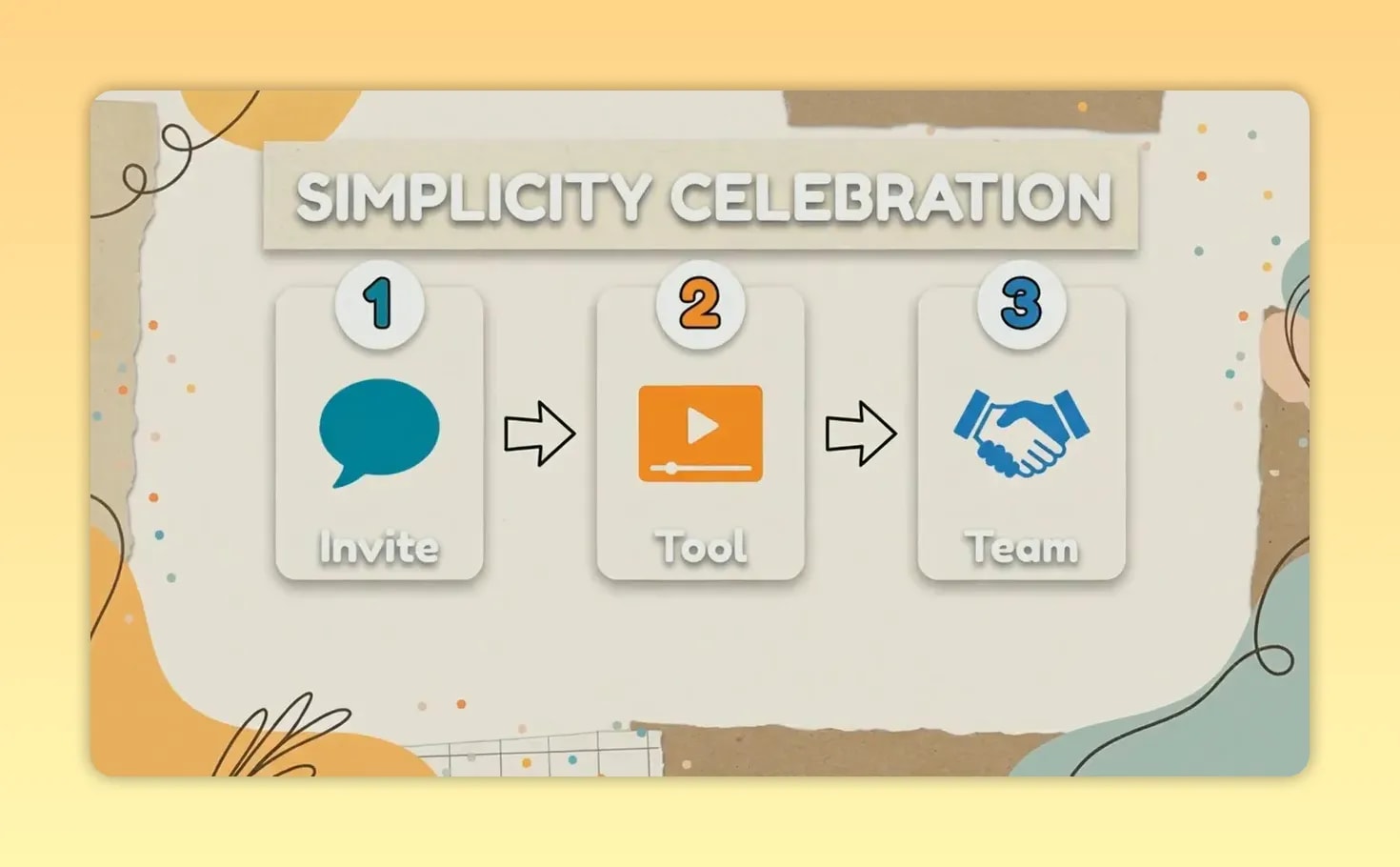
ITT stands for Invite, Tool, Team. It is a simple network marketing workflow designed to keep each person focused on a task that is easy to learn and repeat.
- Invite: Make a short, clear invitation to someone who may be open to learning more.
- Tool: Share a consistent resource that explains the product, business opportunity, or compensation plan.
- Team: Bring in a knowledgeable team member to support the conversation and answer questions.
The aim is not to avoid work. It is to avoid making every new person responsible for every part of the process from day one. The framework separates roles so the invitation remains simple, the explanation stays consistent, and the prospect receives informed support.
How Invite, Tool, and Team work in practice
1. Invite with a short, respectful message
An invitation is not a product presentation. It is not a lengthy explanation of the compensation plan, and it should not corner someone into a decision.
The purpose is simply to find out whether a person is willing to look at more information. Keep the message brief, relevant, and honest about why you thought of them. For example, you might say that you are working with a team helping people explore an additional-income opportunity and ask whether they would be open to a short overview.
That approach is far less demanding than attempting to teach the entire business in a casual conversation at school pickup, during a family gathering, or through a rushed message.
2. Let the tool do the explaining
The “tool” is a standard resource that gives a prospect the core information. It may be a short presentation, a webinar, a company-approved overview, or another resource that covers the relevant details.
A useful tool should explain the opportunity consistently. It can cover:
- The product or service
- The problem it is intended to solve
- The business model
- The compensation plan
- What participation actually requires
Using a tool does not mean hiding from questions. It means avoiding inaccurate, rushed, or overly complicated explanations from people who are still learning. It also gives each prospect access to the same foundational information.
3. Use the team for the first serious conversation
The team component provides backup. An experienced leader or team member can join a three-way call or follow-up conversation to clarify details, answer questions, and help the prospect decide whether the opportunity is appropriate.
This protects the new participant from feeling they must have every answer. It also helps prospects receive a more complete explanation before they commit time or money.
A simple ITT workflow to follow
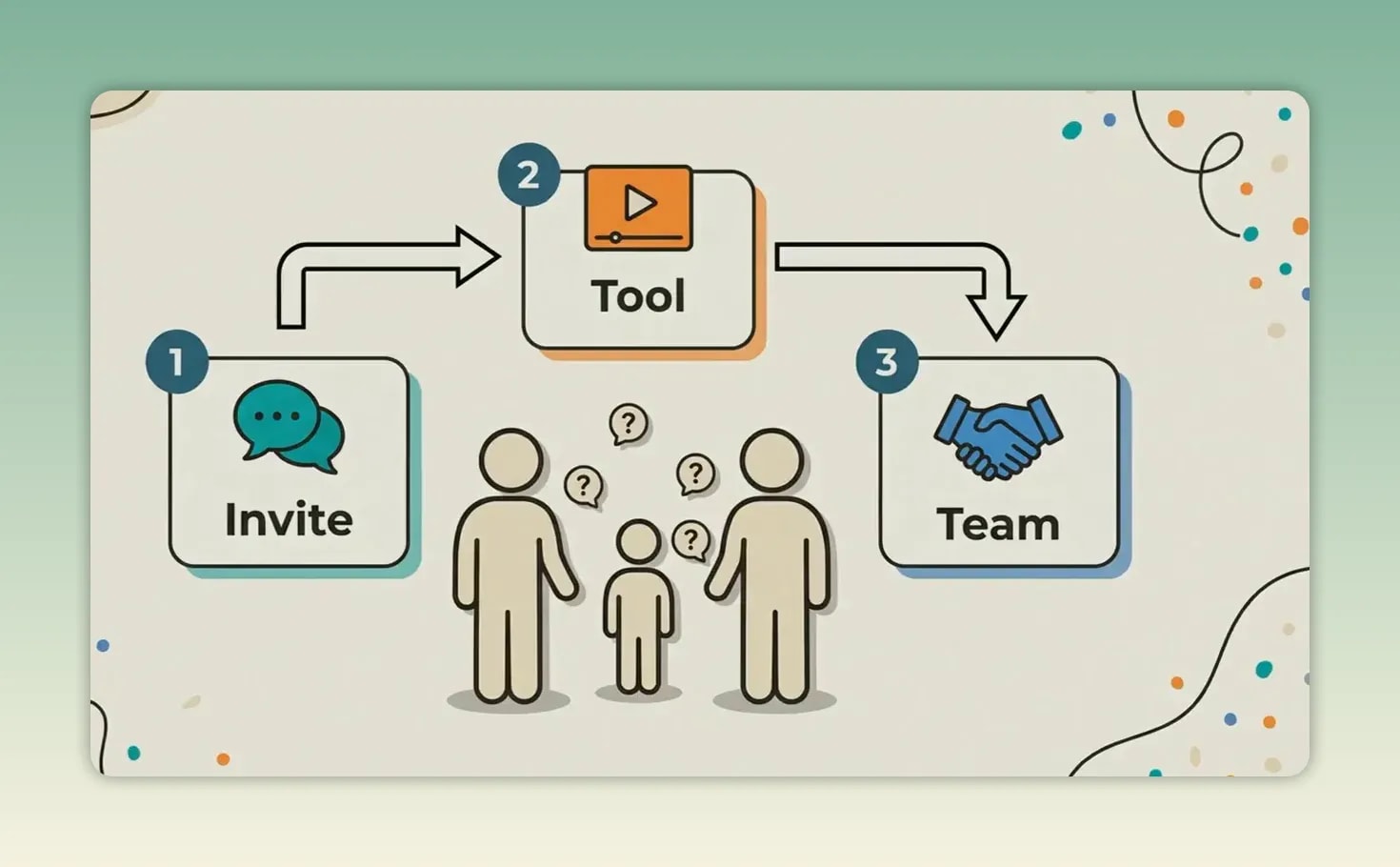
For a beginner, the process can be kept to five steps:
- Identify a suitable person: Think about people who may genuinely value the product or would be open to learning about flexible income options.
- Send one short invitation: Do not deliver a full pitch. Ask permission to share the resource.
- Share the approved tool: Give the person time to review the information without chasing them constantly.
- Schedule follow-up: Agree on a time to discuss their questions after they have seen the material.
- Connect them with the team: Use a three-way conversation when detailed information or leadership support is needed.
The process is deliberately straightforward. A system is easier to duplicate when a new person can understand it, do it correctly, and teach the same steps without becoming a high-pressure salesperson.
Why ITT can improve duplication
In network marketing, duplication means a process can be repeated by many people, not just a confident or highly skilled individual. A process is not truly duplicable if it depends on charisma, extensive product knowledge, or hours of unscripted presentations.
ITT supports duplication because the basic job description stays manageable: invite someone, share the tool, and involve the team. The new participant does not need to master every answer before taking action.
This distinction matters. A group of expert salespeople may create results, but it is difficult to reproduce. A group of people who can consistently make respectful invitations and use the same resources may have a more workable foundation.
What ITT does not solve
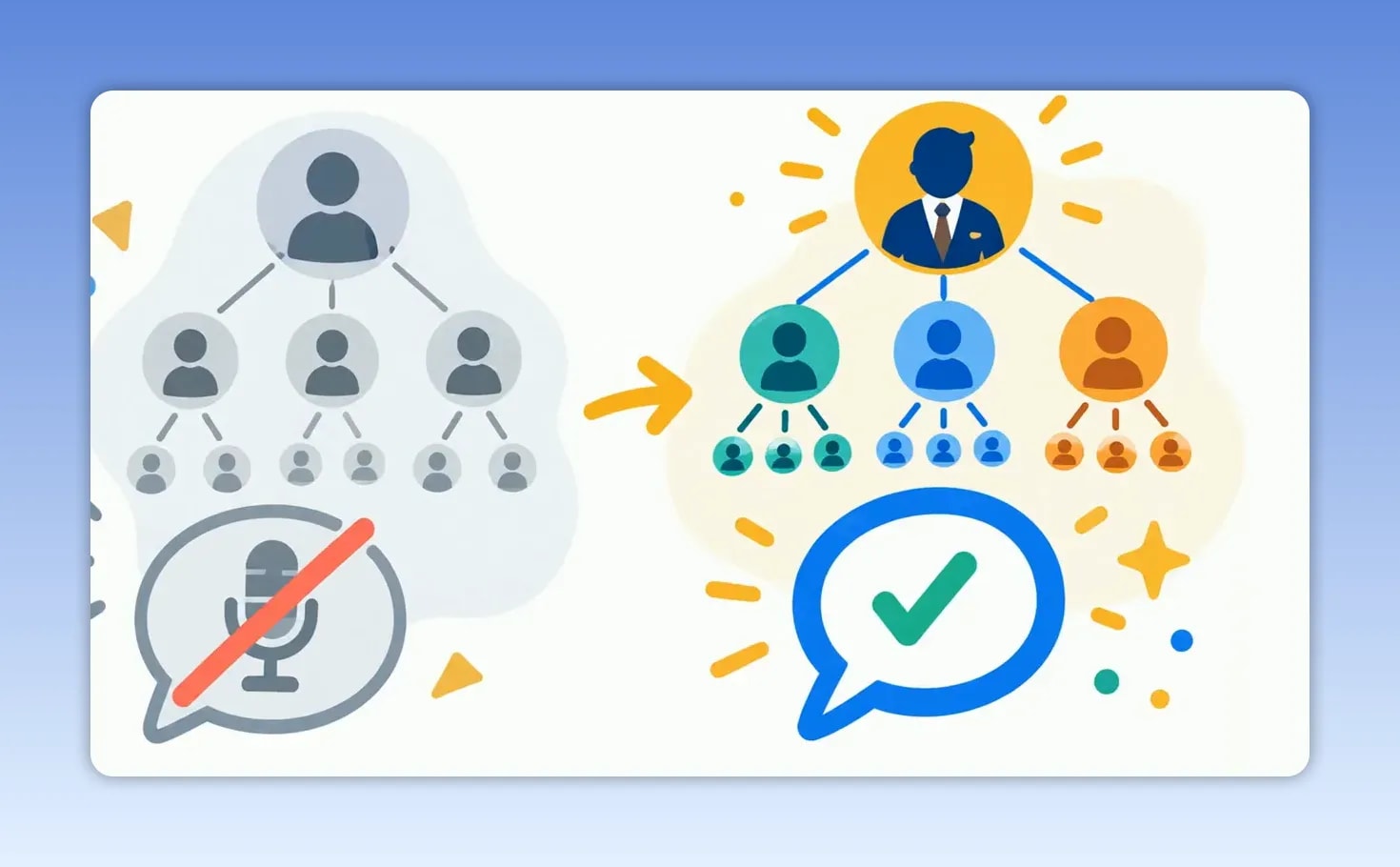
The ITT framework can make outreach and onboarding more structured, but it does not remove the need for effort, ethical conduct, or realistic expectations. No framework guarantees income, recruitment success, or long-term business results.
Before joining or promoting any network marketing opportunity, make sure you understand the company’s policies, product value, costs, and compensation plan. Be especially careful with earnings claims. The US Federal Trade Commission guidance on multi-level marketing and pyramid schemes is a useful starting point for evaluating claims and understanding potential risks.
A good process should make room for transparency. Prospects should be able to ask questions, take time to consider the information, and say no without being pressured or made to feel guilty.
Common mistakes to avoid with the ITT approach
- Turning the invitation into a pitch: The first message should create clarity and permission, not overload someone with details.
- Using vague or misleading claims: Be clear about what the resource is and avoid implying guaranteed income or effortless results.
- Sending tools without follow-up: A tool is helpful, but a respectful, agreed follow-up conversation is still needed.
- Relying on the team instead of learning: Team support is not a substitute for understanding the business, products, and compliance expectations.
- Pressuring friends and family: Protect relationships by accepting a lack of interest quickly and respectfully.
- Ignoring product value: A long-term business should be able to communicate real value beyond recruiting.
How to make network marketing fit a busy life
For parents, teachers, and coaches, sustainability matters more than trying to do everything at once. A simple, time-bounded workflow is generally more realistic than spending every spare moment messaging contacts or preparing presentations.
Consider setting clear boundaries around business activity:
- Use a short, pre-planned block of time for invitations and follow-up.
- Keep family meals, work responsibilities, and rest time protected.
- Use approved information tools rather than repeatedly creating new explanations.
- Track conversations simply so follow-up does not become chaotic.
- Focus on serving interested people instead of persuading reluctant ones.
For a broader approach to building an income activity without adopting burnout-driven habits, see this guide to building simple systems instead of following hustle culture.
Do You Want to Learn How To Earn an Additional Income?
Start Owning Your Life
Building a system instead of creating another job
The central idea behind Invite, Tool, Team is that a network marketing business should not require every participant to become a polished closer immediately. A short invitation, a reliable information resource, and accessible team support create a more structured path.
That structure can reduce pressure on personal relationships, give beginners a clearer first action, and make the process more feasible alongside a demanding job or family schedule. It should still be used with care, transparency, and realistic expectations.
If you are starting from scratch, practical guidance on invitations, follow-up, and consistent activity can help you establish better habits from the outset. Explore these network marketing tips for beginners for a more detailed foundation.
Frequently Asked Questions
What does ITT stand for in network marketing?
ITT stands for Invite, Tool, Team. It is a workflow in which someone makes a brief invitation, shares a standard information resource, and uses experienced team support for detailed questions.
Is the ITT framework a sales script?
No. The framework is a process, not a single script. The invitation can be brief and consistent, while the tool and team handle the more detailed explanation.
Why should new network marketers use a tool?
A tool provides a consistent explanation of the products and business model. It reduces the chance that a new participant will overwhelm prospects or give incomplete information while still learning.
Can the ITT approach guarantee success in network marketing?
No. Results vary based on the company, product, costs, effort, skills, market conditions, and many other factors. The ITT approach is intended to make the process simpler and more repeatable, not to guarantee income.

Ready to Unlock Your Ultimate Potential—and an Additional Income?
Sign up today to instantly receive the first four chapters of our Biohack Your Life™ to “Own Your Life” ebook for free!
True biohacking isn’t just about optimizing your body and mind; it’s about claiming total autonomy over your time and your finances. If you're ready to boost your daily energy, sharpen your focus, and discover how to build an additional income, it’s time to take control.