Skip to content


Network marketing is one of those industries that can spark instant curiosity and instant scepticism in the same breath. It is huge, it is controversial, and it is often misunderstood.
At its core, though, the model is much simpler than people make it out to be. The real question is not just what network marketing is, but why some people treat it like a gimmick while others build something meaningful with it.
What network marketing actually is
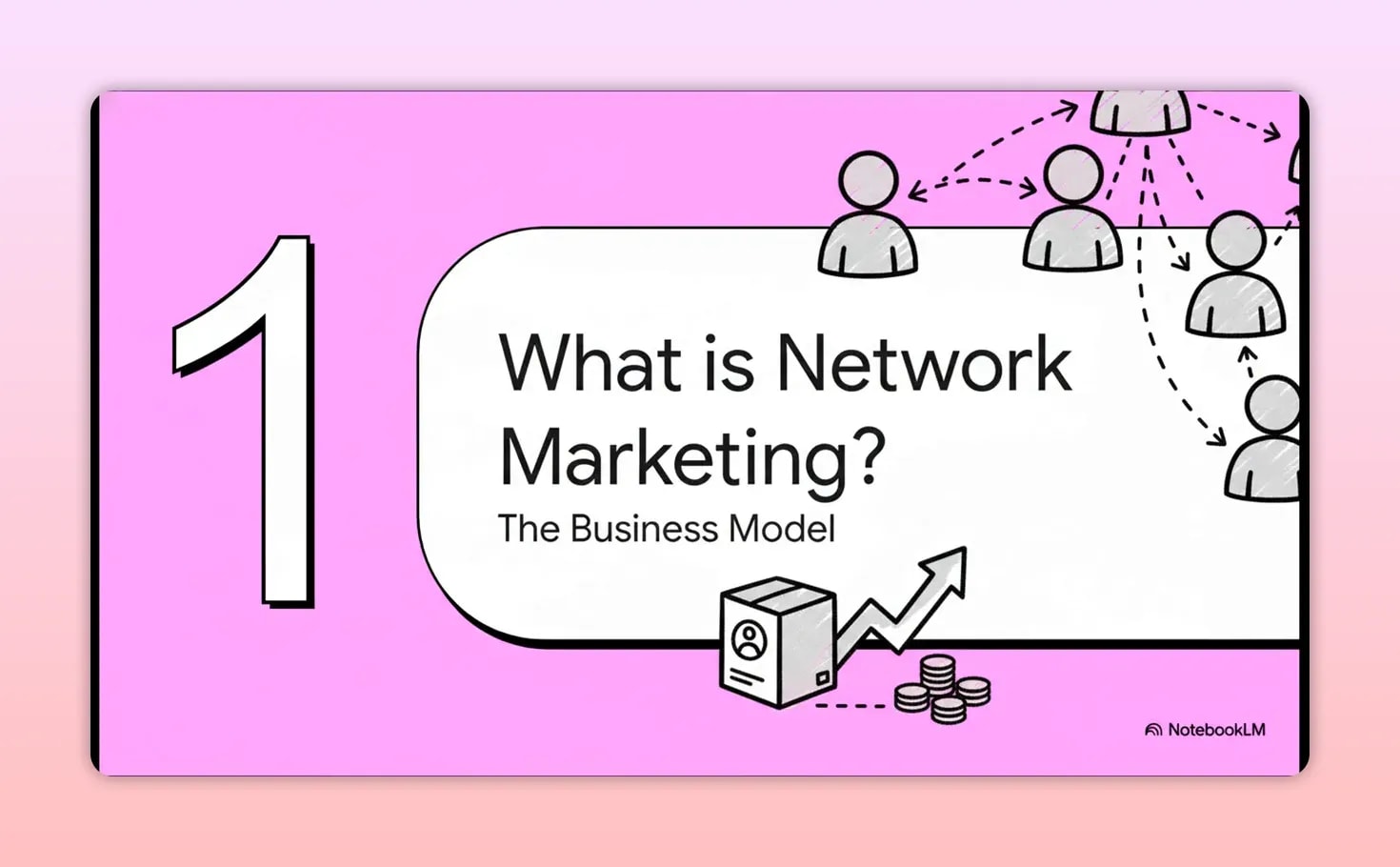
Strip away the hype and the noise, and network marketing is simply a distribution model.
Instead of relying mainly on traditional retail shelves and large advertising campaigns, companies use independent distributors to introduce products to other people. In plain English, it is structured word of mouth. People share products they use, like, and recommend, and the company rewards that activity through commissions when products are sold.
That distinction matters. This is not meant to be some mysterious side economy operating in the shadows. It is a business system built around personal recommendation rather than mass media.
The scale of the industry also catches a lot of people off guard. We are not talking about a fringe idea. The conversation highlighted that network marketing generates roughly $200 billion a year, which puts it in the company of very large global industries.
Even more striking is the amount paid out in commissions. The figure discussed was around $200 million every day. Whether that number surprises you or not, it makes one thing clear: serious money does move through this space.

The pyramid question everyone asks
You cannot have an honest conversation about network marketing without dealing with the biggest objection first.
Is it a pyramid scheme?
The cleanest way to answer that is to look at what activity actually creates the payout.
In a legitimate network marketing company, people are not supposed to be paid simply for bringing in new recruits. The compensation comes when products move to real customers. That is the line that separates a lawful product-based model from a recruitment-driven scheme.
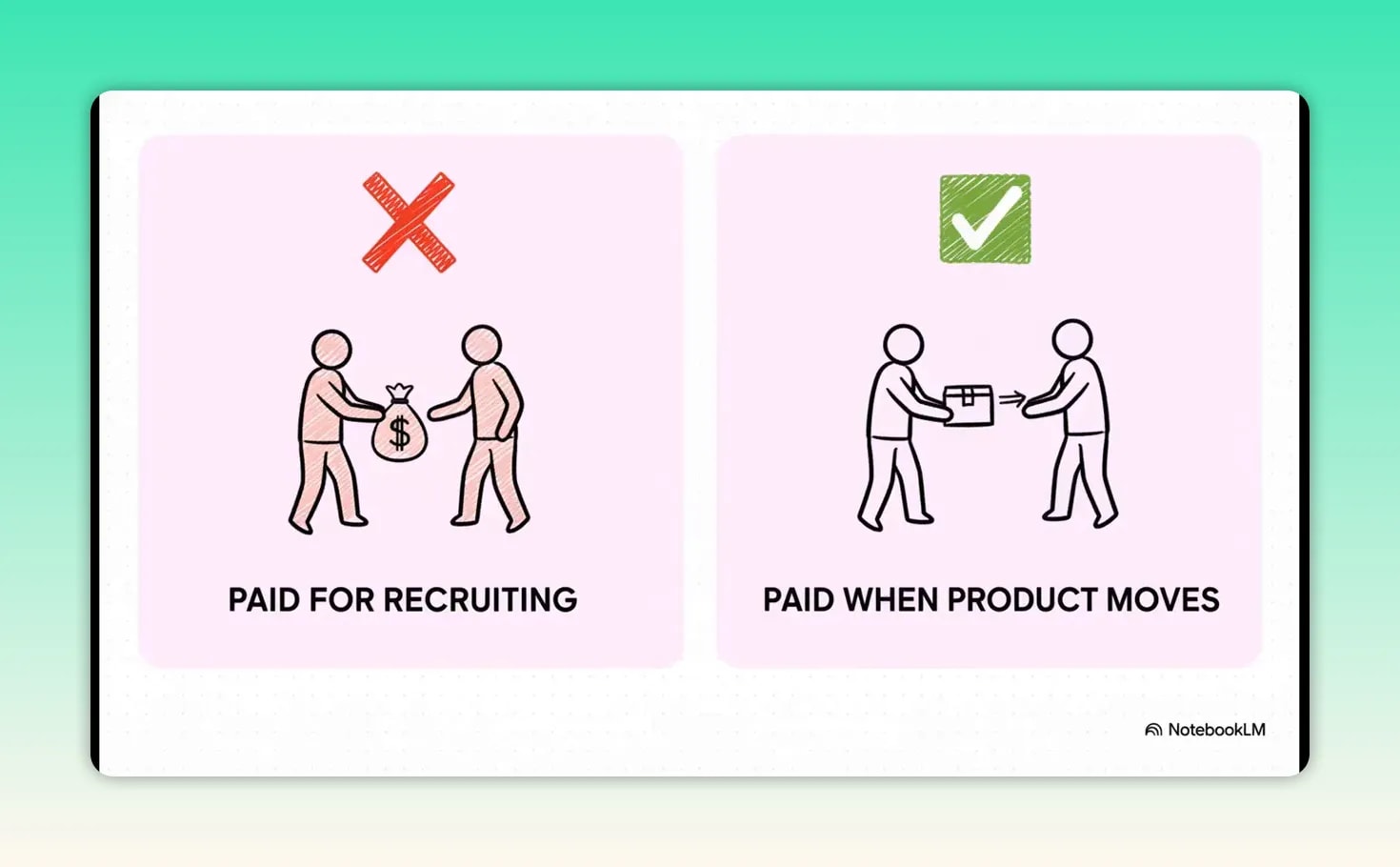
That does not mean every company in the space is automatically trustworthy. It means the first thing to examine is the compensation structure. If there is no real product demand and the emphasis is mainly on enrolling bodies, that should set off alarms.
If you want a neutral reference point on how pyramid schemes are generally defined, the US Federal Trade Commission offers a helpful overview.
Why the industry has earned some of its bad reputation
Here is where the conversation gets refreshingly honest.
A lot of the damage done to network marketing did not come from outsiders. It came from insiders who oversold the dream and undersold the work.
When distributors present the business like an effortless shortcut to wealth, they create a fantasy. Then people join, realise there is actual learning involved, actual rejection, actual effort, and the whole thing crashes into disappointment.
That gap between expectation and reality is where resentment grows.
That is a useful lesson whether you ever touch network marketing or not. Any business model sounds dangerous when it is sold as easy money. The minute someone treats entrepreneurship like a scratch card, caution is wise.
Why people are still drawn to network marketing
So why do people keep joining?
Because it speaks to something very real: the desire for self-reliance and ownership.
Many people want more control over their time, income, and direction. They want to build something of their own. The problem is that a traditional business can demand a lot upfront. Capital, inventory, staff, systems, overhead, and a healthy appetite for risk all show up early.
Network marketing appeals to people because it lowers the entry barrier. It offers a way to test an entrepreneurial path without immediately taking on the full weight of starting from zero.
That does not make it easy. It makes it accessible.
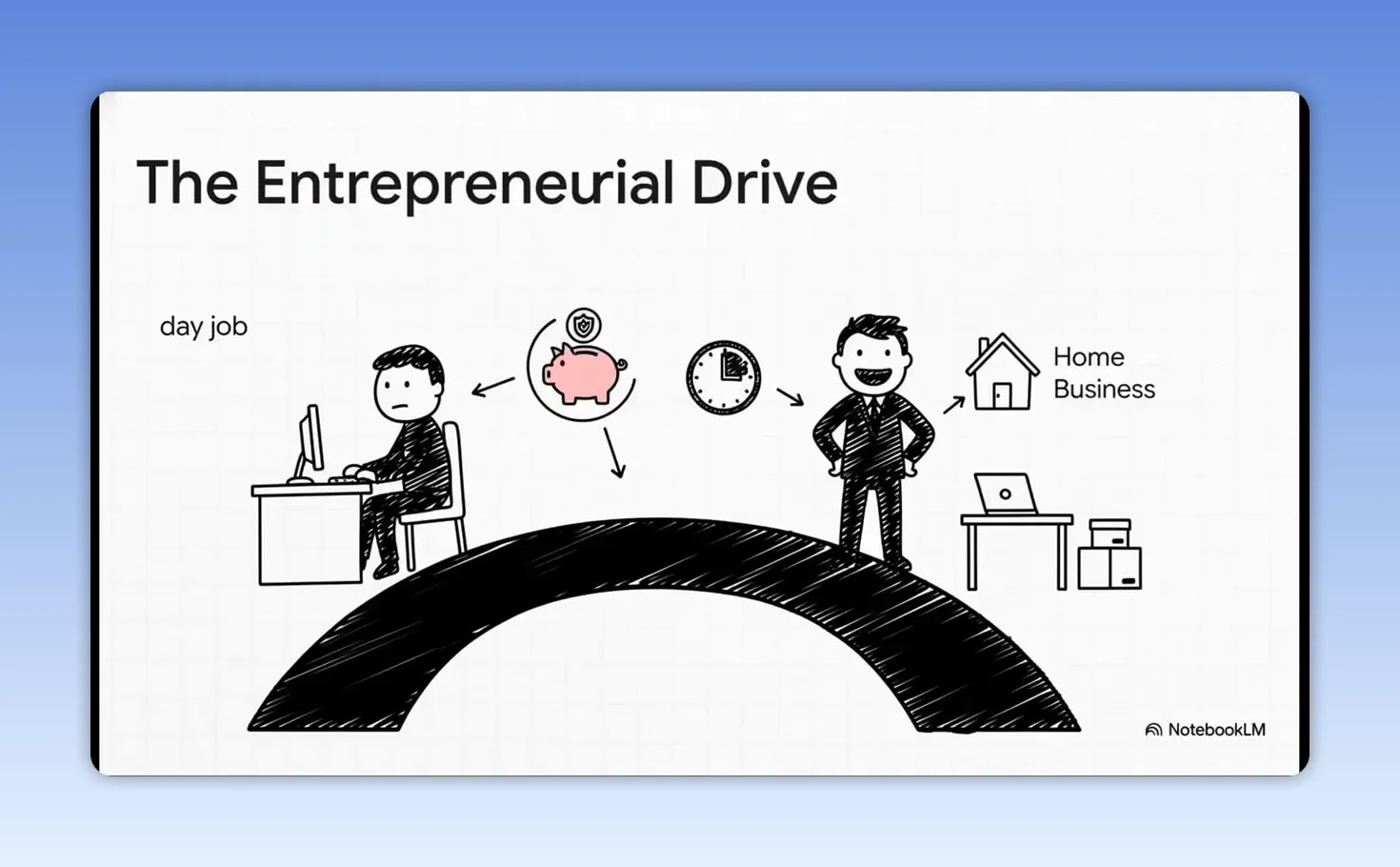
That accessibility is a big deal for people who cannot afford to blow up their current life just to chase an idea. If someone can begin part time, put in five to ten hours a week, and learn the fundamentals while keeping their job, the model becomes easier to consider.
This is also why network marketing is often discussed alongside the broader idea of the entrepreneurial mindset. It gives people a chance to exercise business muscles before taking on the risks of a larger venture.
Do You Want to Learn How To Earn an Additional Income?
Start Owning Your Life
Amateurs vs professionals: the split that changes everything
This is where the whole subject gets much more interesting.
The real separator is not the compensation plan. It is not the product category. It is not even timing.
It is the approach.
The contrast laid out between amateurs and professionals is sharp, and honestly, it applies far beyond network marketing.
What amateurs do
Amateurs tend to operate with a lottery-ticket mentality. They are looking for quick luck. They chase. They pressure. They treat every conversation like a trap that must end in a sign-up.
That creates desperation, and desperation is easy to feel.
What professionals do
Professionals treat network marketing like an actual profession. That means they learn the craft, they respect the process, and they stop trying to corner people.
Instead of hunting, they educate.
Their goal is not to force a yes. Their goal is to help someone understand the product or opportunity clearly enough to make their own decision. That is a massive shift.
When you frame the work this way, the business starts to look less like a hustle and more like a discipline based on communication, posture, and consistency.
How to become a professional in network marketing
The path described is straightforward, but that does not mean effortless.
It works like this:
- Make the decision to operate as a professional rather than a hopeful dabbler.
- Develop skills because confidence does not appear by magic. It usually follows competence.
- Take action even before you feel fully ready.
- Build confidence through repetition and results.
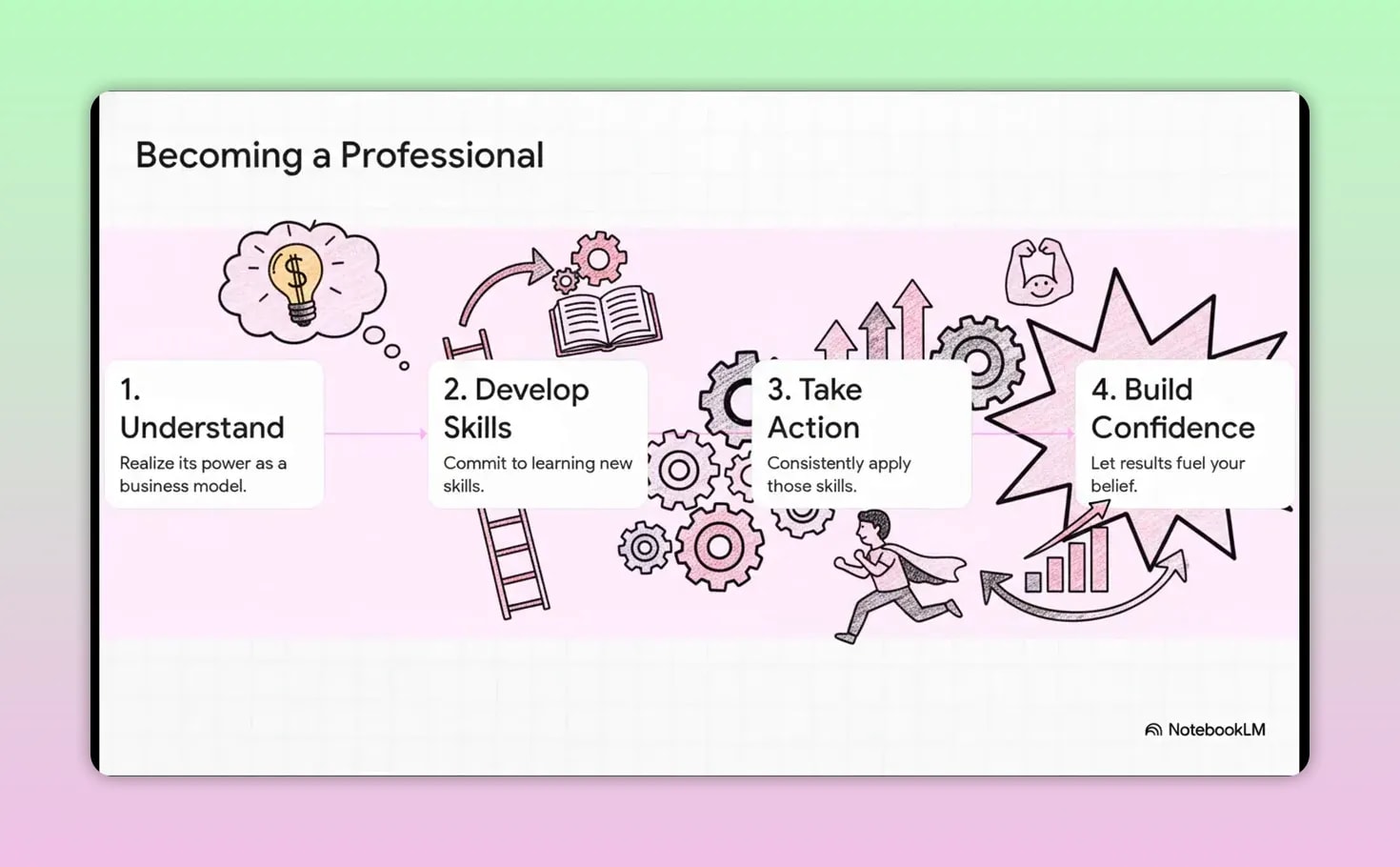
What makes this useful is that it creates an upward spiral. Skills increase confidence. Confidence makes action easier. Action produces feedback and occasional wins. Those wins reinforce belief and make the next round easier.
Most people want confidence first, but in practice, confidence often arrives after repeated action, not before it.
The mindset that drives real success
If there is one word that captures the success mindset described here, it is hunger.
Not greed. Not wishful thinking. Hunger.

This kind of hunger is deeper than wanting a few extra pounds or dollars. It is about wanting a different life strongly enough to keep going when progress feels slow.
It can show up as:
- a desire for personal growth
- a need for more time freedom
- a wish to make a bigger impact
- a determination to stop living small
That point about thinking too small is powerful. One of the clearest lessons from the discussion was that belief matters, and it matters early. If someone keeps shrinking their own potential, second-guessing every move, and showing up half-committed, the business will usually mirror that hesitation.
Conviction changes posture. It changes communication. It changes how consistently a person follows through.
That does not mean pretending to be someone you are not. It means growing into a stronger level of belief faster instead of waiting years to act like you belong in the room.
Is network marketing perfect? No. Is it accessible? Yes.
No serious take on network marketing should pretend the industry is flawless. It is not.
There are weak operators, inflated promises, and plenty of people who enter with no intention of treating it like a business. All of that is real.
But there is another side to the story. For the average person with entrepreneurial instincts, limited capital, and a desire to build additional income without launching a traditional company from scratch, network marketing can look like a more reachable starting point than many alternatives.
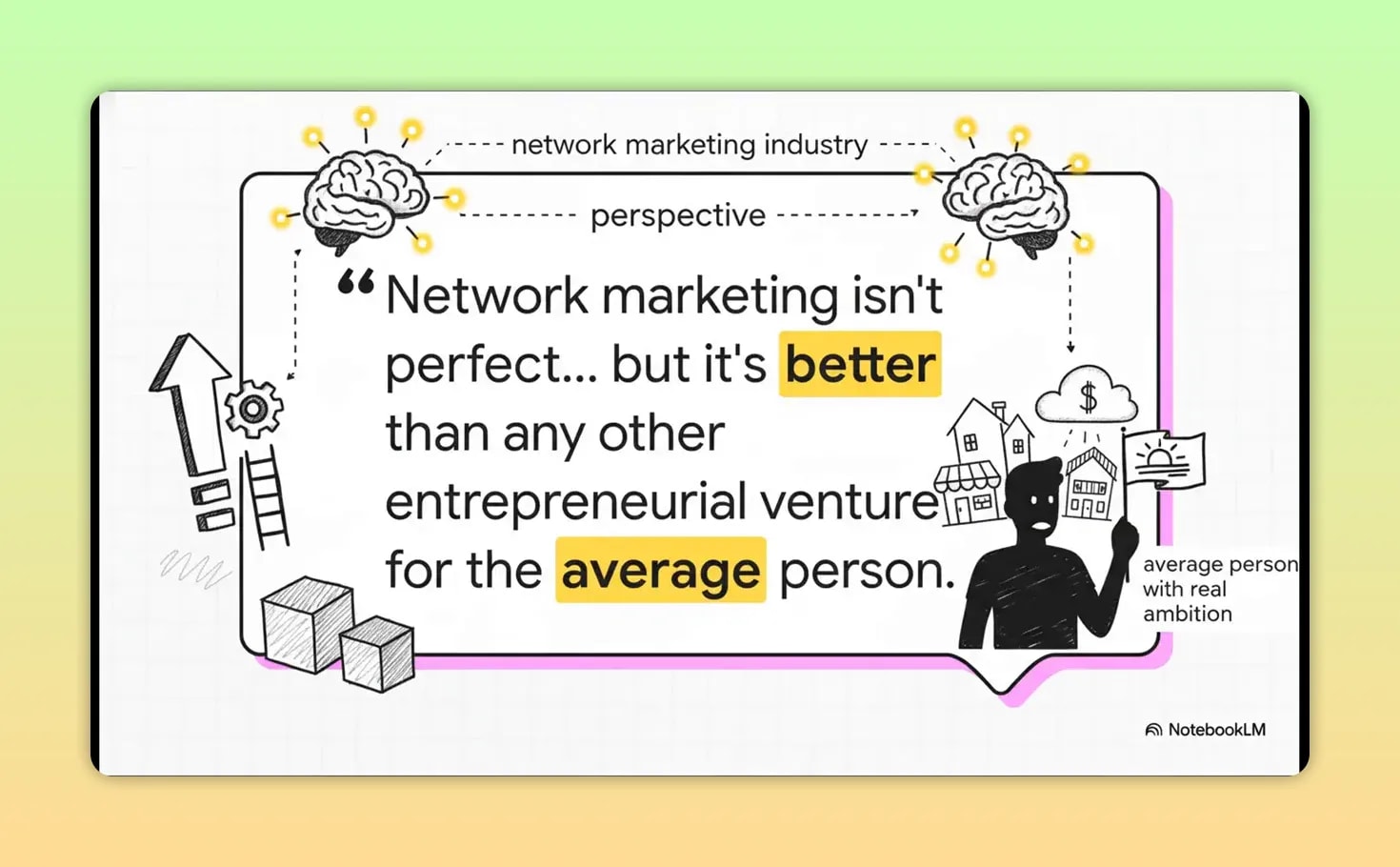
That is really the core idea. Not perfect. Potentially practical.
The real secret: model or mindset?
By the end of this conversation, the bigger question becomes obvious.
Is success in network marketing mainly about the model, or is it about the mindset brought into the model?
The answer leans heavily toward mindset.
The framework can give someone access. It can offer leverage. It can reduce the startup barrier. But none of that replaces professionalism, skill development, honesty, patience, and genuine hunger.
Without those, the model gets blamed for problems that really come from the approach.
With those, the same model can become a training ground for entrepreneurship, communication, resilience, and long-term income building.
If you are exploring network marketing for beginners, that is probably the most useful takeaway of all. Do not just ask whether the vehicle exists. Ask whether you are prepared to operate like a professional inside it.

Ready to Unlock Your Ultimate Potential—and an Additional Income?
Sign up today to instantly receive the first four chapters of our Biohack Your Life™ to “Own Your Life” ebook for free!
True biohacking isn’t just about optimizing your body and mind; it’s about claiming total autonomy over your time and your finances. If you're ready to boost your daily energy, sharpen your focus, and discover how to build an additional income, it’s time to take control.