Skip to content


Ever feel like you’re working harder and harder, yet financially you’re somehow still in the same place? That feeling is more common than people admit.
The real issue usually is not effort. It is strategy. Jim Rohn’s wealth philosophy points to a simple but powerful truth: most people are chasing money, while wealthy people are building structures that attract it.
That is the hidden message. Wealth is less about hustle alone and more about design.
Why money seems to keep running away
For a lot of people, money feels slippery. You earn it, bills take it, lifestyle fills the gaps, and before long you are back at zero waiting for the next paycheque.
Rohn’s perspective cuts straight through that frustration. The wealthy are not necessarily smarter, luckier, or working harder than everyone else. The difference is that they are playing a different game.
They focus on architecture.
You can live as a piece inside someone else’s system, trading hours for income. Or you can start becoming the architect who designs systems that generate income beyond your direct labour.
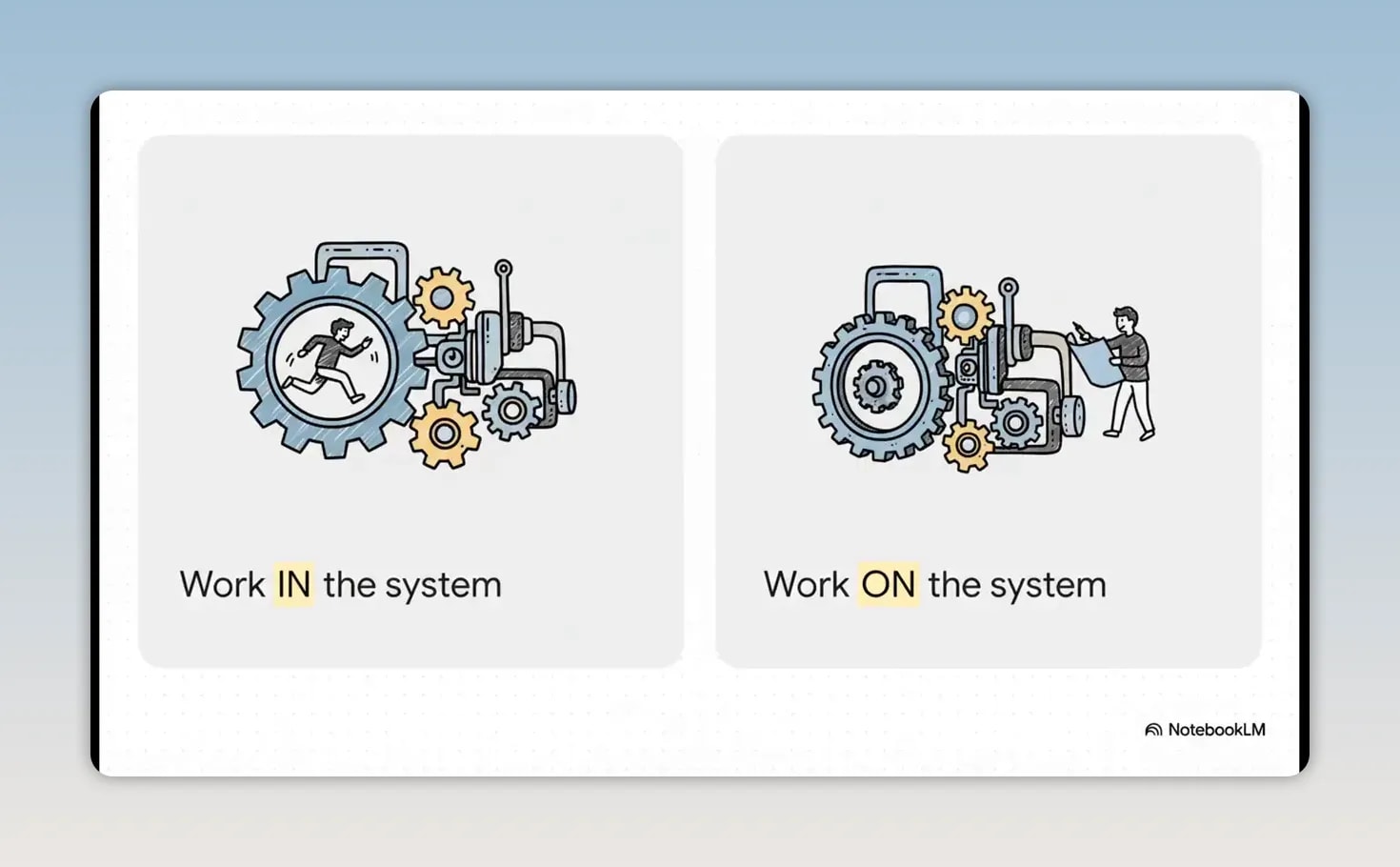
That one mental shift changes the whole conversation around money. Instead of asking, How can I work more? you start asking, How can I build better?
The paycheck trap
A paycheque feels safe because it is predictable. Money comes in on schedule. Bills get paid. Life keeps moving.
But there is a hidden ceiling built into that arrangement. If your income is directly tied to the number of hours you can work, your earning power is capped by time. And time is a fixed resource. Everyone gets the same 24 hours.
That is the trap.
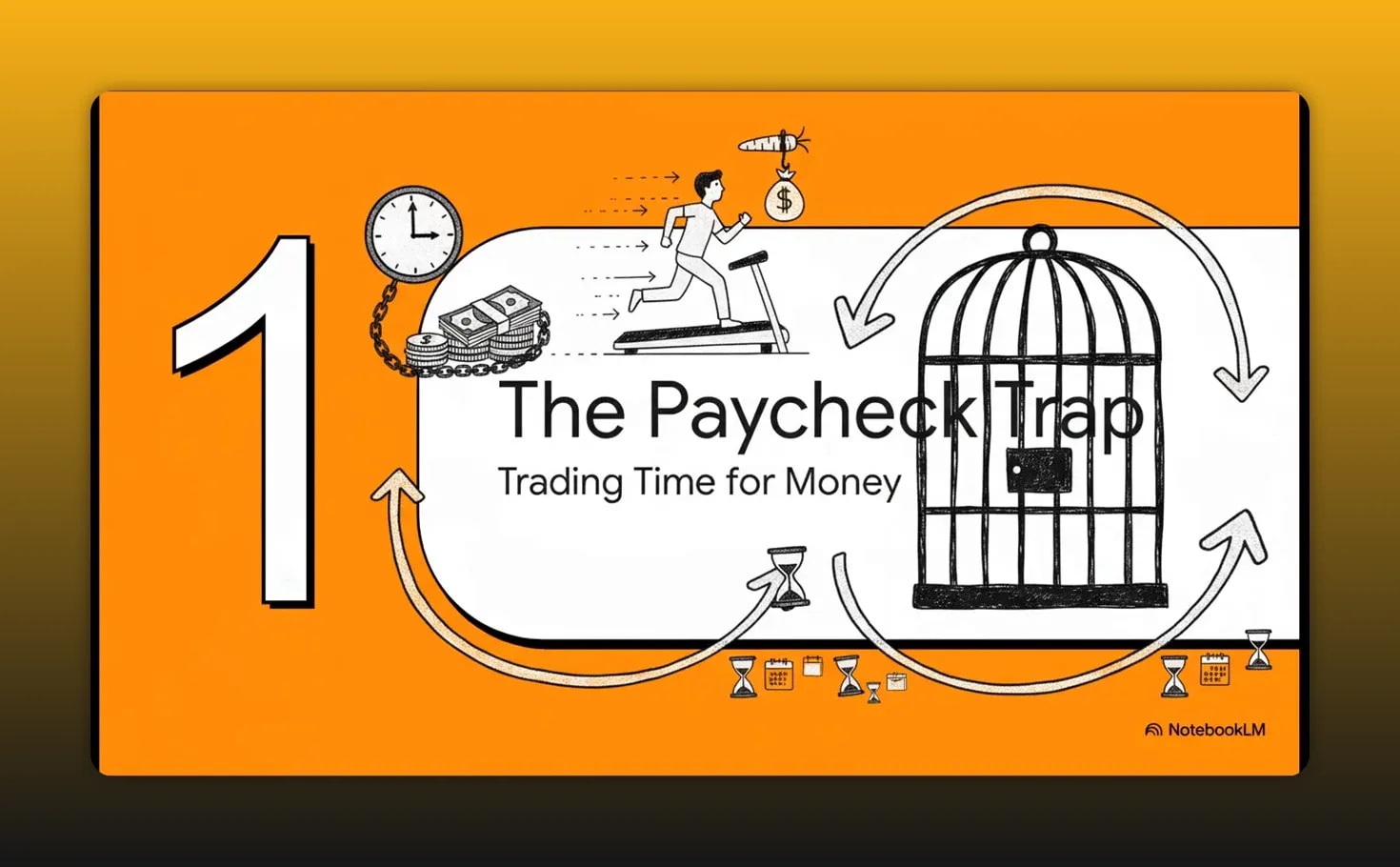
Rohn captured this beautifully with one sharp idea: every payday, most people fire all their workers.
At first that sounds strange. But once it clicks, it is hard to unsee.
Every dollar is an employee
Think of every dollar you earn as a tiny employee.
- If you spend it, that employee is gone.
- If you invest it, that employee goes out to recruit more employees.
That is the difference between consumption and compounding.
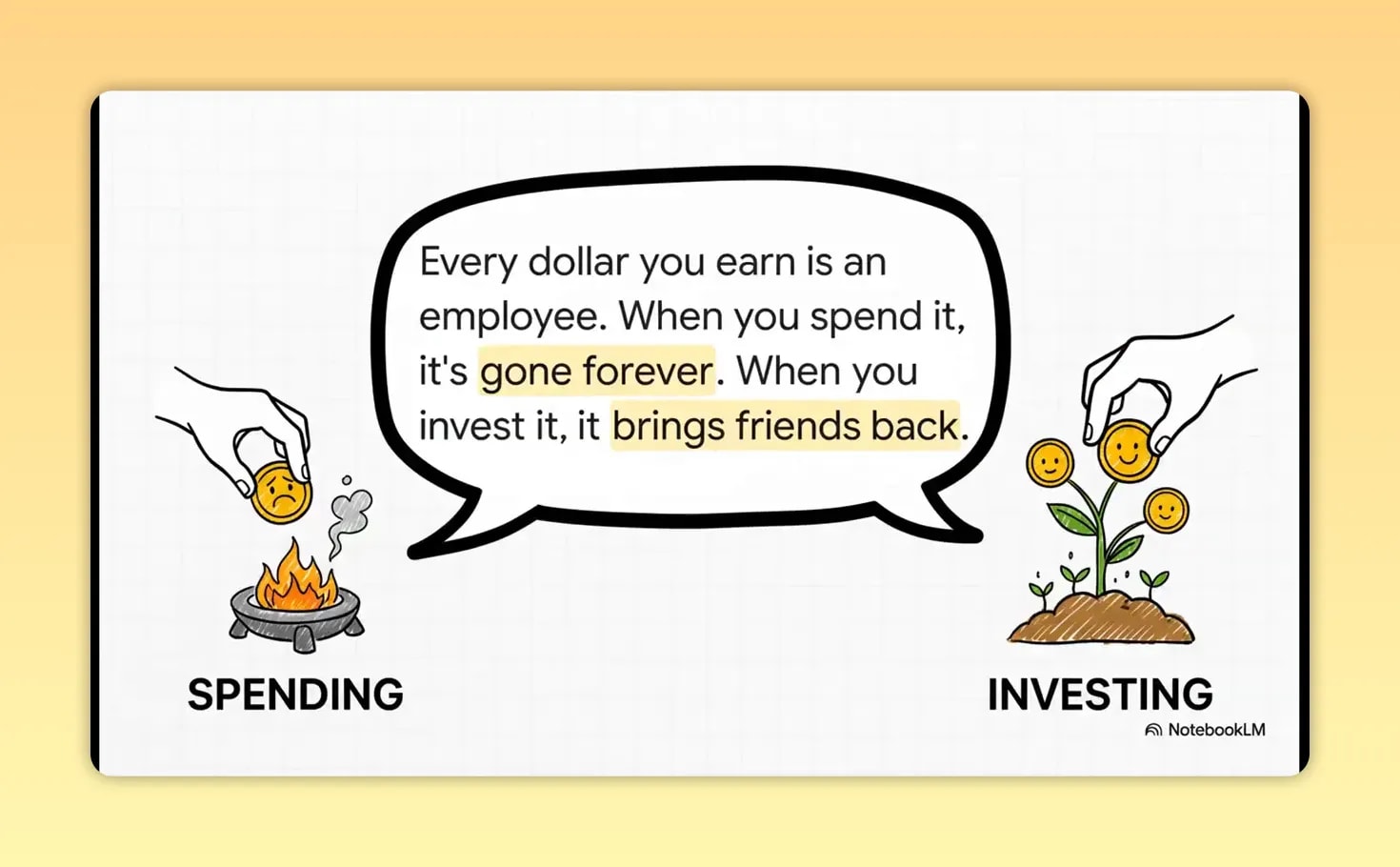
Spending is not always wrong, obviously. You need food, housing, transport, and the practical things that make life function. But if every single dollar only flows outward and never returns with help, you stay trapped in a cycle where your own labour must constantly rescue your finances.
That leads to an uncomfortable but necessary question: if your income stops the moment you stop working, is money serving you, or are you serving money?
That question is worth sitting with.
The architect’s mindset
If the paycheque trap is the problem, the answer is to think like an architect.
An architect does not just react. An architect designs. Plans. Builds. Improves. That same mindset applies to wealth.
Instead of only trying to earn more this week, you begin creating cash-flowing systems that can produce income with less day to day involvement from you.
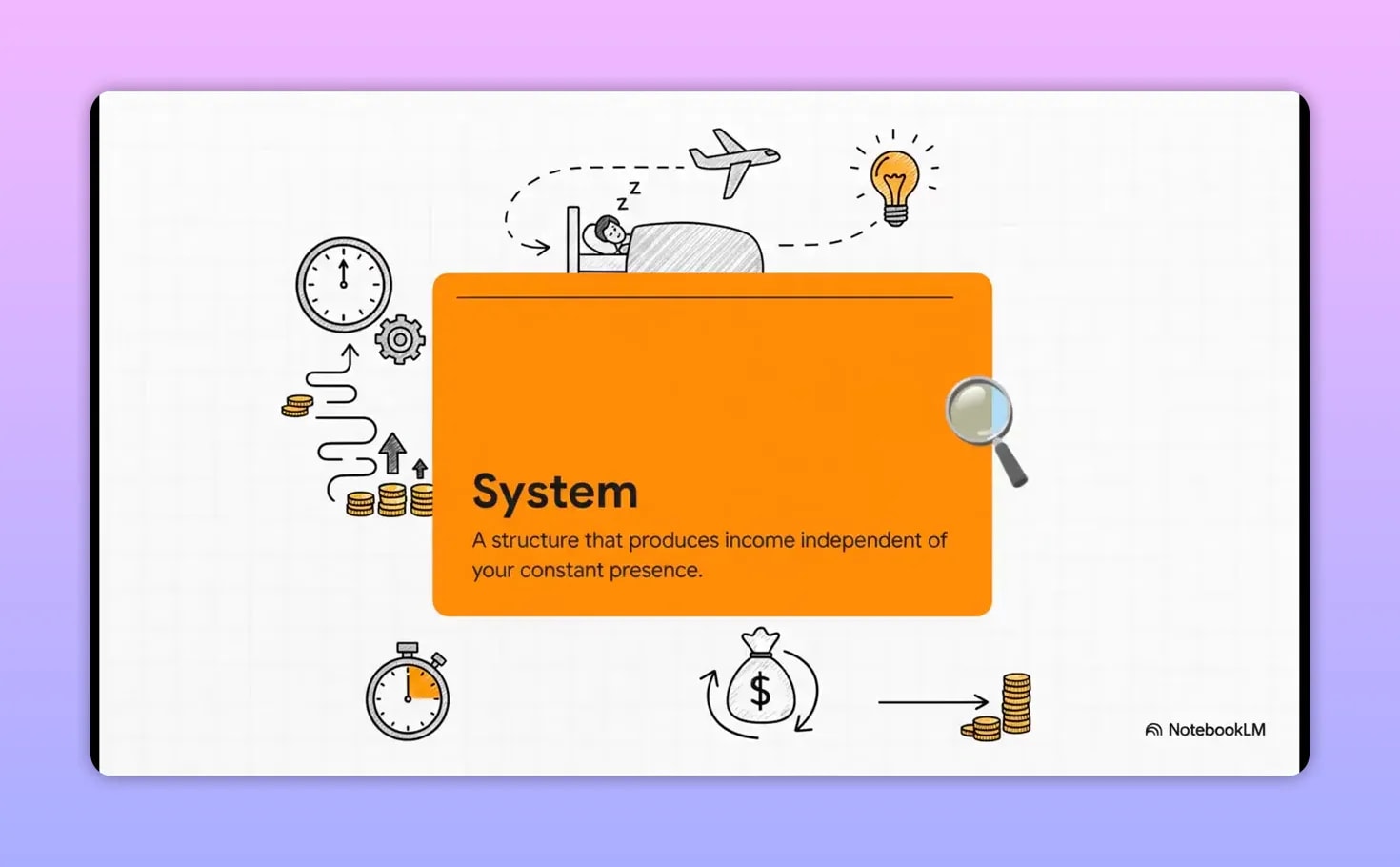
What a system actually is
A system is any structure that can generate income without requiring your constant presence.
That can take different forms:
- A vending machine business
- A business with automated checkout
- An investment portfolio that compounds over time
- A digital course that continues selling while you are offline
Different vehicle, same principle: separate income from the strict one-to-one exchange of hours for pounds.
A salary can solve this week’s problems. It can cover this month’s bills. But a system is built to last longer than a single pay cycle.
That is why the better goal is not dependency on the next cheque. It is durable design.
For deeper reading on how assets differ from liabilities, Investopedia’s guide to assets is a useful starting point.
Do You Want to Learn How To Earn an Additional Income?
Start Owning Your Life
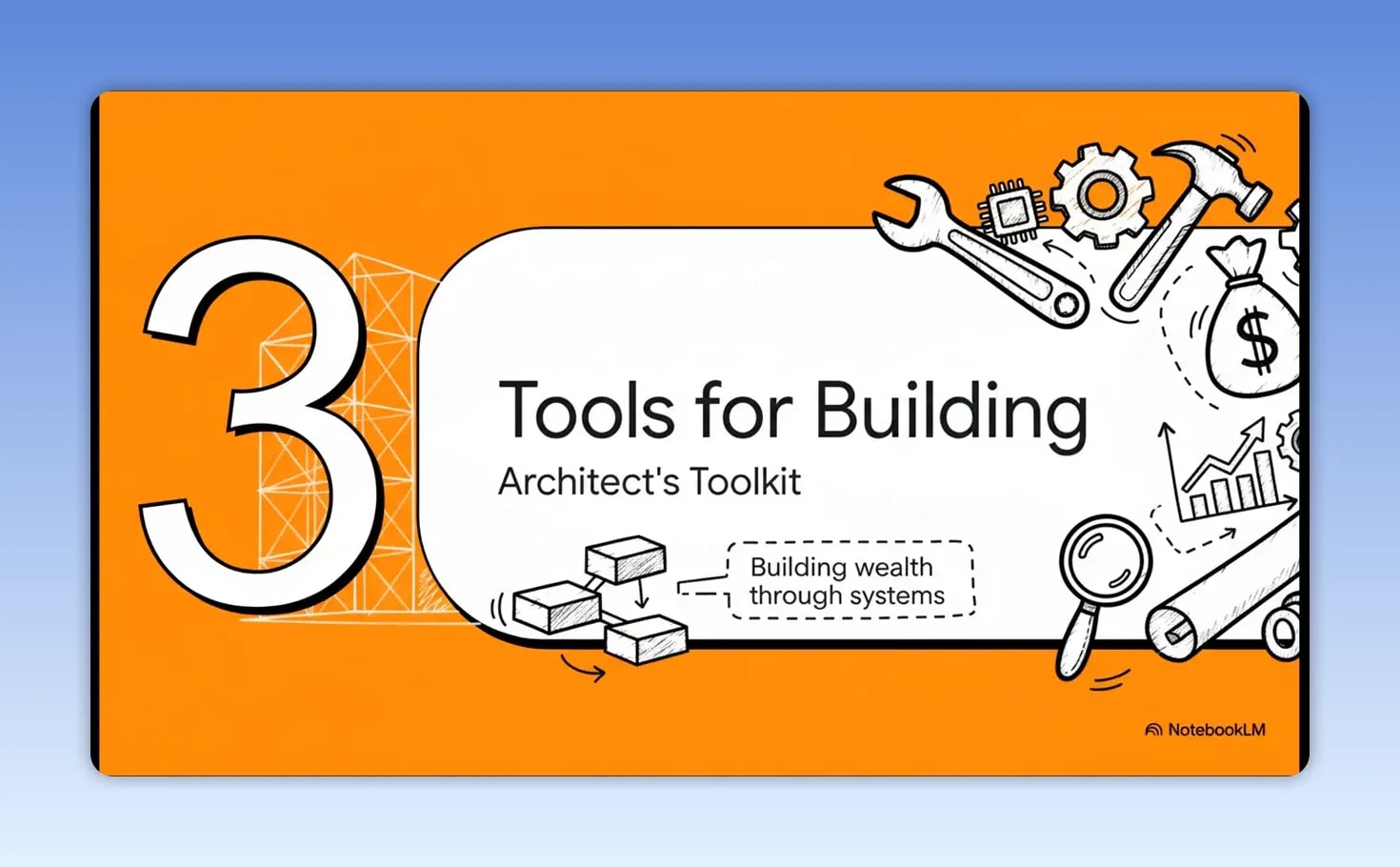
The architect’s toolkit: 3 practical tools for building wealth systems
Understanding the philosophy is one thing. Building something real requires tools. Three stand out here: leverage, cash flow mastery, and reinvestment.
1. Leverage
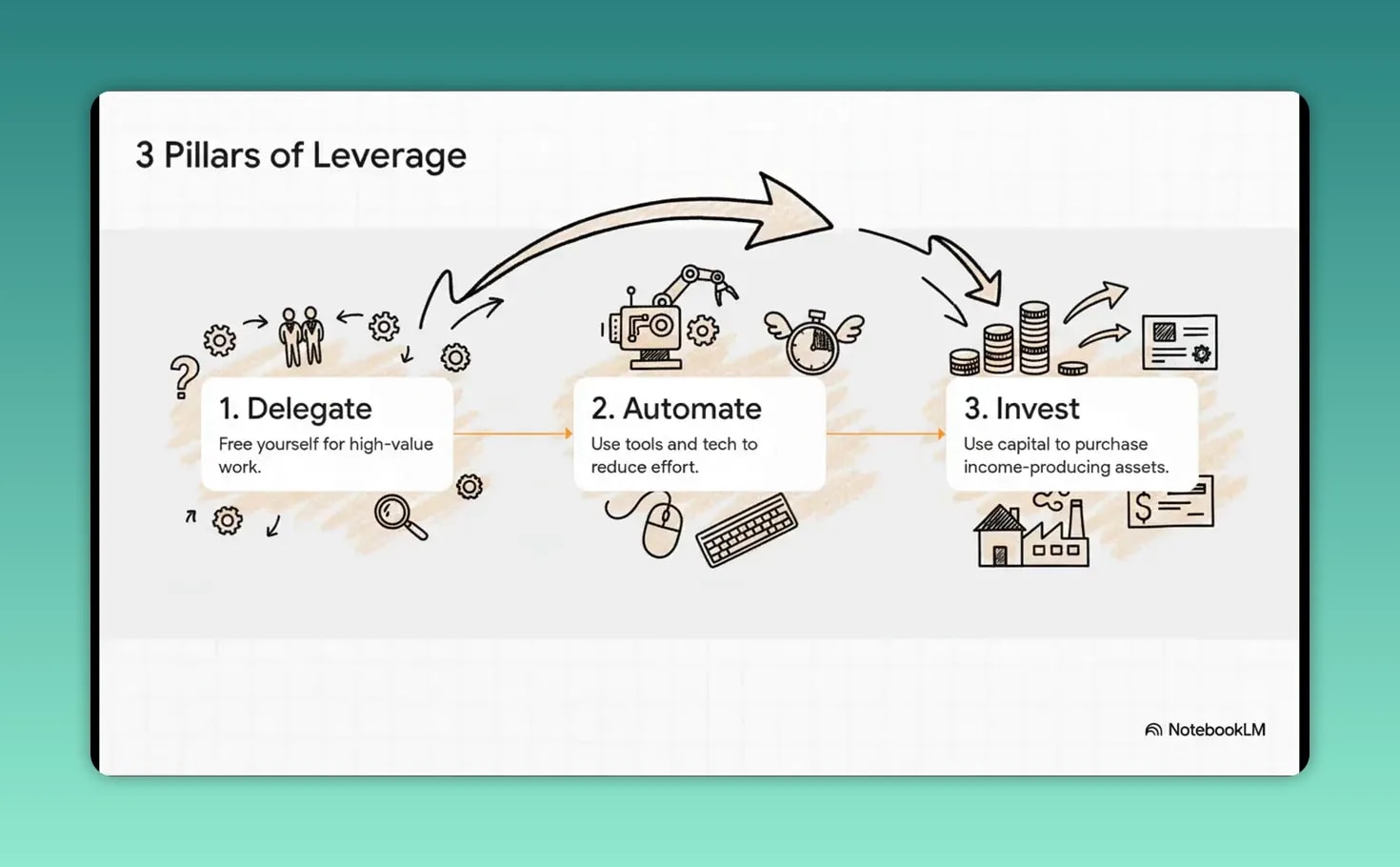
Leverage means amplifying your effort so that results are not limited to what your own two hands can produce.
In practical terms, that means three things:
- Delegate tasks to other people when it makes sense
- Automate repetitive work using technology
- Invest capital into assets that can work on your behalf
Your labour can absolutely earn you a living. But leverage is what allows effort to multiply into something much bigger.
This is why business owners build teams, why online businesses use automated systems, and why investors care so much about putting capital into productive assets. Leverage creates reach beyond personal effort.
If you want a practical overview of automation ideas in business, Zapier’s business automation guide is a helpful reference.
2. Cash flow mastery
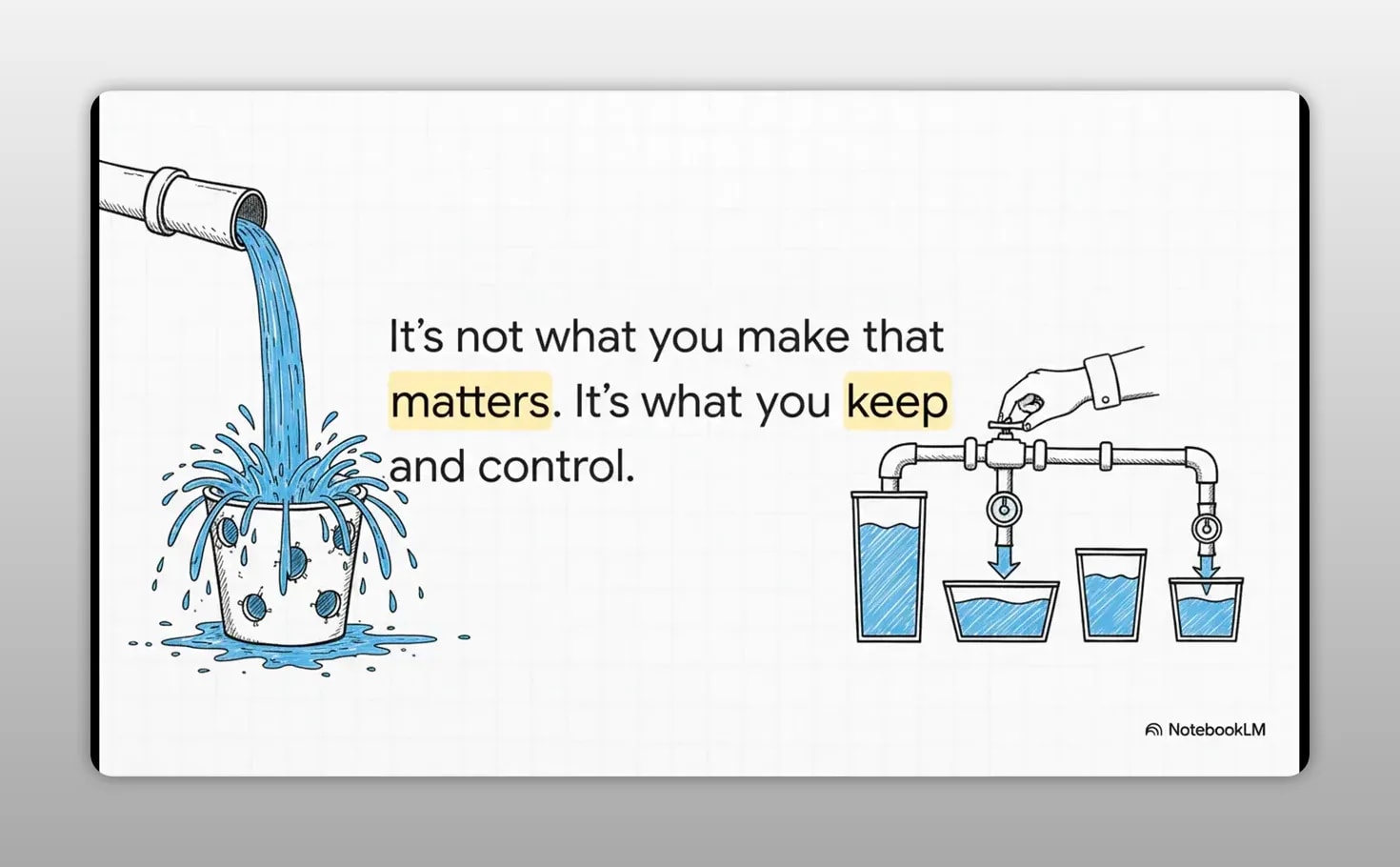
This is where many people miss the point. They obsess over what they make and ignore what they keep.
But growth without control is just chaos.
You can earn more and still feel broke if your outflow expands just as fast as your income. That is why cash flow matters so much. You need clarity before you can build anything sustainable.
A simple cash flow sheet can be surprisingly powerful. Track every pound coming in and every pound going out. When you do that honestly, patterns jump out fast.
- Forgotten subscriptions
- Impulse purchases
- Categories where spending quietly balloons
- Leaks that have been draining capacity for months
That visibility gives you control. And control gives you options.
3. Reinvestment
This is the engine that turns good money habits into real wealth-building momentum.
Reinvestment means taking part of your cash flow and directing it into assets that can produce even more cash flow. That creates a compounding loop.
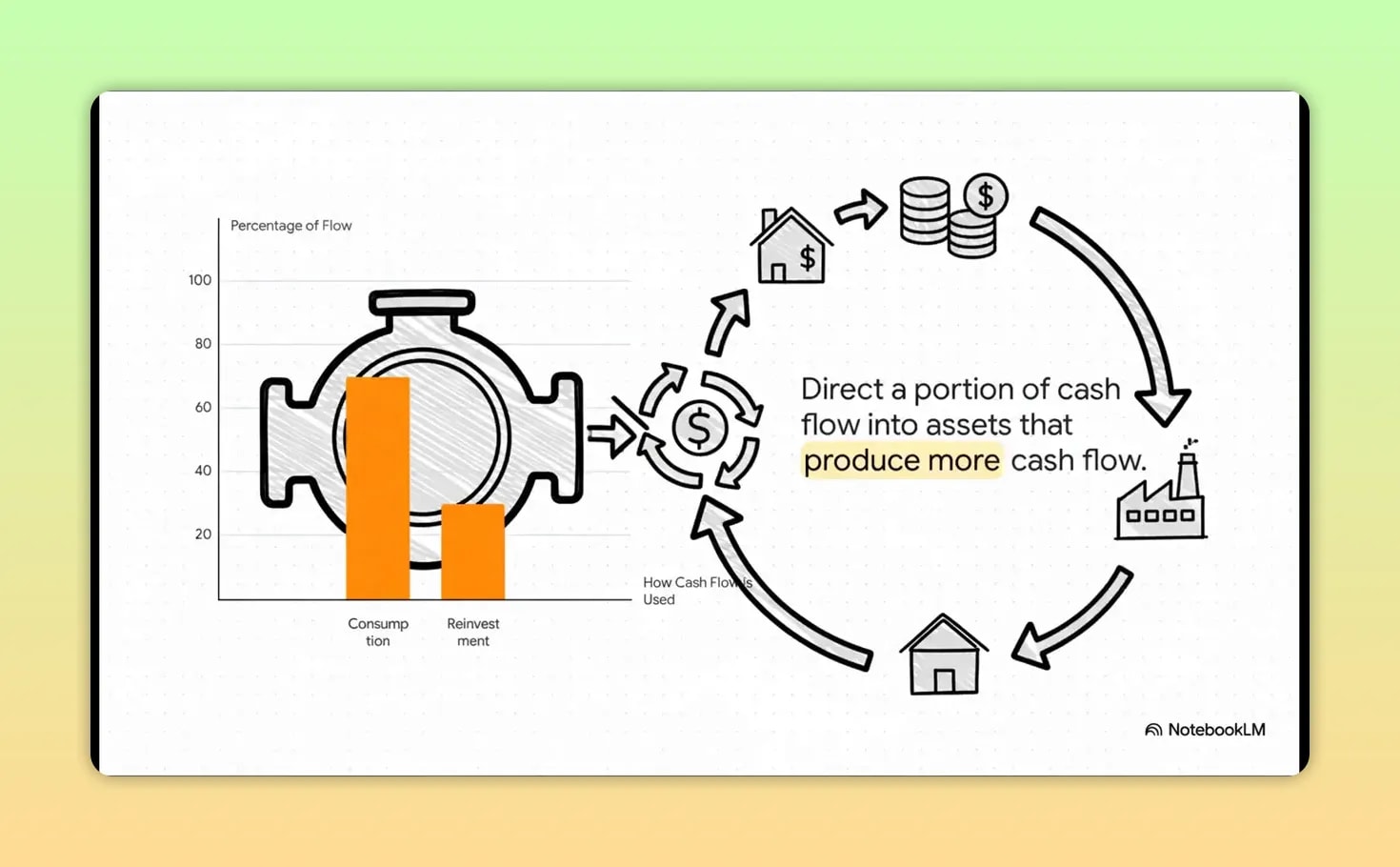
The temptation, of course, is lifestyle inflation. A little more income shows up, and suddenly the mind starts reaching for a nicer car, a bigger house, or upgrades that mainly impress other people.
But real wealth is not built by feeding appearances. It is built by feeding assets.
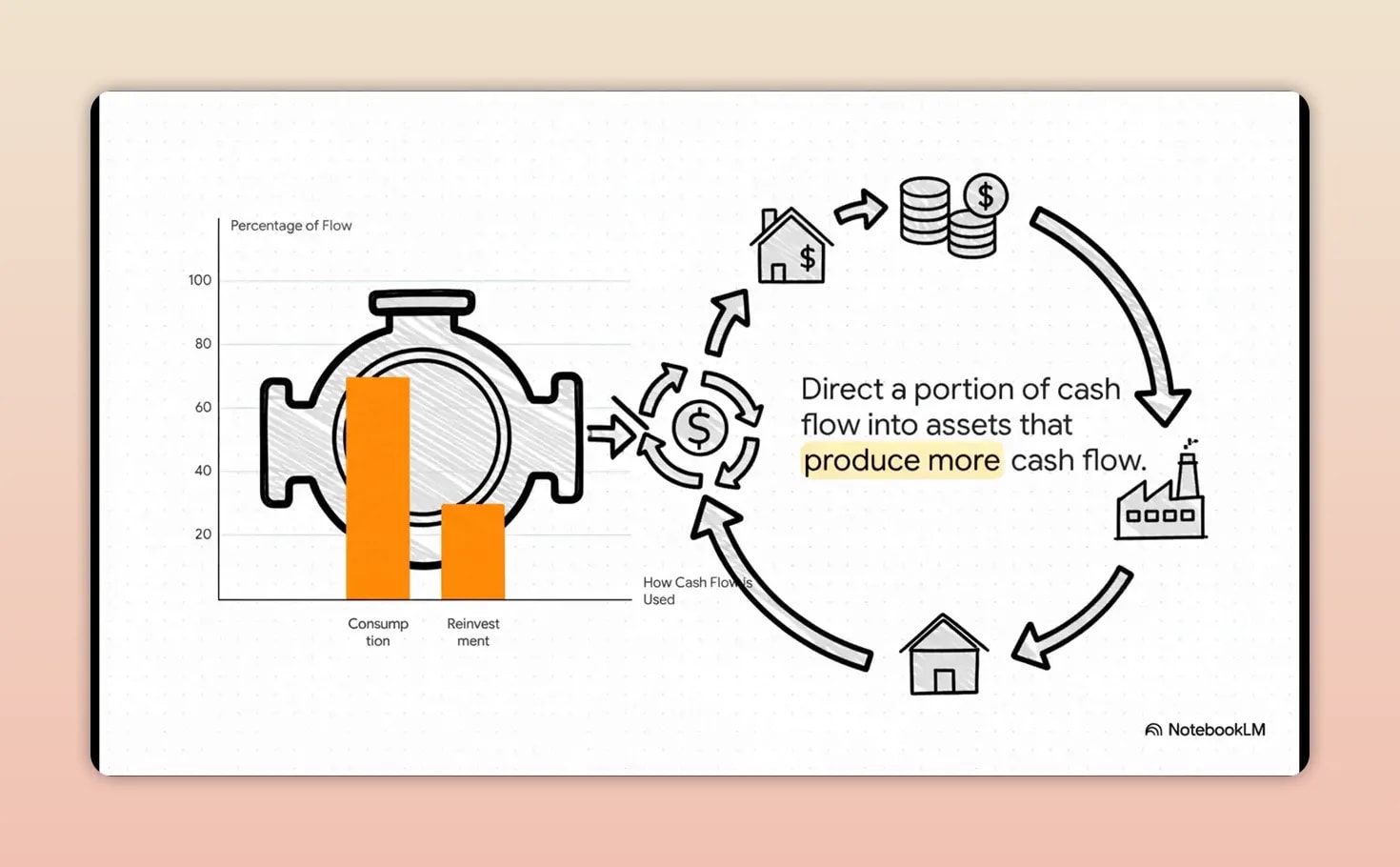
Every reinvested dollar becomes another worker inside your system. That is how the machine gets stronger over time.
Beyond wealth: designing freedom
The end goal is not just stacking a bigger bank balance. It is designing a life with more freedom, more resilience, and more choice.
That means building something sturdy enough that one job, one client, or one stream of income does not control your whole financial reality.
Multiple streams of income create resilience. Systems reduce dependence on constant effort. Assets buy back time.
Think of it like building a boat for rough seas. When the economy gets uncertain, when industries shift, or when personal circumstances change, a fragile setup starts leaking fast. But a well-designed system can keep you steady.
This is what financial resilience really looks like:
- Less dependence on one source of income
- More ownership of your time
- Greater ability to absorb setbacks
- A path toward long-term freedom instead of permanent survival mode
If you are exploring the idea of multiple income streams, the NerdWallet overview of passive income ideas can help expand the concept, with the reminder that every model still takes effort, planning, or capital to build.
What labour can do, and what it cannot
Your own labour matters. It can keep you afloat. It can earn you a living. It can create the initial fuel you need.
But labour alone has limits.

Lasting wealth comes from multiplying effort through systems, leverage, and capital. That is how you get out of the trap of constantly exchanging time for money.
This is not about avoiding work. It is about making work count more.
The real legacy is multiplication
There is one final idea here that goes beyond money itself.
Money you save can grow. But knowledge you share can grow exponentially.
The highest form of wealth is not just building systems for yourself. It is teaching other people how to build them too. That moves the conversation from accumulation to multiplication.
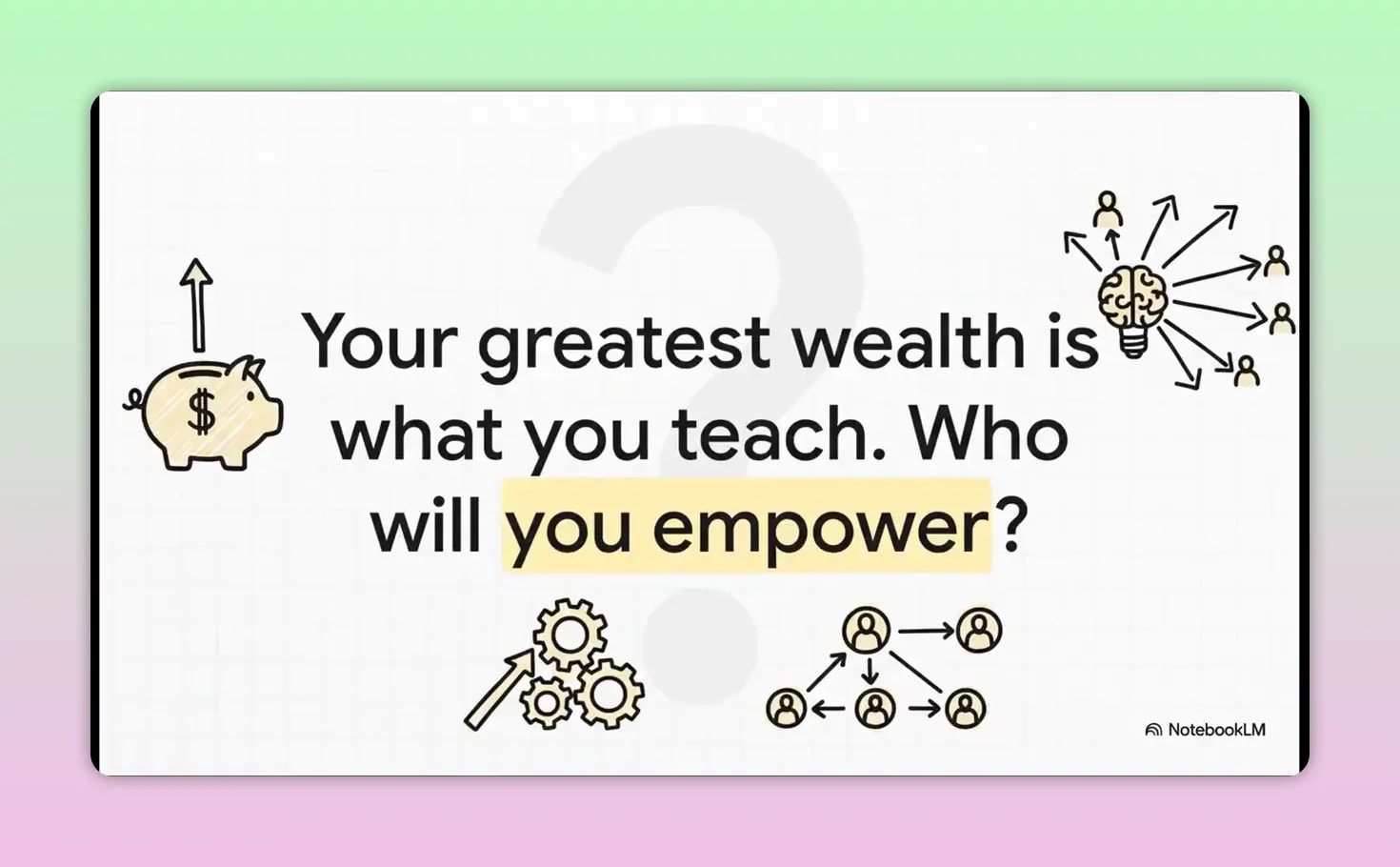
So the question is not only what kind of income system you will create.
The question is also this: who will be stronger because you learned how to do it well?
That is where wealth stops being personal and starts becoming generational.

Ready to Unlock Your Ultimate Potential—and an Additional Income?
Sign up today to instantly receive the first four chapters of our Biohack Your Life™ to “Own Your Life” ebook for free!
True biohacking isn’t just about optimizing your body and mind; it’s about claiming total autonomy over your time and your finances. If you're ready to boost your daily energy, sharpen your focus, and discover how to build an additional income, it’s time to take control.