Skip to content


You sign up five or ten people. You send the training videos, explain the compensation plan, walk through the product details, and make yourself available for every question.
Then it goes quiet.
That silence is not necessarily a sign that people are lazy, uncommitted, or incapable. It is often a sign that the system asked them to learn too much before it asked them to do anything.
The core problem is simple: most leaders try to become better teachers when they need to become better tool givers. If your team only moves when you are explaining, presenting, following up, and rescuing every conversation, you are not building duplication. You are building a job for yourself.
The Duplication Trap: When Training Stops People Taking Action
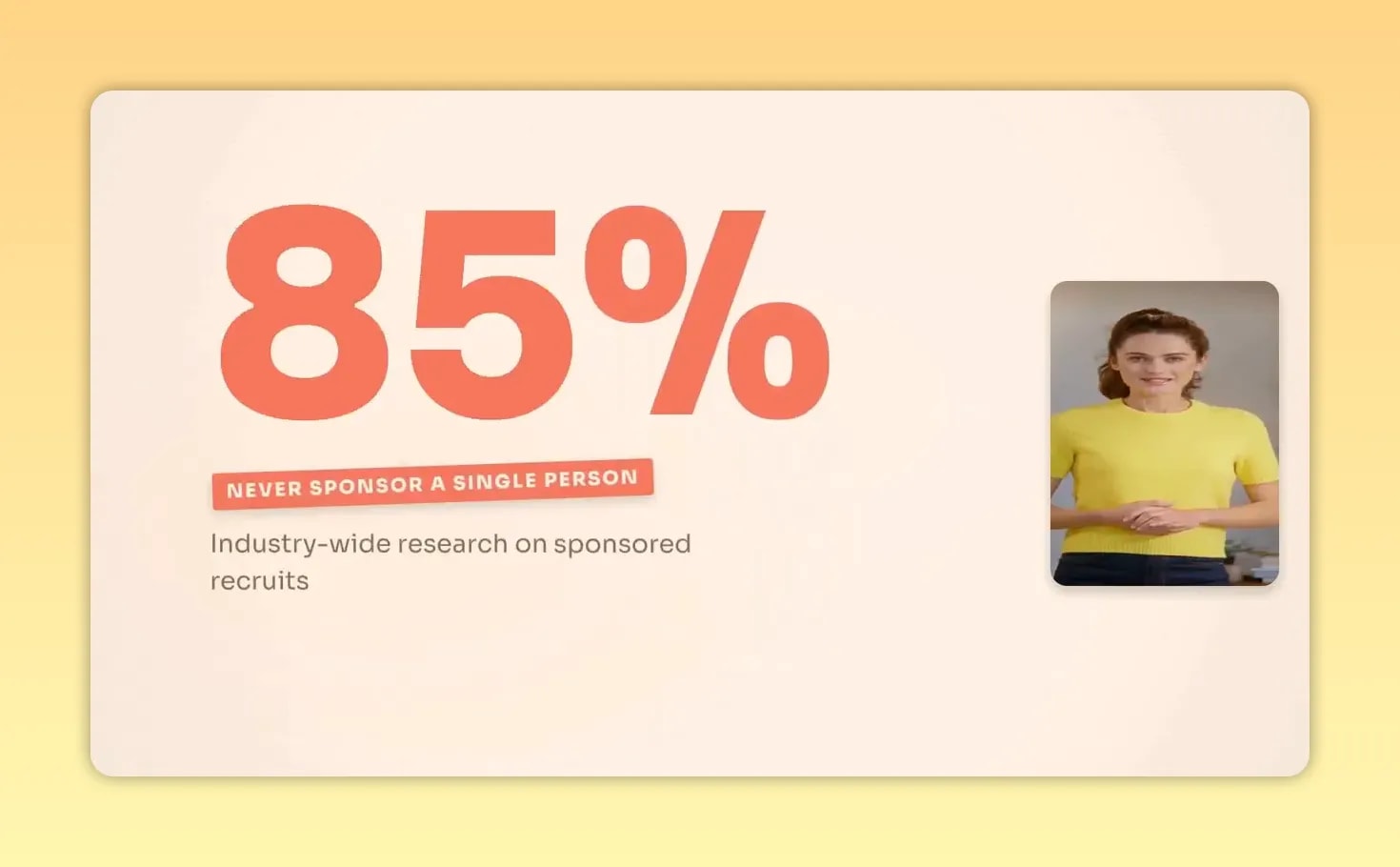
Across the industry, the numbers are sobering. It is commonly said that around 85% of people you sponsor will never sponsor another person. Many leave within the first year, and most are gone within five years.
The important question is not, “Why are people failing?” It is, “What does the system make easy for an ordinary person to do?”
Many new people get hit with an information avalanche in their first 24 hours:
- A long product training library
- A detailed compensation-plan walkthrough
- Three-hour onboarding calls
- Scripts, systems, apps, and terminology
- A demand to become an expert before speaking to anyone
That approach feels helpful because you are working hard. But it can put a wall between a new person and the first invite they need to send.
A new person is usually at their most enthusiastic on day one. They are ready to act, tell someone, and move. Yet too often, that window gets spent consuming training. By day three, the business feels complicated, their momentum is gone, and action never starts.
Enthusiasm on fire is more useful than knowledge on ice. Someone who is excited and willing to show a simple tool to one person can create far more momentum than someone who knows every product ingredient but has not started a single conversation.
Don Failla’s Lesson: Stop Being the Business
Don Failla began in network marketing in 1967 after working as an IHOP manager. He did not win because he was a naturally gifted salesperson or because he could give the longest presentation. He won because he realised that his own effort had become the bottleneck.
Early on, he spent hours explaining the business, products, and pay plan to every new person. The process was exhausting for him and overwhelming for the person sitting across from him.
Failla reportedly personally sponsored only four people who were responsible for 95% of his eventual 1.4 million-person organisation. Yet even with only four direct recruits, he was still trapped in the middle of conversations throughout those lines. If he was unavailable, the presentation did not happen.
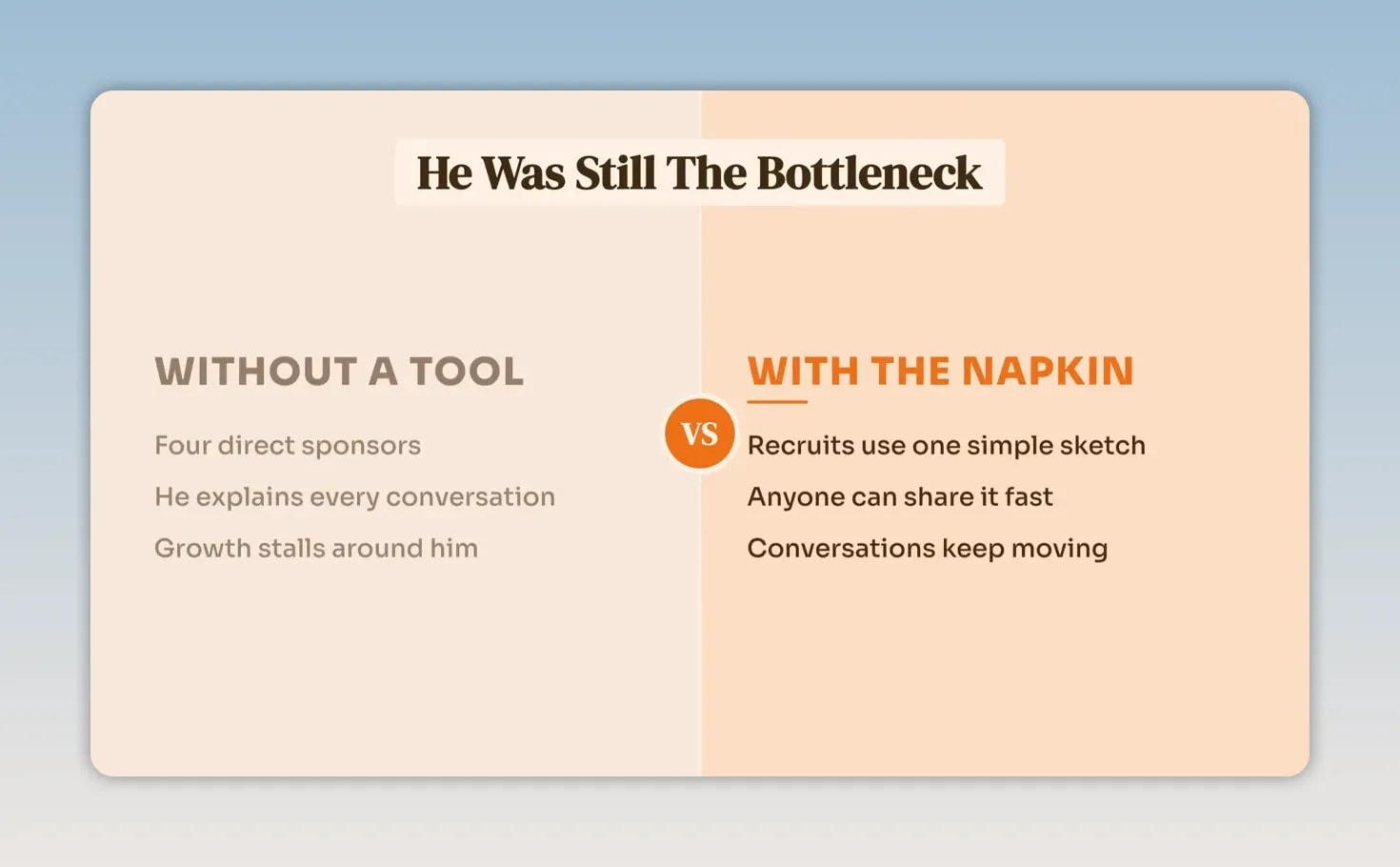
That is the turning point: the problem was not the business itself. The problem was that he had become the business.
His answer was the 45-second napkin presentation, a simple sketch that could communicate the basic idea in less than a minute. No slides. No complicated app. No polished sales performance. Just a few lines on paper that someone else could repeat.
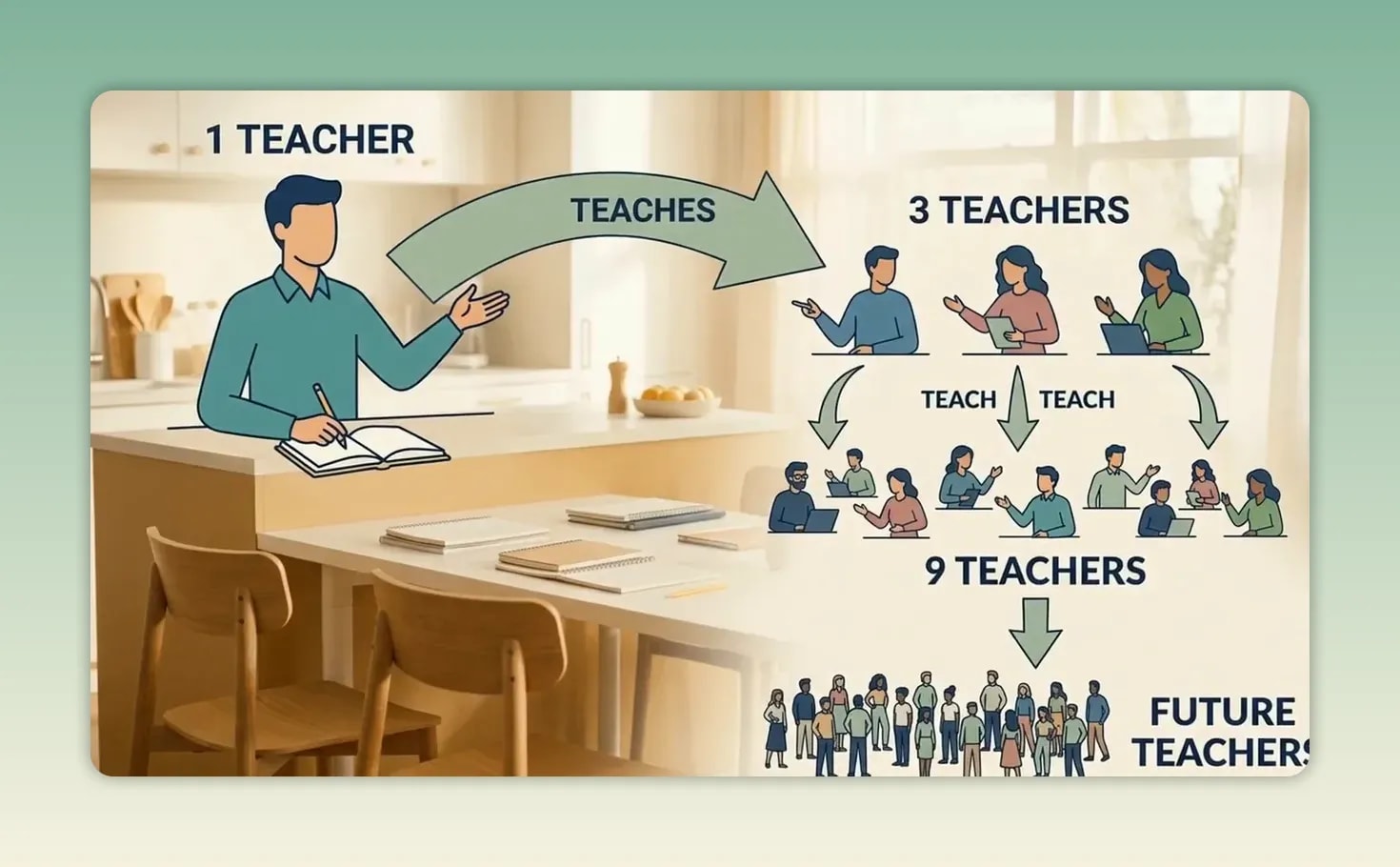
The point was never the napkin itself. The point was transferability. The tool had to be simple enough for one person to use, then teach to the next person, who could teach it again.
The Salesman Failure Syndrome
Great recruiters can often create the weakest duplication systems. They recruit hundreds personally because they are skilled, persuasive, and comfortable presenting. But their teams struggle because nobody can copy what the star recruiter does.
Failla called this the salesman failure syndrome. The leader performs, the team observes, and the organisation never becomes independent.
A duplicating business asks a different question:
Can the newest person explain the basic system to someone else without needing me on the call?
If the answer is no, simplify the system until it becomes a yes.
Build Down Before You Build Wide
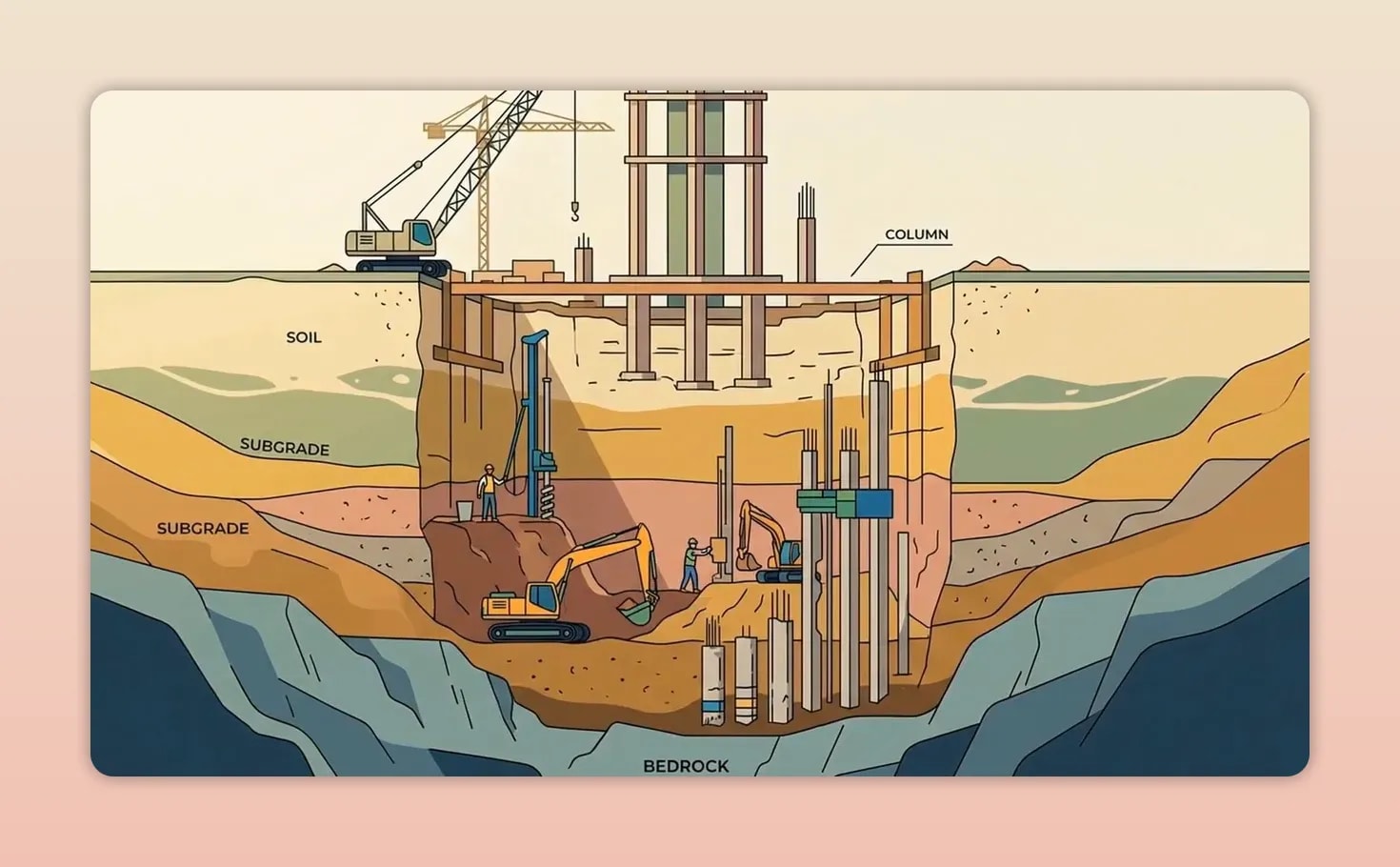
One of Failla’s most useful drawings is called Digging Down to Bedrock. It compares building a network marketing organisation to constructing a skyscraper.
You do not begin with the penthouse. You start by digging a deep, solid foundation.
In practical terms, depth means this:
- You help your new person find their first person.
- You help that first person find their first person.
- You continue working down the line until the foundation can hold itself.
This can feel slower at first because the early work is not all about your personal recruiting numbers. But the strength of a business is not measured by how many names sit on your first level. It is measured by how far the simple system travels after you stop talking.
When people several levels deep are taking action, those above them become more invested. They have something real to protect because the structure beneath them is beginning to grow.
Stop Teaching, Start Tooling
Knowing about a simple presentation is not enough. The handoff is where most teams lose momentum.
People discover the napkin concept, get excited, and then spend an hour explaining how the napkin works. That completely defeats the purpose. The tool is supposed to do the teaching.
The 24-Hour Rule
When someone joins your team, you have about one day to turn their excitement into action. Do not send them a huge training folder. Do not make them wait for a long onboarding call.
Give them the simple presentation and ask them to show it to one person before the day ends.
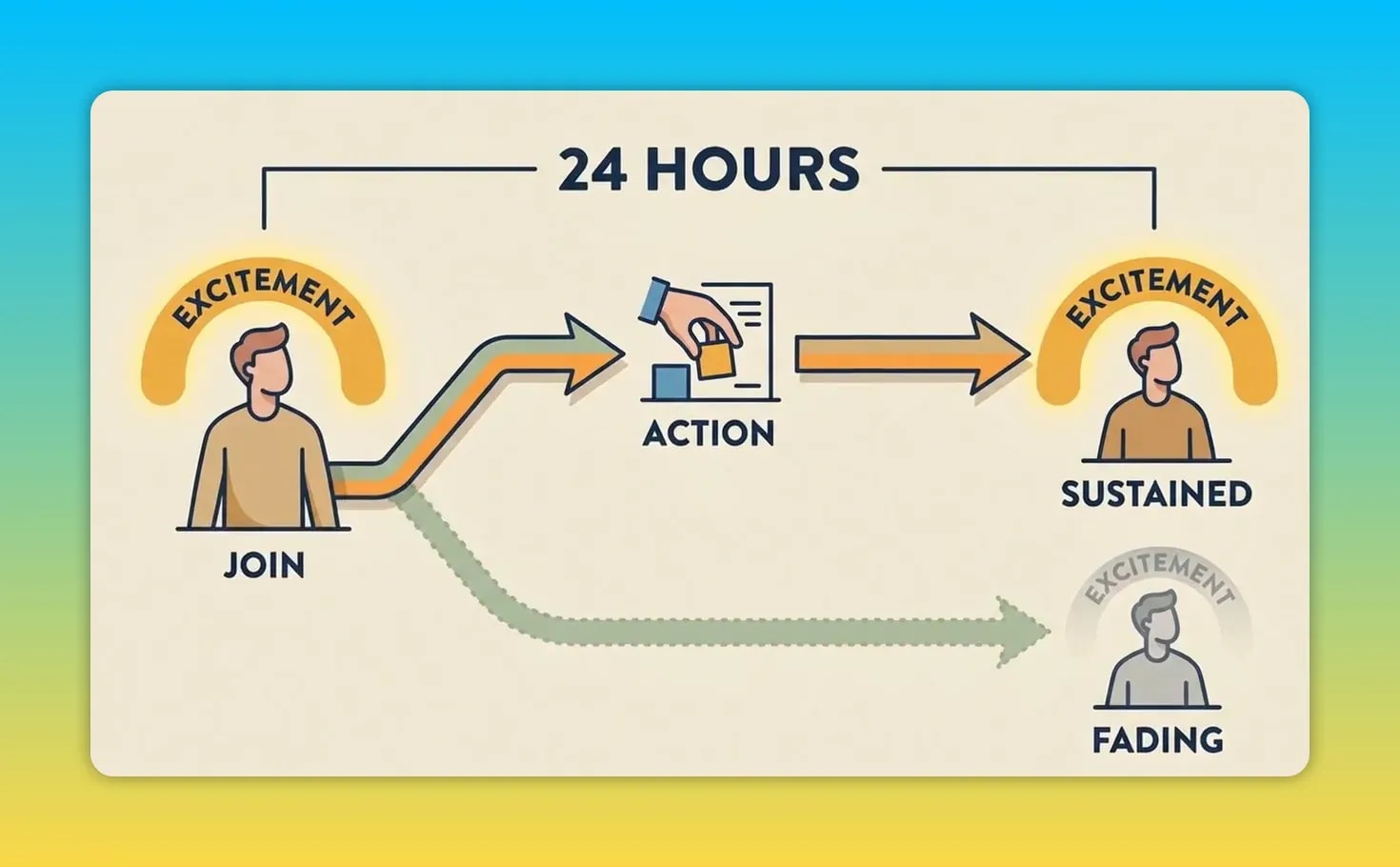
One person in 24 hours is enough. It creates a small win, proves that the system is usable, and starts the habit of sharing before fear and overthinking take over.
Failla reduced the model to four essentials:
- Join
- Use the product
- Find your first person
- Help that person do the same three things
There is no secret fifth step. There is no advanced certification someone must complete before they are allowed to act. If the process has seven steps, cut it down. If the presentation takes 20 minutes, cut it down. If people have to study before they can begin, reverse the order and let them act first.
Do You Want to Learn How To Earn an Additional Income?
Start Owning Your Life
Find Your Gold Ships and Build Three Levels Deep
Not everyone on a team is ready to run. That is normal. Failla described this with another drawing called Ships at Sea.
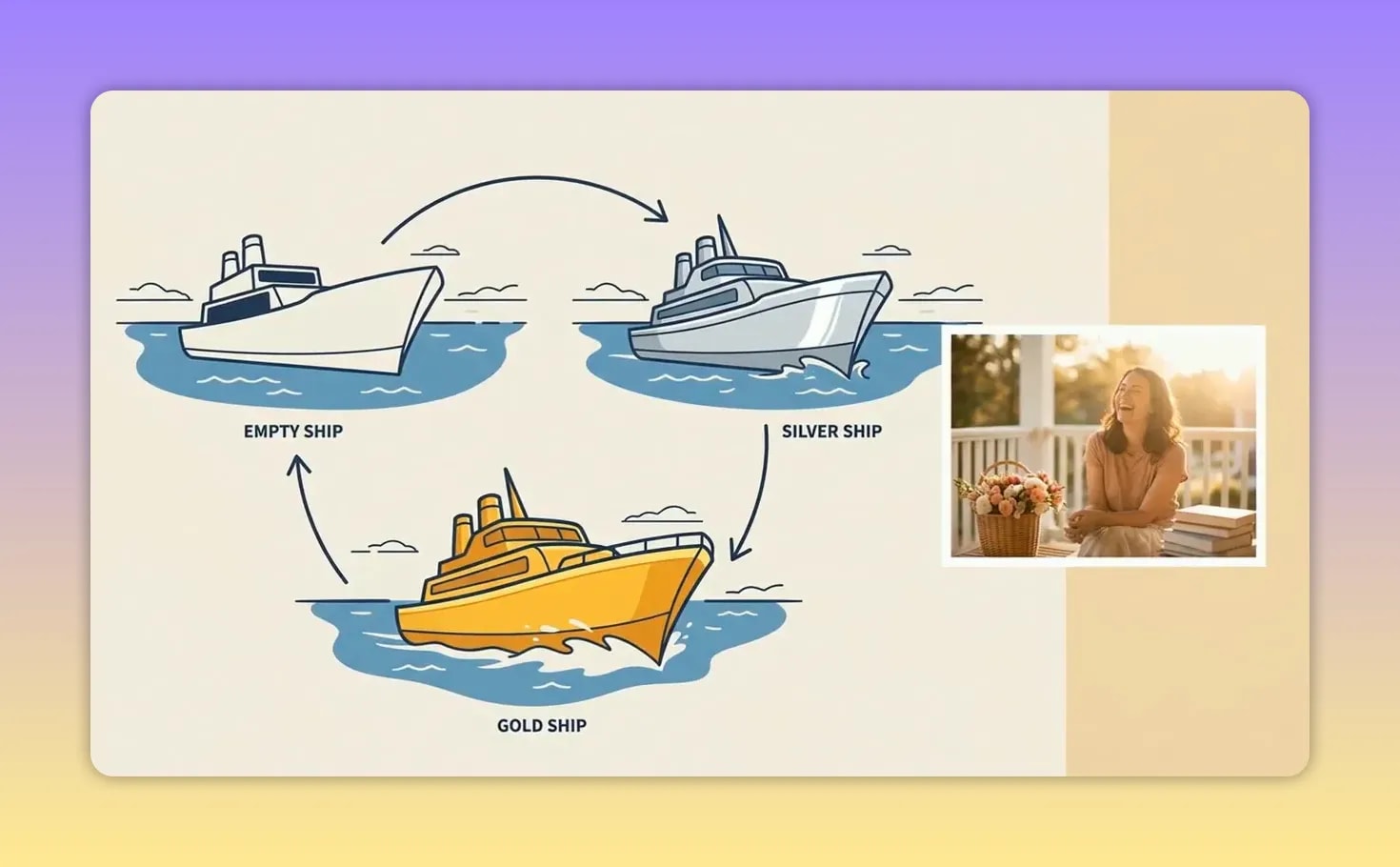
- Empty ships are not going to take action.
- Silver ships may move when timing and circumstances improve.
- Gold ships are coachable, hungry, and ready to move.
The mistake is spending equal time on everybody. A sustainable leader looks for the few gold ships, then helps those people build three levels deep.
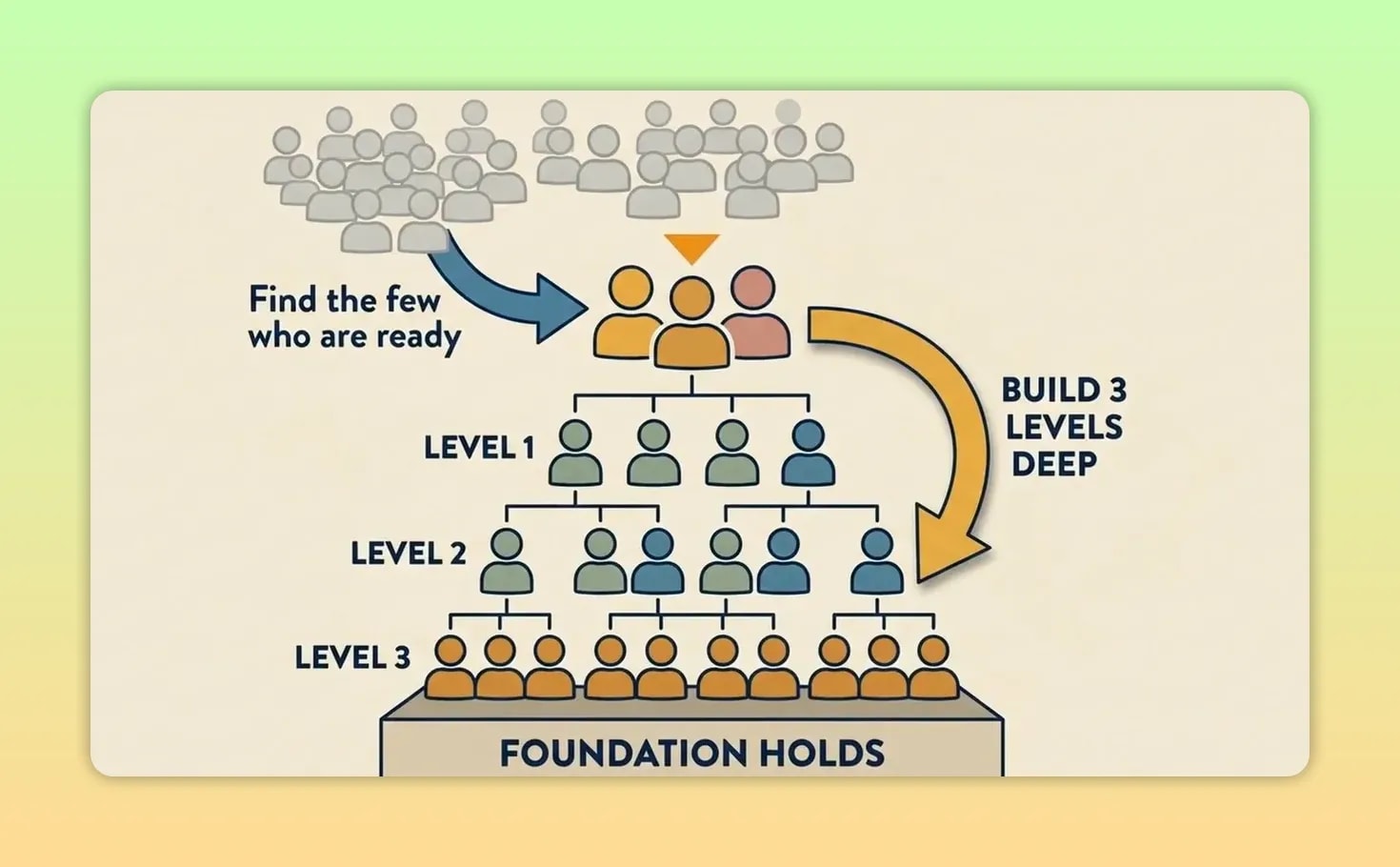
This is not about writing people off. It is about using your time wisely. You can keep the door open for silver ships without allowing indecision to consume the attention that active, coachable people need.
Keep the process simple enough that an eight-year-old could understand the next move. Anyone can complicate network marketing. The real skill is stripping away everything that prevents a busy parent, teacher, or coach from taking action.
You do not need to become a full-time trainer. You do not need weekly meetings that nobody attends. Hand people a clear tool, point them to the next action, support the people who are moving, and get back to living your life.
The Math of Multiplication
Duplication is not about personally recruiting hundreds of people. It is about many people doing a little bit, consistently, without burning out.
If two people each find two people, there are four. If those four each find two people, there are eight. The power does not come from one heroic recruiter. It comes from a simple process moving through many ordinary people.
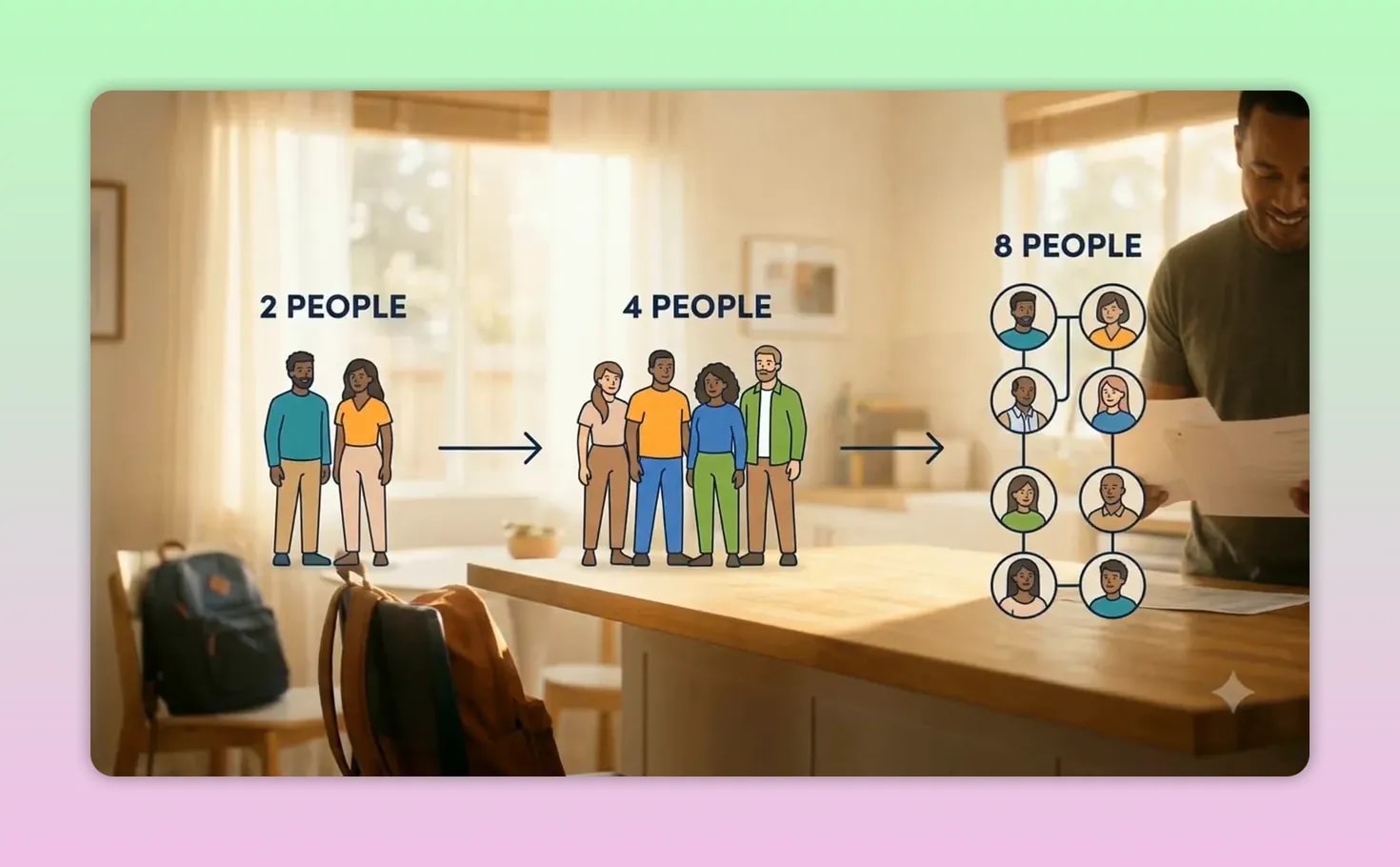
Failla’s Pentagon of Growth highlights why depth matters more than width. By level four or five, the number of people can exceed the combined size of the first three levels. Your meaningful volume is often hiding in the basement, not on the rooftop.
That is exponential growth. But it only works when every person can repeat the process without calling you for help.
Without a simple tool, you have a pile of dead leads and a folder of training videos nobody finishes. With a simple tool, you have a chain reaction:
- One person shares the tool.
- The next person understands it quickly.
- That person can share it again.
- The process continues while you are at a school event, with your family, or finishing your workday.
That is how you stop being the centre of every conversation and start building a system that can operate without you.
Your Simple Duplication Homework
Duplication is not about becoming a better teacher. It is about becoming a better tool giver.
Today, sketch one simple napkin presentation and time yourself. If it takes longer than 60 seconds, it is too complicated. Keep refining it until a busy mum can understand it and teach it before dinner.
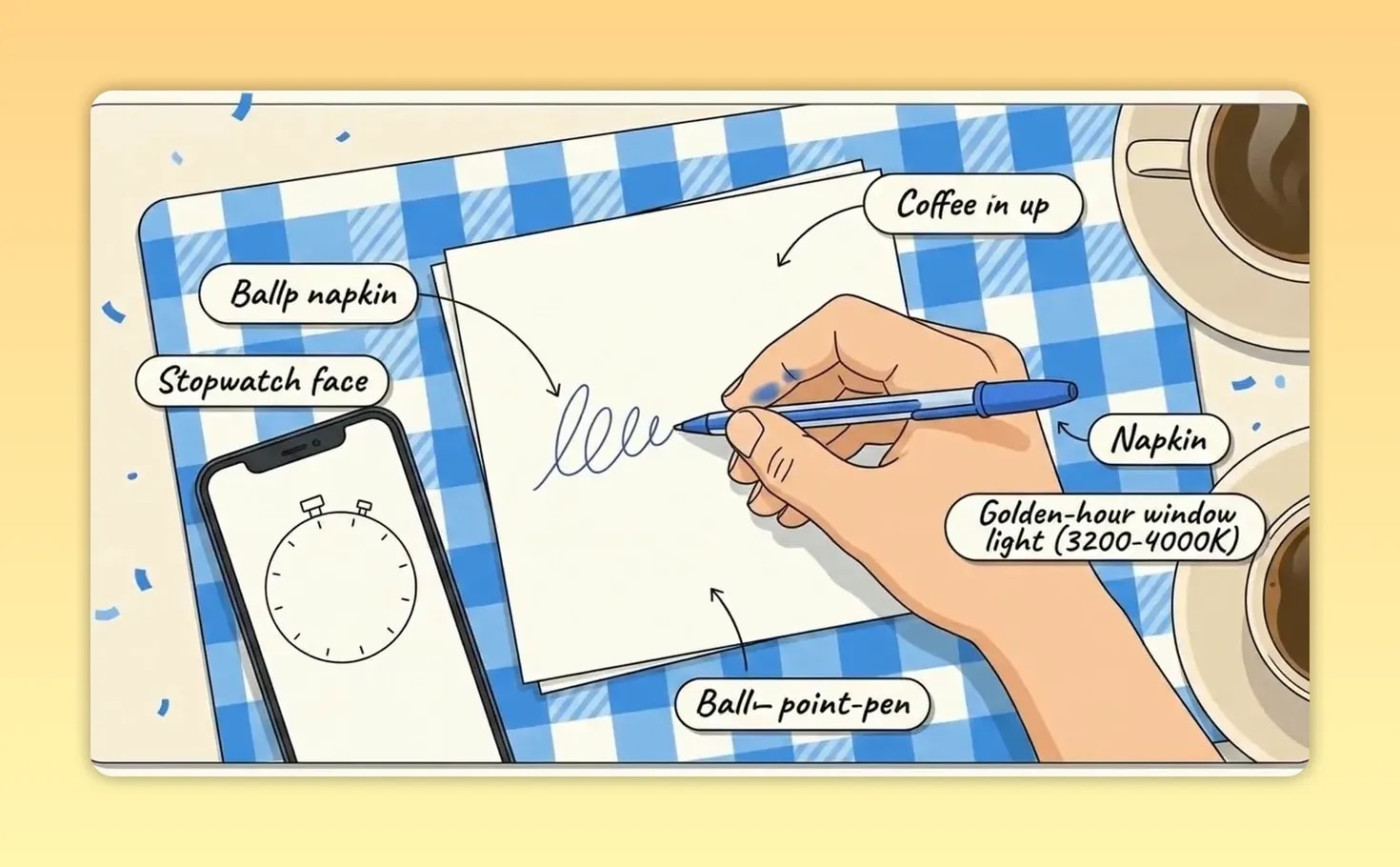
Your presentation does not need to answer every possible question. It needs to create enough clarity for the next action. The tool does the talking, the new person gets to move quickly, and the business no longer depends on you carrying every conversation.
Keep explaining everything yourself, and you stay the bottleneck. Hand people a tool they can use, and you give them a real chance to duplicate, build depth, and own more of their life.
Network marketing results vary and are not guaranteed. Building any business requires effort, consistency, sound judgement, and compliance with applicable company policies and regulations.

Ready to Unlock Your Ultimate Potential—and an Additional Income?
Sign up today to instantly receive the first four chapters of our Biohack Your Life™ to “Own Your Life” ebook for free!
True biohacking isn’t just about optimizing your body and mind; it’s about claiming total autonomy over your time and your finances. If you're ready to boost your daily energy, sharpen your focus, and discover how to build an additional income, it’s time to take control.